
Black Cohosh Medication Safety Checker
This tool helps you determine if your current medications increase your risk of liver damage when taking black cohosh. Based on research from the FDA, NIH, and medical literature, it identifies dangerous combinations that may lead to liver injury.
- Dark urine
- Yellowing of skin or eyes (jaundice)
- Unexplained fatigue
- Abdominal pain
- Nausea or vomiting
Thousands of women turn to black cohosh every year to ease hot flashes, night sweats, and mood swings during menopause. It’s marketed as a natural alternative to hormone therapy, and many swear by it. But behind the soothing claims lies a quiet but serious risk: liver damage. And it doesn’t just happen to people taking too much - even those using it exactly as directed can be affected, especially when they’re also on other medications.
What Is Black Cohosh, Really?
Black cohosh is a plant native to North America. Its roots and rhizomes have been used for over 200 years, first by Indigenous communities and later by doctors in the 1800s. Today, it’s sold as capsules, tablets, or liquid extracts under brand names like Remifemin. Most products contain 20-40 mg of standardized extract taken twice daily. The active compounds - triterpene glycosides like actein and cimicifugoside - are thought to influence neurotransmitters and hormone pathways, not estrogen itself. That’s why it’s been promoted as safe for women with a history of breast cancer, unlike traditional hormone therapy. But here’s the catch: black cohosh isn’t regulated like a drug. In the U.S., it’s classified as a dietary supplement under DSHEA (1994), meaning the FDA doesn’t test it for safety or purity before it hits shelves. That’s a problem because some products don’t even contain real black cohosh. A 2021 study found nearly 1 in 5 supplements labeled as black cohosh had other plants mixed in - or worse, no black cohosh at all.The Liver Risk: It’s Real and Often Silent
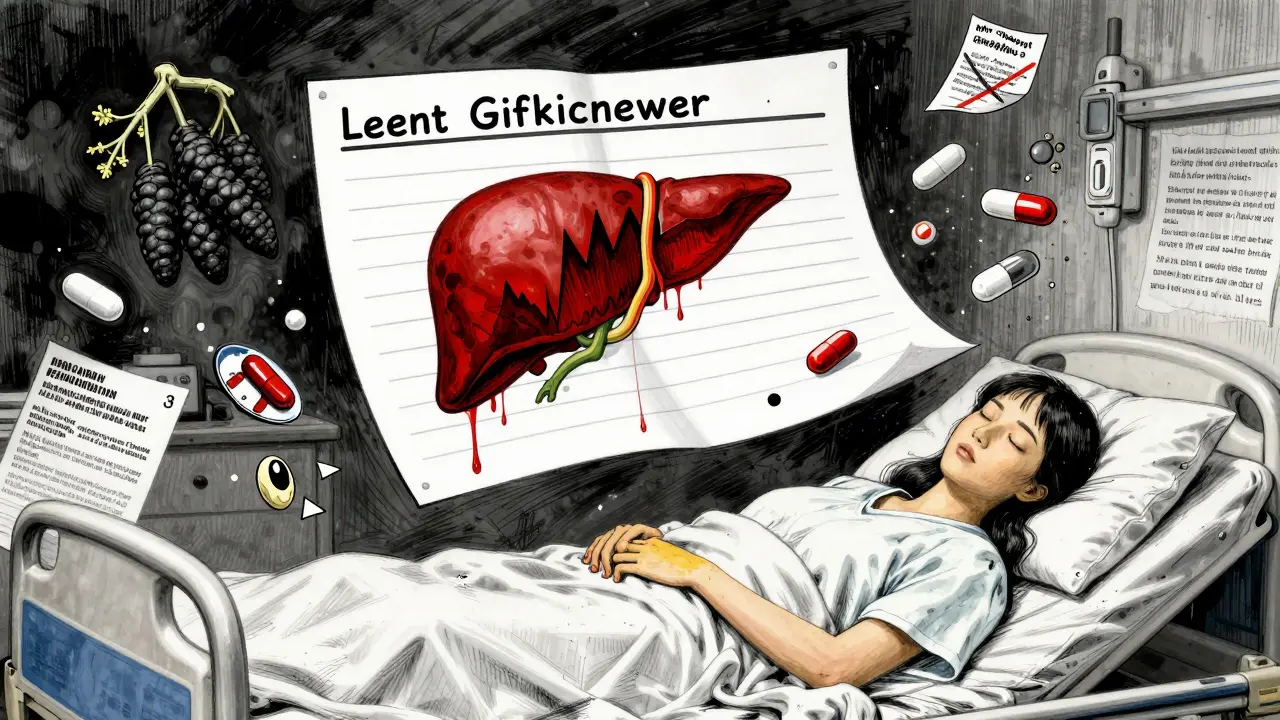
Since 2003, over 50 cases of liver injury linked to black cohosh have been documented in medical journals. These aren’t rare outliers. The LiverTox database from the National Institutes of Health lists them as confirmed. The injury patterns vary: some people develop hepatocellular damage (liver cell death), others cholestatic injury (blocked bile flow), and in rare cases, autoimmune hepatitis. Symptoms? They don’t show up right away. Most people feel fine for 2 to 6 months before things go wrong. Common warning signs include:- Dark urine
- Yellowing of the skin or eyes (jaundice)
- Unexplained fatigue
- Abdominal pain, especially on the right side
- Nausea or vomiting
How Medications Make Things Worse
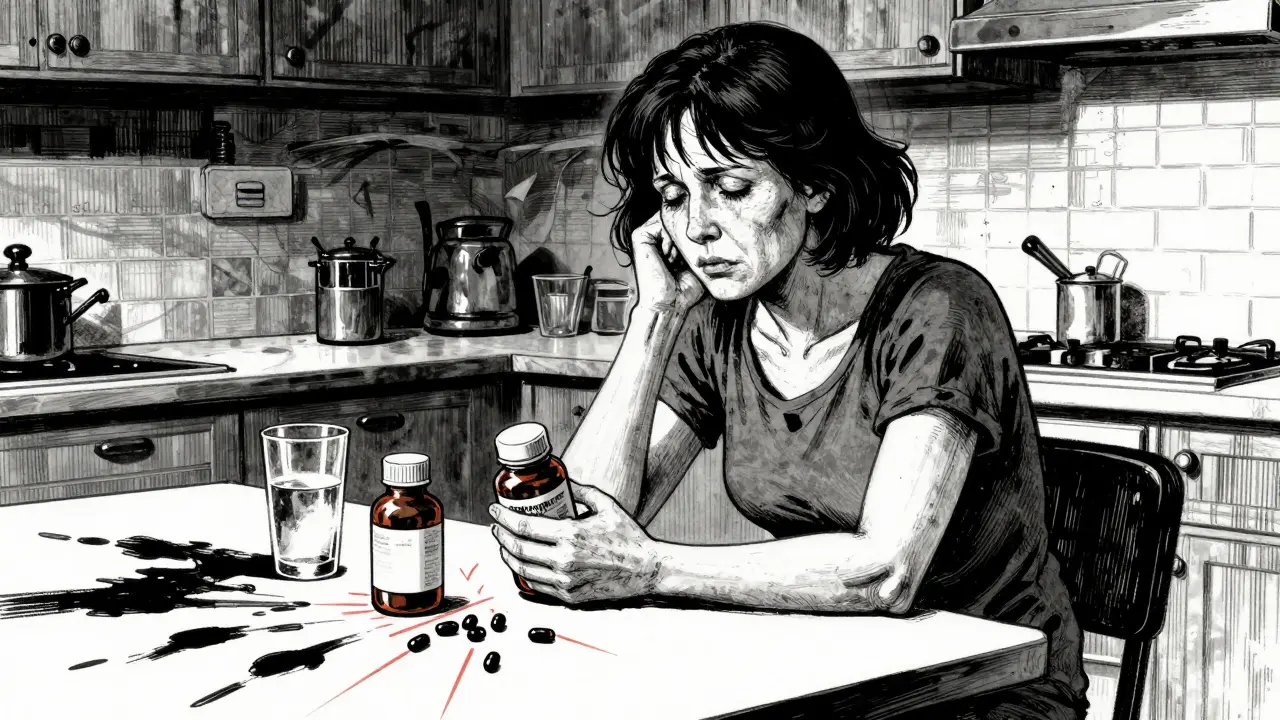
The real danger isn’t just black cohosh alone. It’s what happens when it meets other drugs. Black cohosh is broken down in the liver by enzymes called CYP3A4 and CYP2D6. If you’re taking something that blocks or overloads those enzymes, your body can’t process it properly. That leads to buildup - and toxicity. Here are the medications that raise your risk when taken with black cohosh:- Acetaminophen (Tylenol): Even at normal doses, combining it with black cohosh increases liver stress. This combo has been linked to multiple cases of acute liver failure.
- Statins (like atorvastatin or simvastatin): Used to lower cholesterol, these already carry a small risk of liver enzyme spikes. Add black cohosh, and the risk jumps.
- Methotrexate: Used for autoimmune diseases and some cancers, this drug is hard on the liver. Mixing it with black cohosh is dangerous.
- Antibiotics like clarithromycin: These inhibit CYP3A4, causing black cohosh to accumulate. Studies show this combo triples the risk of liver injury.
- Antidepressants (SSRIs): Some, like fluoxetine, affect CYP2D6. While not as strongly linked as other drugs, caution is still advised.
Who Should Avoid Black Cohosh Entirely?
Not everyone is at equal risk. Some people are far more vulnerable:- People with existing liver disease - hepatitis, fatty liver, cirrhosis. The American College of Obstetricians and Gynecologists (ACOG) now explicitly advises against use in these patients.
- Those taking multiple medications - especially liver-metabolized ones. If you’re on more than two prescription drugs, skip it.
- People with a history of alcohol abuse - even moderate drinking increases liver stress.
- Women over 60 - liver function naturally declines with age, making detox harder.
- Anyone with unexplained fatigue or abdominal pain - don’t assume it’s just menopause.
What About the ‘Liver-Safe’ Versions?
You’ve probably seen ads for “new and improved” black cohosh formulas - Gaia Herbs, Nature’s Way, and others claim they’ve removed the harmful compounds. They say their extraction methods are safer. But here’s the truth: there’s no clinical proof. In June 2023, the American Gastroenterological Association issued a clear statement: “There is no evidence that modified black cohosh products are safer.” The liver injury cases keep coming, even with these new brands. The active ingredients that might cause harm are still present - they’re just in different ratios. Until independent, long-term studies prove otherwise, treat all versions the same.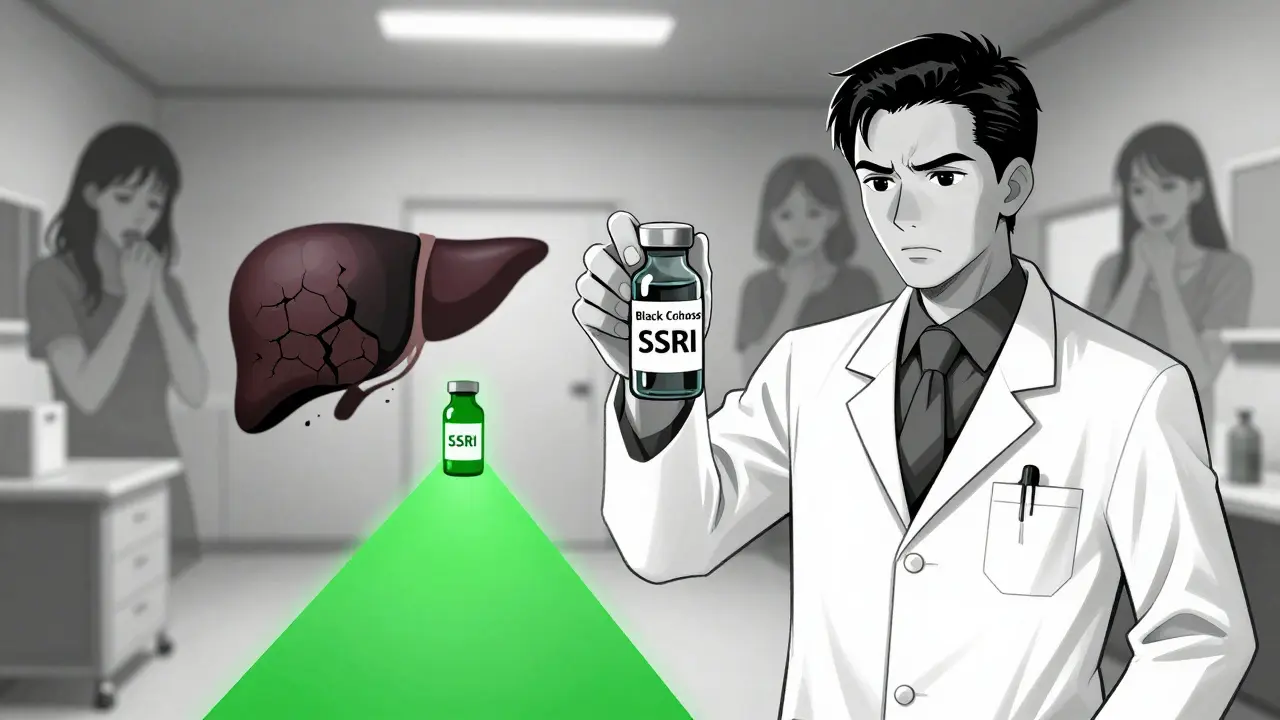
What Should You Do Instead?
If you’re using black cohosh for menopause symptoms, you’re not alone. But there are safer, better-studied options:- SSRIs like paroxetine or escitalopram: These are FDA-approved for hot flashes. Studies show they reduce frequency by 50-60% - similar to black cohosh - with far fewer liver risks.
- Clonidine: A blood pressure drug that also helps with night sweats. Works for about half of users.
- Gabapentin: Originally for seizures and nerve pain, it’s now commonly prescribed off-label for hot flashes.
- Lifestyle changes: Regular exercise, cooling techniques, avoiding caffeine and alcohol, and practicing mindfulness can reduce symptoms by 30-40%.
How to Protect Yourself (If You Still Use It)
If you’ve been taking black cohosh and want to continue, here’s how to minimize risk:- Get a baseline liver test - ask your doctor for ALT, AST, bilirubin, and alkaline phosphatase before starting.
- Test again at 8 and 16 weeks - most injuries show up within 3 months.
- Stop immediately if you notice symptoms - don’t wait. Even mild fatigue or dark urine could be early signs.
- Never combine it with acetaminophen, statins, or antibiotics - check every new prescription.
- Limit use to 6 months max - the American Herbal Pharmacopoeia recommends this, but only 22% of doctors even ask about herbal use.
Why This Matters Now
The supplement industry is booming. In 2023, black cohosh sales hit $127 million in the U.S. But sales have been falling 4.7% a year since 2018. Why? Because people are starting to wake up. More doctors are asking about supplements. More patients are sharing their stories - like the Reddit user who found his ALT was 485 after three months of use, or the woman who ended up in the ER with jaundice. The science is clear: black cohosh can harm the liver. And when mixed with common medications, the risk multiplies. It’s not a matter of “maybe” or “probably.” It’s a matter of “when,” not “if,” for some people. You don’t need to give up on natural relief. But you do need to be smarter about it. Your liver doesn’t have a voice - but your health does. Listen to it.Can black cohosh cause liver damage even if I take it as directed?
Yes. Liver injury from black cohosh isn’t always about overdose. Many cases occur in people taking the standard dose of 20-40 mg twice daily. The risk appears to be unpredictable - some people are more sensitive due to genetics, existing liver conditions, or interactions with other medications. Over 50 documented cases of liver injury have been reported in medical literature, even in people following label instructions.
Is it safe to take black cohosh with acetaminophen?
No. Combining black cohosh with acetaminophen (Tylenol) significantly increases the risk of acute liver failure. Even when both are taken within recommended doses, this combination has triggered multiple cases requiring hospitalization and liver transplants. The two substances stress the liver through different pathways, and together they can overwhelm its ability to detoxify. Avoid this mix completely.
What are the warning signs of liver damage from black cohosh?
Early signs include dark urine, yellowing of the skin or eyes (jaundice), extreme fatigue, nausea, vomiting, and pain in the upper right abdomen. These symptoms often appear after 2-6 months of use. Many people mistake them for normal menopause symptoms, which delays diagnosis. If you experience any of these while taking black cohosh, stop immediately and get a liver function test.
Are there safer alternatives to black cohosh for menopause symptoms?
Yes. FDA-approved options like low-dose SSRIs (e.g., paroxetine, escitalopram) reduce hot flashes by 50-60% with minimal liver risk. Non-hormonal options like gabapentin and clonidine are also effective. Lifestyle changes - regular exercise, avoiding triggers like caffeine and alcohol, and practicing mindfulness - can reduce symptoms by 30-40%. These alternatives have far more evidence and safety data than black cohosh.
Should I get my liver tested if I’m taking black cohosh?
Yes, if you plan to use it for more than a few weeks. The Mayo Clinic and American Herbal Pharmacopoeia recommend baseline liver function tests (ALT, AST, bilirubin) before starting and follow-up tests at 8 and 16 weeks. Only 22% of doctors routinely do this, so don’t wait for your provider to bring it up. Ask for it. Early detection can prevent serious damage.
Are ‘liver-safe’ black cohosh products really safer?
No. Brands like Gaia Herbs and Nature’s Way claim their extraction methods remove harmful compounds, but there is no clinical evidence to support this. The American Gastroenterological Association explicitly stated in 2023 that no modified formulation has been proven safer. All black cohosh products contain the same active compounds linked to liver injury. Treat them all with caution.
Sophia Daniels
December 26, 2025 AT 20:37Okay, but let’s be real - if you’re popping black cohosh like it’s M&Ms while on Tylenol and statins, you’re basically playing Russian roulette with your liver. I’ve seen patients come in with ALT levels higher than my Netflix binge count. And no, ‘natural’ doesn’t mean ‘safe.’ It just means the FDA didn’t get to it first. 💀
Nikki Brown
December 28, 2025 AT 06:59You people are disgusting. You think because something comes from a plant, it’s harmless? That’s not science - that’s superstition wrapped in yoga pants. If your liver fails because you trusted a supplement labeled ‘pure’ by some guy in a van in Oregon, don’t come crying to me. 🙄
Peter sullen
December 28, 2025 AT 09:43It is imperative to underscore, with the utmost clinical precision, that the hepatic metabolism of black cohosh is primarily mediated via the cytochrome P450 isoforms - specifically CYP3A4 and CYP2D6 - and concomitant administration of pharmacologic agents that either inhibit or induce these enzymes may precipitate hepatocellular toxicity, even at therapeutic dosages. Therefore, a comprehensive medication reconciliation is not merely advisable - it is mandatory.
Brittany Fuhs
December 29, 2025 AT 01:47so like... if you're taking this stuff and you're over 60 and on blood pressure meds? you're basically asking your liver to do a marathon while it's got a broken ankle. and then you wonder why you're tired all the time? lol. nope. not on my watch.
Fabio Raphael
December 30, 2025 AT 05:41I appreciate how thorough this is. I’ve been using it for 8 months for hot flashes - never thought about liver tests. I’m going to ask my doctor for a panel this week. Thanks for the nudge. I didn’t know this could be so sneaky.
Amy Lesleighter (Wales)
December 30, 2025 AT 08:04just stop. your liver doesn't care if it's 'natural'. it just wants to work. if you're tired and yellow and your pee looks like soy sauce - stop. go to the doc. no drama. no supplements. just rest.
Becky Baker
January 1, 2026 AT 03:25my aunt took this for years and never had a problem. so yeah, maybe it's just fearmongering?
Rajni Jain
January 2, 2026 AT 01:46hi, i’m from india and we use herbal stuff all the time - but we also watch for signs. if someone gets yellow eyes or feels weak, we stop it fast. no shame. your body tells you. listen. 🙏
Natasha Sandra
January 3, 2026 AT 18:06OMG I JUST REALIZED I’VE BEEN TAKING THIS WITH TYLENOL 😱 I’M DELETING MY BOTTLE RIGHT NOW. THANK YOU FOR THIS. I’M SO GLAD I READ THIS BEFORE IT WAS TOO LATE. 🙏❤️
Erwin Asilom
January 4, 2026 AT 07:53There is value in the anecdotal experience of individuals who have used black cohosh without adverse effects. However, epidemiological data suggests a non-random pattern of injury associated with specific pharmacological combinations. Therefore, individual outcomes should not be extrapolated to population-level safety.
Sumler Luu
January 6, 2026 AT 03:45I’m not saying don’t use it - but if you’re on more than two meds, just pause. Get bloodwork. Even if your doctor doesn’t ask, ask them. Your liver doesn’t get a say - but you do.
sakshi nagpal
January 7, 2026 AT 04:16This is why we need better regulation of herbal products globally. In some countries, these are treated like medicine. Here? They’re sold like candy. It’s not just about individual responsibility - it’s about systemic failure.
Sandeep Jain
January 8, 2026 AT 02:50my mom took this and got sick. we thought it was the flu. turns out her liver was fried. now she takes paroxetine. feels better. no scary tests. no panic. just peace.