
Medications: Practical guides, side effects, and smarter alternatives
Confused by prescriptions, side effects, or ads for miracle supplements? You’re in the right place. This category collects clear, practical articles that help you decide what to ask your doctor, what to watch for, and when a cheaper or safer alternative makes sense. No hype — just useful facts and steps you can take today.
Here you’ll find easy-to-read pieces on common and tricky meds: which inhalers now have FDA-approved generics, what to know about seizure drugs like phenytoin (Dilantin), natural options that claim to block DHT for hair loss, and which antifungals can replace terbinafine. We also cover antibiotics alternatives, thyroid medication choices, blood pressure options, diabetes drug substitutes, and real tips on getting prescriptions like Lasix online safely.
How to use these articles
Start with your question. Want a cheaper option? Look for articles labeled “alternatives” to see drugs with similar effects, common side effects, and availability. Worried about a side effect? Search posts about that symptom — for instance, see our trazodone sexual side effects article for specific signs and what to discuss with your prescriber.
Always check three things before changing meds: FDA approval or official guidance, drug interactions with what you already take, and whether stopping or switching needs a taper. If an article mentions a study or approval, it points to the real reason a drug is recommended or replaced. Use that as your starting point for a conversation with your clinician or pharmacist.
Popular topics and what they give you
Looking for quick answers? Try these approaches: comparison pieces list pros and cons so you can weigh effectiveness, side effects, and cost. How-to guides explain getting prescriptions online safely and what paperwork or lab tests you might need. Deep-dive articles explain how a medicine works — for example, why budesonide-formoterol matters for asthma or how phenytoin controls seizures.
When you read, look for practical takeaways: dosing tips, monitoring needs, common side effects to expect, and red flags that need urgent care. If a natural remedy is discussed, we say which studies back it and when it simply won’t match prescription drugs. That helps you avoid wasted time and money.
Want a quick action step? Pick one article that matches your immediate concern and read the “what to do next” part first. Take notes, list current meds, and bring that to your next appointment or call with a pharmacist. That makes any medication decision faster and safer.
MedixRX aims to make meds less confusing so you can ask better questions and get better care. Browse the posts, use the practical tips, and talk to a clinician before making changes to prescriptions.

Torsades de Pointes: How to Recognize and Prevent Drug-Induced QT Prolongation
Learn how to recognize and prevent Torsades de Pointes, a life-threatening heart rhythm caused by QT-prolonging medications and electrolyte imbalances.

How to Buy Desyrel Online Legally and Safely
Learn how to legally buy Desyrel (trazodone) online in 2026. Step-by-step guide on telehealth prescriptions, cost comparisons, and safe pharmacy options.
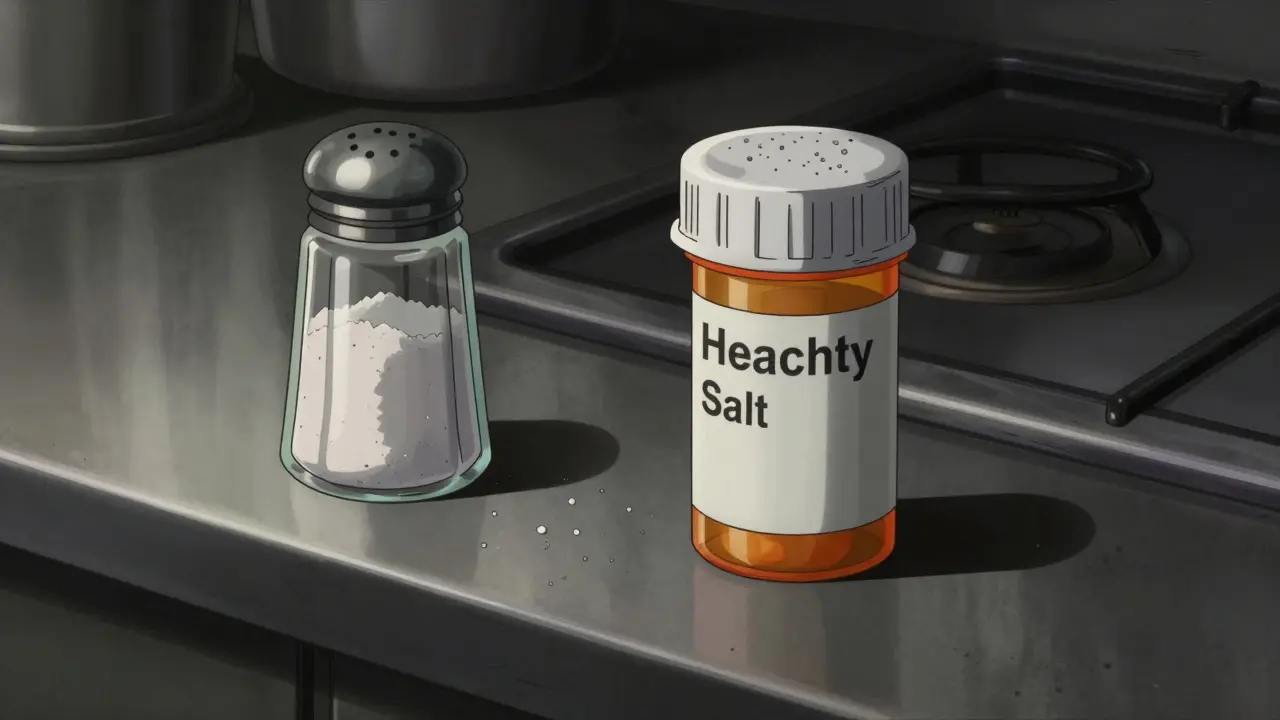
Salt Substitutes and ACE Inhibitors: Avoiding Hidden Potassium Risks
Learn why salt substitutes can be dangerous for people taking ACE inhibitors or ARBs, leading to life-threatening potassium spikes (hyperkalemia).

Inside the FDA Office of Generic Drugs: Roles, Responsibilities, and Structure
Explore the role, structure, and responsibilities of the FDA Office of Generic Drugs (OGD) and how it ensures affordable, safe generic medications via ANDA reviews.

The Truth About Vaccine Generics: Production Hurdles and Global Access
Explore why true generic vaccines don't exist and the massive production and supply chain hurdles that keep life-saving vaccines out of reach for millions.

Understanding Cumulative Anticholinergic Burden When Mixing Antihistamines with Other Medications
Learn how combining antihistamines with other medications creates dangerous cumulative anticholinergic effects that increase dementia risk. Discover symptom recognition, safe alternatives, and reduction strategies supported by 2025 clinical guidelines.

OTC Drug Facts Labels: What to Look For and How to Use Them
Learn how to read OTC Drug Facts labels safely. We explain the required sections, common safety traps, and FDA guidelines for medication management.

Fish Oil and Aspirin: Do They Really Thin Your Blood Too Much?
Fish oil and aspirin both affect blood clotting, but combining them at standard doses doesn't increase bleeding risk. Learn what the science really says about this common supplement interaction.

How to Talk about Stopping or Tapering a Medication Safely
Stopping medication suddenly can be dangerous. Learn how to talk to your provider about tapering safely, what to expect, and how to create a personalized plan that works for you.

Ketamine and Esketamine: Rapid-Acting Options for Treatment-Resistant Depression
Ketamine and esketamine offer rapid relief for treatment-resistant depression. IV ketamine works faster and stronger; esketamine is safer and more convenient. Learn how they compare in efficacy, cost, and access.