
Health and Wellness: Practical Guides, Meds, and Natural Fixes
Small changes in how you use medicines or supplements can make a big difference. On this Health and Wellness page you’ll find straightforward, useful guides about drugs, herbs, and lifestyle choices that affect daily health.
What you'll find here
We cover prescription options like Clomid and Ibrutinib, safety tips for buying medicines online, and alternatives to common drugs such as propranolol. You’ll also find natural supplements like Solomon’s Seal, Ficin, Polypodium Leucotomos, and humic acid explained in plain terms. For each topic we list benefits, common side effects, dosing basics, and whether you should talk to a doctor first.
If you’re trying to understand fertility treatment, read "Clomid Explained" for real uses and dosing tips. If anxiety or heart rate control is your issue, check "Best Propranolol Alternatives" and its companion on OTC or herbal options. Want to protect your vision? “How Smoking Harms Your Eyes” breaks down risks and simple actions to reduce damage. For rare but serious areas like blood clots and genetics, the genetics guide explains what tests and conversations to have with your clinician.
How to use these guides
Start with one clear question: do I need a medication, a lifestyle change, or a supplement? Use our articles to learn what each choice does and what to watch for. For example, read drug articles to find common interactions, and read supplement posts to learn realistic effects and reliable doses. Always match advice with your health history before making changes.
Practical tips you can use right now: keep a simple medication list, check interactions with a pharmacist, and avoid unverified online sellers when buying prescription drugs. If an article suggests a natural remedy like lavender for anxiety, treat it as a supportive option rather than a replacement for prescribed therapy unless your doctor agrees.
We try to make medical info easy to use. Each post includes quick facts, real-life tips, and where to find more trusted sources. You’ll find pieces on telehealth alternatives, safe purchasing of ED drugs like Avana, and comparisons of steroid alternatives. There are also posts on supplements people actually use, like buchu, tylophora, and niacinamide, with notes on safety and likely benefits.
Want a quick example? If a supplement claims to 'boost immune function', look for human studies, not just lab tests. Check the dose used in research and compare it to the label. For prescription medicine, note timing and food interactions — some drugs must be taken with food, others on an empty stomach. Keep notes after trying anything new and report side effects to your prescriber. Small tracking helps you and your doctor decide what works. Stay curious, stay safe.
If you want faster access, use the site search or tags to pick topics like “eye health,” “antidepressants,” or “dietary supplements.” Subscribe to updates if you want new articles when they appear. And remember: these pages are a starting point — use them to ask better questions at your next doctor visit.

Strabismus Surgery Explained: Fixing Eye Misalignment Safely
Strabismus involves misaligned eyes causing double vision or cosmetic concerns. Discover when surgery is needed, the procedure details, success rates, and recovery expectations.

Ginkgo Biloba and Blood Thinner Interactions: What You Need to Know
Ginkgo Biloba may increase bleeding risk when taken with blood thinners like warfarin, aspirin, or clopidogrel. Despite conflicting research, experts advise caution - especially before surgery or if using unregulated supplements.

Measuring Education Effectiveness: Tracking Generic Understanding in Patient Education
Measuring patient education effectiveness isn't about whether they remember instructions-it's about whether they can apply them. Learn how direct, formative, and summative methods track real-world understanding to improve health outcomes.
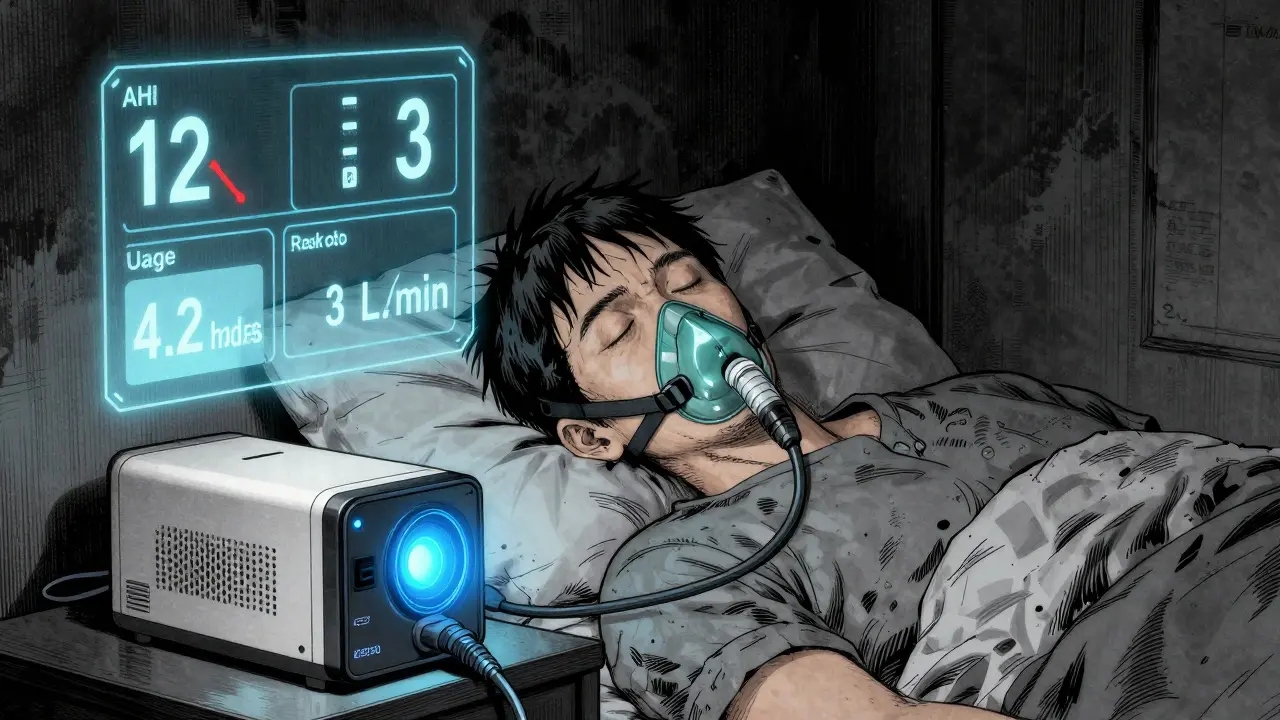
CPAP Machines: Types, Mask Fitting, and Adherence Strategies
CPAP machines are the gold standard for treating sleep apnea, but many users quit because of discomfort or poor mask fit. Learn the different types of machines, how to choose the right mask, and proven strategies to stick with therapy long-term.

Strep Throat: How to Diagnose, Treat with Antibiotics, and Know When You're Recovered
Strep throat is a bacterial infection requiring antibiotics to prevent serious complications. Learn how it's diagnosed, which antibiotics work best, and what to expect during recovery - with updated 2026 guidelines.

Crossing Time Zones with Insulin: Adjusting Doses Safely for Travelers with Diabetes
Crossing time zones with insulin requires careful dose adjustments to avoid dangerous highs or lows. Learn how to safely adjust basal and bolus insulin when flying east or west, with practical tips for pump users, CGM, and travel prep.

Inflammatory Bowel Disease: Crohn’s Disease vs. Ulcerative Colitis
Crohn’s disease and ulcerative colitis are two distinct forms of inflammatory bowel disease with different locations, complications, and treatments. Knowing the difference is key to managing symptoms and planning long-term care.

How to Use Behavioral Tricks to Build a Medication Habit
Learn how to use simple behavioral tricks-like habit stacking, pill organizers, and personalized reminders-to turn medication-taking into an automatic routine. No willpower needed.

How to Report a Medication Error or Concern to Your Provider
Learn how to report a medication error or concern to your provider with clear steps, trusted reporting channels, and real-world examples. Your report can prevent harm to others.

Kyphoplasty vs Vertebroplasty: Understanding Vertebral Fracture Treatments
Kyphoplasty and vertebroplasty are minimally invasive treatments for vertebral fractures caused by osteoporosis or injury. Learn how these procedures work, their key differences, recovery times, and which option suits different cases. Both offer rapid pain relief with same-day discharge.