

Clarinex is a brand-name antihistamine used to treat allergy symptoms like sneezing, runny nose, itchy eyes, and hives. Its active ingredient is desloratadine, a second-generation antihistamine that works differently than older drugs like diphenhydramine. Unlike those older options, Clarinex doesn’t usually make people drowsy, which is why so many users switch to it for daily allergy management.
How Clarinex Actually Works
Your body releases histamine when it thinks it’s under attack - like when pollen, dust, or pet dander gets into your nose. Histamine causes swelling, itching, and mucus production. That’s why your eyes water and your nose runs during allergy season.
Clarinex blocks histamine from binding to receptors in your body. It doesn’t stop histamine from being made, but it stops it from triggering symptoms. This makes it a preventive and relief tool, not just a quick fix. People who take it daily during allergy season often notice fewer flare-ups overall.
Desloratadine, the active ingredient, starts working within an hour and lasts for 24 hours. That’s why most people take just one tablet a day. It’s not meant to be taken only when symptoms hit - it works better when used consistently.
Who Should Take Clarinex
Clarinex is approved for adults and children as young as 12 months old. For kids under 12, it comes in liquid form with precise dosing based on weight. Adults typically take one 5 mg tablet daily.
It’s most helpful for people with:
- Seasonal allergic rhinitis (hay fever)
- Perennial allergic rhinitis (year-round allergies to dust mites, pets, mold)
- Chronic idiopathic urticaria (hives without a clear cause)
It’s not meant for colds, flu, or other viral infections. If your symptoms are caused by something else - like a sinus infection - Clarinex won’t help. It’s specific to allergic reactions.
Clarinex vs. Generic Desloratadine
Clarinex is the brand name. The generic version is called desloratadine. They contain the exact same active ingredient, in the same dose, and work the same way. The only differences are in the inactive ingredients - things like fillers, coatings, or dyes.
Most people won’t notice any difference between the two. The generic version costs about 70% less. For example, a 30-day supply of generic desloratadine might cost $10-$15 at a major pharmacy with a coupon, while Clarinex can run $50-$80 without insurance.
Some people report slight differences in how quickly the pill dissolves or how it tastes (especially the liquid form). But these are minor and don’t affect how well it works. If your insurance covers Clarinex, it’s fine to stick with it. But if you’re paying out of pocket, the generic is just as effective.
Side Effects and Safety
Clarinex is generally well-tolerated. The most common side effects are mild:
- Headache
- Dry mouth
- Fatigue (rare, but possible)
- Sore throat
- Nausea
Unlike older antihistamines, drowsiness is uncommon - occurring in fewer than 5% of users. But it can still happen, especially if you’re sensitive or taking other medications that cause sleepiness.
Don’t take Clarinex if you’re allergic to desloratadine or loratadine (Claritin). If you’ve had a reaction to either, you could react to Clarinex too.
People with kidney disease may need a lower dose. Desloratadine is cleared from the body through the kidneys. If your kidneys aren’t working well, the drug can build up. Talk to your doctor if you have kidney issues - they might recommend taking it every other day instead of daily.
What You Can’t Mix With Clarinex
Clarinex doesn’t have many dangerous interactions, but some combinations can increase side effects:
- Alcohol - can make you more tired or dizzy
- Sedatives - like benzodiazepines or sleep aids - can add to drowsiness
- Other antihistamines - don’t take Clarinex with Zyrtec, Allegra, or Benadryl unless directed by a doctor
- Certain antibiotics - like ketoconazole or erythromycin - can slow how fast your body clears desloratadine
If you’re on other prescriptions, check with your pharmacist before starting Clarinex. They can spot hidden interactions you might miss.
How Long Does It Take to Work?
Some people feel relief within 30 to 60 minutes after taking a dose. But full effects usually show up after 2-3 days of regular use. That’s because it’s designed for ongoing control, not instant relief.
If you’re using it for seasonal allergies, start taking it 1-2 weeks before your symptoms typically begin. For example, if spring pollen hits you hard every March, begin in mid-February. This gives your body time to build up protection before exposure spikes.
Don’t stop taking it just because symptoms improve. Stopping too soon can cause them to come back harder.
Clarinex for Kids
Children as young as 12 months can take Clarinex in liquid form. The dosing is based on weight:
- 12 months to 5 years: 1.25 mg once daily
- 6 to 11 years: 2.5 mg once daily
- 12 years and older: 5 mg once daily
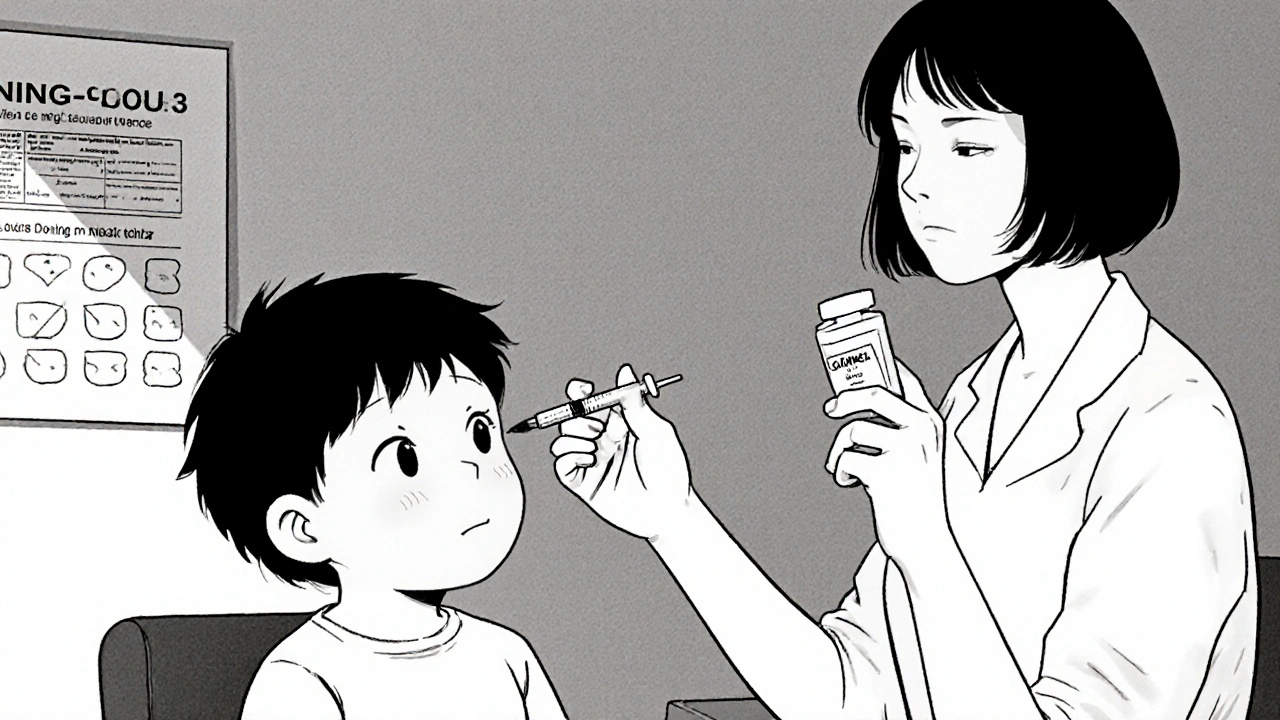
The liquid is flavored and comes with a dosing syringe. Parents should always use the syringe - not a kitchen spoon - to measure the dose. Too much can cause side effects like irritability or trouble sleeping in kids.
Many pediatricians recommend Clarinex over older antihistamines for children because it’s less likely to cause drowsiness or affect school performance.
When Not to Use Clarinex
Clarinex isn’t right for everyone. Avoid it if you:
- Have had a severe allergic reaction to desloratadine or loratadine
- Have severe kidney disease and haven’t adjusted your dose with a doctor
- Are pregnant or breastfeeding without talking to your provider first
- Are under 12 months old (unless specifically directed by a pediatrician)
There’s limited data on Clarinex use during pregnancy. While no major risks have been found, it’s still best to check with your OB-GYN before taking it. For breastfeeding, desloratadine passes into breast milk in small amounts. Most experts consider it low risk, but watch your baby for signs of irritability or sleep changes.
Alternatives to Clarinex
If Clarinex doesn’t work for you, or if cost is an issue, here are other options:
- Loratadine (Claritin) - older sibling to desloratadine, similar effects, cheaper
- Cetirizine (Zyrtec) - slightly more likely to cause drowsiness, but faster acting
- Fexofenadine (Allegra) - no drowsiness, good for people who need to stay alert
- Nasal sprays - like fluticasone (Flonase) or azelastine (Astelin) - work locally in the nose
- Eye drops - for itchy, red eyes alone
Some people combine a nasal spray with Clarinex for better control. If one thing isn’t enough, layering treatments is common and safe - as long as you check with your doctor.
How to Get Clarinex
Clarinex requires a prescription in the U.S. You can’t buy it over the counter. But getting one is easy. Most primary care doctors, allergists, or telehealth services can prescribe it after a quick consultation.
Many pharmacies offer discount programs. GoodRx and SingleCare often have coupons that bring the price down to under $20 for a month’s supply, even without insurance.
If you’re on Medicaid or Medicare Part D, Clarinex is usually covered - but the generic is almost always preferred. Always ask your pharmacist if the generic is available and what your copay will be.
Final Thoughts
Clarinex is a reliable, non-drowsy option for managing allergies. It’s not magic - it won’t cure your allergies - but it can make them manageable. For many people, it’s the difference between staying inside on a sunny day or being able to enjoy it.
Start early, take it consistently, and pair it with other strategies like keeping windows closed during high pollen days or using HEPA filters. That’s how you get the most out of it.
If your symptoms don’t improve after two weeks of daily use, or if they get worse, see your doctor. You might need a different treatment - or you might have something else going on, like sinusitis or asthma.
Is Clarinex the same as Claritin?
No. Claritin contains loratadine. Clarinex contains desloratadine, which is the active metabolite of loratadine. That means your body turns loratadine into desloratadine to work. Clarinex is slightly stronger and may work better for some people, but both are non-drowsy antihistamines.
Can I take Clarinex every day?
Yes. Clarinex is designed for daily use, especially during allergy season or if you have year-round allergies. Taking it every day helps keep histamine levels under control. Long-term use is considered safe for most people.
Does Clarinex cause weight gain?
Weight gain is not a common side effect of Clarinex. Unlike some older antihistamines or corticosteroids, desloratadine doesn’t significantly affect metabolism or appetite. If you notice unexplained weight gain while taking it, look at other factors like diet, activity level, or other medications.
How long does Clarinex stay in your system?
Clarinex has a half-life of about 27 hours in healthy adults. That means it takes about 6 days for the drug to be mostly cleared from your body. This long half-life is why one dose lasts 24 hours and why you don’t need to take it more than once a day.
Can children take Clarinex?
Yes, children as young as 12 months can take Clarinex in liquid form. Dosing is based on age and weight. Always use the provided syringe to measure the dose accurately. It’s often preferred over older antihistamines because it’s less likely to cause drowsiness or behavioral changes in kids.
Evan Brady
November 19, 2025 AT 08:51Clarinex is one of those meds that just works without making you feel like a zombie. I’ve been on it for three years straight during allergy season, and honestly? My productivity at work doubled. No more afternoon naps behind the desk. Just clear sinuses and focus. The key is consistency - start before pollen hits, not after you’re already sneezing into a tissue like a sad clown.
Joshua Casella
November 20, 2025 AT 18:37This is exactly the kind of clear, science-backed breakdown we need more of. Too many people treat antihistamines like candy - pop one when they feel ‘a little sniffly’ and wonder why it doesn’t work. Clarinex isn’t a quick fix. It’s a maintenance tool. Treat it like brushing your teeth - daily, non-negotiable, and boring as hell. But it works.
kim pu
November 21, 2025 AT 18:56Let me guess - Big Pharma paid you to write this. Desloratadine? That’s just loratadine’s evil twin. They’re just trying to make you pay $80 for the same thing you could get for $10. Next thing you know, they’ll sell you ‘Claritin Pro Max’ with a Bluetooth sensor that texts your doctor when you sneeze.
Shravan Jain
November 22, 2025 AT 08:30While the pharmacological mechanism is indeed elegant, one must interrogate the epistemological foundations of pharmaceutical marketing. The commodification of histamine blockade as a lifestyle product reflects a deeper ontological crisis in modern medicine - where symptom suppression is mistaken for healing. The very notion of ‘daily allergy management’ betrays a pathological normalization of environmental degradation. Are we treating allergies… or surrendering to them?
malik recoba
November 22, 2025 AT 23:09My kid’s been on the liquid form since he was 2. No drowsiness, no tantrums after school. Used to be on Zyrtec and he’d zone out like he was in a trance. This stuff? He runs around like a maniac. Just make sure you use the syringe - I once used a teaspoon and he got the double dose. Spent the next 3 hours bouncing off walls. Not recommended.
Dave Pritchard
November 23, 2025 AT 17:08Great summary. I’d just add - if you’re on a budget, generic desloratadine is 100% fine. I switched last year and didn’t notice a difference. The only time I went back to brand was when the generic pill tasted like chalk and I couldn’t swallow it. That’s it. No magic, no secret ingredients. Just chemistry.
Sarbjit Singh
November 25, 2025 AT 02:42From India here - we don’t even have Clarinex. But desloratadine is everywhere. Cheap, effective, no drama. My cousin’s 5-year-old takes it daily during festival season. No sneezing, no red eyes, no missing school. The real win? No one’s falling asleep in class. We call it ‘the silent hero’.
benedict nwokedi
November 25, 2025 AT 18:33They say it’s ‘non-drowsy’… but have you ever noticed how everyone on it acts… detached? Like their emotions are muted? I think they’re slowly stripping away our natural stress responses. First antihistamines, then SSRIs, now they’re gonna give us brain chips that block ‘inconvenient reactions’. Welcome to the future, folks. It’s beige.
Jonathan Gabriel
November 25, 2025 AT 21:06So… if your body turns loratadine into desloratadine… then why not just take loratadine and save $70? Is this like buying a pre-peeled banana when you could peel your own? Also, why does ‘Clarinex’ sound like a villain in a Marvel movie? ‘Behold! The power of desloratadine!’
Bruce Bain
November 26, 2025 AT 08:07My grandma used to take Benadryl for everything. Now she takes this. She says, ‘I can finally watch my soap operas without falling asleep.’ That’s the whole story right there. No jargon needed. Just let people live their lives.
Richard Couron
November 27, 2025 AT 13:52Wait - so you’re telling me the government doesn’t control the pollen count? That’s a lie. They spray it from drones to keep us docile. And this ‘Clarinex’? It’s just a placebo with a fancy label. They want you dependent on pills so you don’t ask why your lungs are on fire every March. Wake up, sheeple.
Alex Boozan
November 28, 2025 AT 06:08From a clinical pharmacology standpoint, the 27-hour half-life is critical. It enables once-daily dosing with minimal CYP450 interference, which is why it’s preferred over cetirizine in polypharmacy patients. The lack of significant P-glycoprotein inhibition reduces drug accumulation risk in renal impairment - but only if dosing is adjusted. Most primary care docs miss this. They just scribble ‘take one daily’ and move on.
Angela J
November 29, 2025 AT 00:39I took this for a month and then my dog started acting weird. Like, he’d stare at me and whine. I swear he knew I was on it. I stopped taking it and he went back to normal. Coincidence? Or did the drug somehow change my aura? I don’t trust it anymore.
deepak kumar
November 30, 2025 AT 13:41One thing no one mentions - Clarinex doesn’t fix your environment. If your house is full of dust mites, mold, or pet dander, no pill will help long-term. I used it for years until I got a HEPA filter and washed bedding weekly. Suddenly, I needed half the dose. Medicine helps, but clean air is the real cure.
Don Angel
December 1, 2025 AT 22:03Just one sentence: I’ve been on generic desloratadine for five years. No issues. No drama. Just quiet relief. Don’t overthink it.