
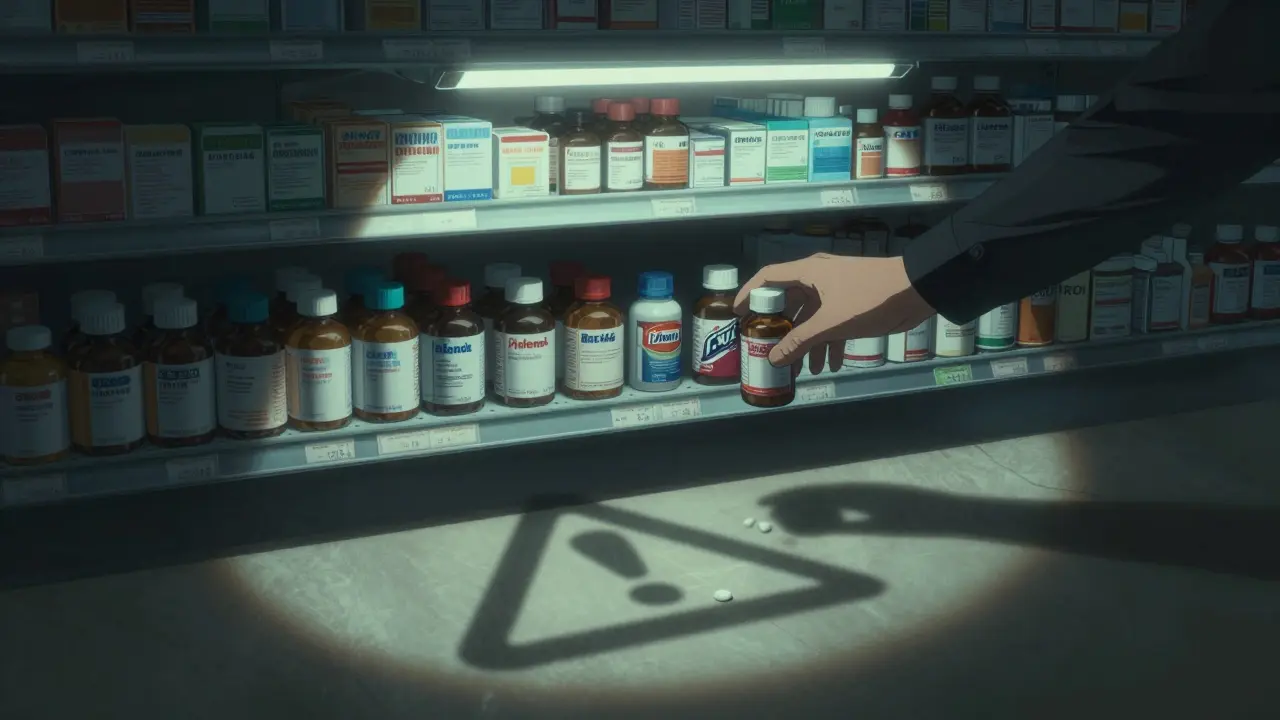
Every year, more than 80% of American adults reach for an over-the-counter (OTC) medication before calling their doctor. Whether it’s a headache, runny nose, or upset stomach, these pills and liquids are right there on the shelf-no prescription needed. But just because you can buy them without a doctor’s signature doesn’t mean they’re harmless. In fact, OTC medications cause more accidental overdoses than illegal drugs in the U.S. each year. The truth? OTC medications are powerful tools, but only if you use them right.
What Are OTC Medications, Really?
OTC medications are drugs approved by the FDA for safe use without a prescription. They’re meant for short-term relief of common, self-diagnosable issues like fever, mild pain, allergies, or heartburn. There are over 100,000 different OTC products on U.S. shelves, made from around 800 active ingredients. That’s a lot of choices-but not all are equal.
These aren’t just candy for your body. They’re chemically active substances that interact with your biology. Take acetaminophen, for example. It’s in more than 600 different products, from Tylenol to cold syrups and even some sleep aids. If you don’t know what you’re taking, you could easily double up and overdose-without even realizing it.
Pain Relievers: Acetaminophen vs. Ibuprofen
When you have a headache or sore muscles, two names come up: acetaminophen and ibuprofen. They both reduce pain and fever, but that’s where the similarity ends.
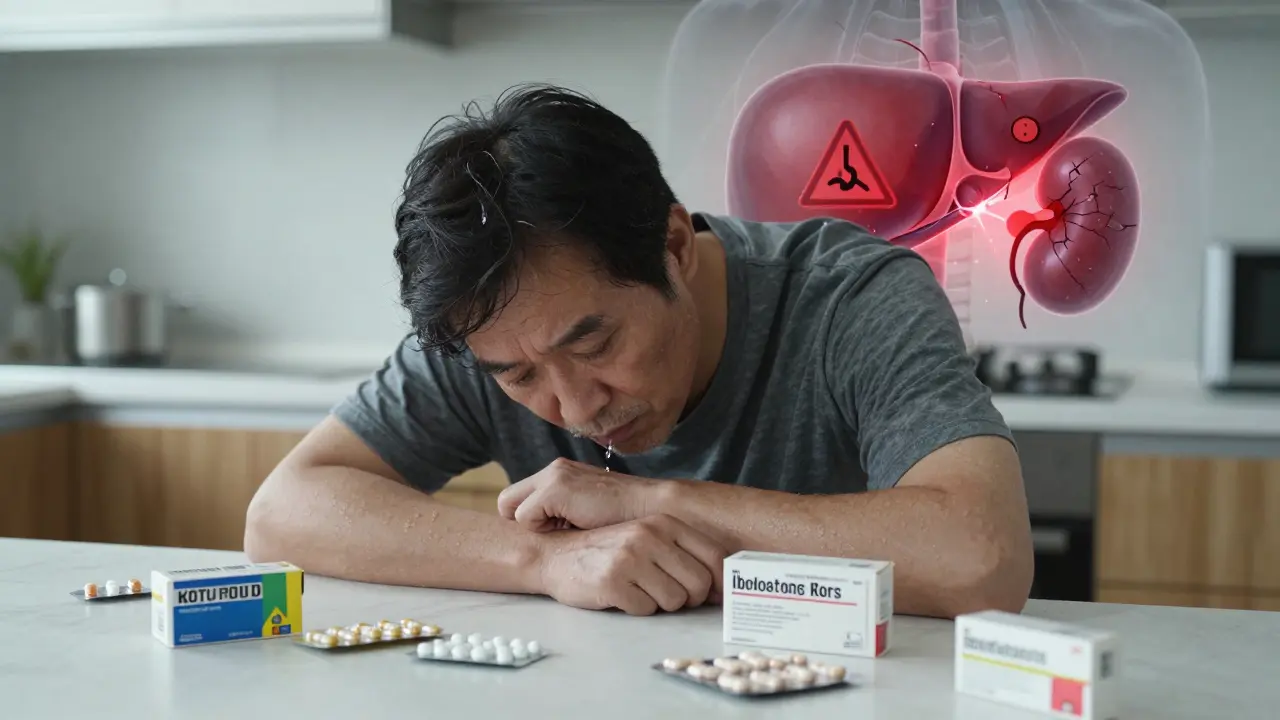
Acetaminophen (Tylenol) works mainly in the brain to block pain signals. It’s gentle on the stomach and safe for kids and pregnant women. But here’s the catch: it’s hard on the liver. The maximum daily dose is 4,000 mg. That’s only eight 500mg tablets. If you’re also taking a cold medicine with acetaminophen, you might hit that limit without knowing it. The FDA estimates 15,000 to 18,000 people end up in the hospital every year from acetaminophen overdose-often because they didn’t realize how much they’d taken.
Ibuprofen (Advil, Motrin) is an NSAID. It reduces inflammation, which makes it better for sprains, arthritis, or menstrual cramps. But it can irritate your stomach lining and raise your risk of bleeding, especially if you’re older or take blood thinners. The max daily dose is 1,200 mg for OTC use. That’s six 200mg pills. Don’t take it for more than 10 days straight without checking with a doctor.
Choosing between them? Use acetaminophen if you have stomach issues, are pregnant, or need something safe for kids. Use ibuprofen if you’re dealing with swelling or inflammation. Never take both together unless your doctor says so.
Cold, Flu, and Allergy Medicines
When your nose runs and your throat itches, you’re faced with a wall of bottles labeled “All-in-One Relief.” But here’s the problem: most of them contain too many ingredients you don’t need.
Dextromethorphan (Delsym) is a cough suppressant. It works on the brain to quiet your cough reflex. But it’s also abused by teens for its hallucinogenic effects at high doses. The FDA has cracked down on this, but it’s still a problem.
Guaifenesin (Mucinex) is an expectorant. It thins mucus so you can cough it up. It’s safe for most people and works best when you drink plenty of water.
Pseudoephedrine (Sudafed) is a nasal decongestant. It shrinks swollen blood vessels in your nose. But it can raise your blood pressure and make you jittery. That’s why it’s kept behind the pharmacy counter-you need to show ID to buy it.
For allergies, you’ve got two choices: old-school and new-school.
Diphenhydramine (Benadryl) is a first-generation antihistamine. It works fast-but it knocks you out. It’s not meant for daily use. In fact, the FDA warns against using it as a sleep aid for anyone over 65. It increases fall risk by 30%.
Loratadine (Claritin) and fexofenadine (Allegra) are second-generation antihistamines. They relieve sneezing and itching without the drowsiness. They’re the smart pick for daily allergy control. Even pilots can fly after taking them-just wait six hours.
Heartburn and Digestive Aids
Heartburn is common. But treating it the same way every time? That’s dangerous.
Antacids like Tums (calcium carbonate) give quick relief by neutralizing stomach acid. They’re fine for occasional use. But if you take them daily for months, you can get too much calcium-or your body might start producing even more acid after the effect wears off.
H2 blockers like famotidine (Pepcid AC) reduce acid production. They work slower than antacids but last longer. Safe for most people, even for a few weeks at a time.
Proton pump inhibitors (PPIs) like omeprazole (Prilosec OTC) are the strongest. They shut down acid production almost completely. But they’re not meant for long-term use. A 2023 JAMA study found that taking PPIs for more than a year increases your risk of chronic kidney disease by 20-50%. If you need them for more than 14 days, talk to your doctor.
And don’t forget loperamide (Imodium). It slows your gut to stop diarrhea. But if you have a fever or bloody stool, don’t take it. That could mean you have an infection that needs to run its course. Also, avoid it if you have kidney problems.
Who Should Be Extra Careful?
OTC meds aren’t one-size-fits-all. Certain groups need to be extra cautious.
Pregnant women: Only acetaminophen is considered safe for pain relief during pregnancy. Avoid NSAIDs after 20 weeks-they can harm the baby’s kidneys. Stay away from decongestants like pseudoephedrine unless your OB says it’s okay.
Seniors over 65: Your body processes drugs slower. Diphenhydramine? Avoid it. It causes confusion and dizziness. Even ibuprofen can hurt your kidneys or raise your blood pressure. Stick to lower doses and shorter durations.
People with chronic conditions: If you have liver disease, don’t take acetaminophen. If you have kidney disease, avoid NSAIDs and loperamide. If you have diabetes, check labels-some liquid cold meds are loaded with sugar.
Children under 4: The FDA banned cough and cold medicines for this age group after more than 100 deaths were linked to overdoses. Use saline drops and a bulb syringe for stuffy noses. For fever or pain, use acetaminophen or ibuprofen-but only if you know the right dose based on weight.

How to Use OTC Medications Safely
Here’s how to avoid the most common mistakes:
- Read the Drug Facts label. Every OTC bottle has one. It tells you the active ingredient, what it’s for, how much to take, and the warnings. If you don’t read it, you’re guessing.
- Don’t mix meds. Many cold, flu, and allergy products contain the same ingredients. Taking two at once can lead to overdose. Always check the active ingredients.
- Know your limits. Acetaminophen: max 4,000 mg/day. Ibuprofen: max 1,200 mg/day. Loperamide: max 8 mg/day. Don’t go over.
- Watch for interactions. OTC meds can interfere with prescription drugs. For example, ibuprofen can make blood pressure meds less effective. Talk to your pharmacist before combining anything.
- Don’t use for chronic problems. If you’re taking OTC meds for more than 10-14 days, your issue might need a doctor’s attention. Chronic headaches? Heartburn that won’t quit? That’s not normal.
- Store properly. Keep meds in a cool, dry place. Not the bathroom-humidity ruins them. Check expiration dates. Old meds lose strength and can become unsafe.
When to Call a Doctor
OTC meds are great for short-term fixes. But they’re not a substitute for medical care. Call your doctor if:
- Pain or fever lasts more than 3 days
- You develop a rash, swelling, or trouble breathing after taking a med
- You have bloody stool, vomiting blood, or severe abdominal pain
- Your symptoms get worse instead of better
- You’re unsure what you’re taking or how much to use
And if you ever think you’ve taken too much-call Poison Control at 1-800-222-1222 right away. Don’t wait for symptoms to show up.
The Bigger Picture
The OTC market is huge-$135 billion globally in 2022. But behind the numbers are real people making real mistakes. A 2023 survey found 42% of Americans can’t tell the difference between acetaminophen and ibuprofen. That’s not ignorance-it’s a system failure. We’re sold convenience without enough education.
Pharmacists are your best resource. 93% of Americans live within 5 miles of a pharmacy. Yet, only 38% ask for help when buying OTC meds. That’s changing. CVS and Walgreens now offer AI-powered tools to check for drug interactions. Some states are letting pharmacists prescribe certain OTC meds directly.
The future of OTC care isn’t just about more products. It’s about smarter use. The FDA’s new Drug Facts label is a step forward. But the real change starts with you. Know what’s in your medicine cabinet. Know why you’re taking it. Know when to stop.
OTC medications aren’t harmless. They’re powerful. Use them with respect-and you’ll stay healthy. Use them carelessly, and you could end up in the ER.
Can I take OTC pain relievers every day?
No. OTC pain relievers like ibuprofen and acetaminophen are meant for short-term use-no more than 10 days in a row without a doctor’s advice. Taking them daily can lead to kidney damage, stomach ulcers, or liver failure. If you need daily pain relief, talk to your doctor about the cause and safer long-term options.
Is it safe to take OTC meds while pregnant?
Acetaminophen is generally considered safe for pain and fever during pregnancy. Avoid NSAIDs like ibuprofen after 20 weeks-they can affect fetal kidney development. Decongestants like pseudoephedrine should only be used if approved by your OB. Always check with your doctor before taking any OTC medication while pregnant.
Why are some OTC meds kept behind the counter?
Some OTC meds, like pseudoephedrine, are kept behind the counter because they can be used to make illegal drugs (like methamphetamine). The law requires you to show ID and sign a logbook to buy them. It’s not because they’re dangerous-it’s because they can be misused.
Can OTC meds cause liver damage?
Yes. Acetaminophen is the most common cause of drug-induced liver failure in the U.S. Taking more than 4,000 mg in a day-even spread out-can damage your liver. This risk goes up if you drink alcohol, have liver disease, or take multiple products that contain acetaminophen. Always check labels and never exceed the daily limit.
What’s the difference between first- and second-generation antihistamines?
First-generation antihistamines like diphenhydramine (Benadryl) cross into the brain and cause drowsiness. Second-generation ones like loratadine (Claritin) and fexofenadine (Allegra) don’t cross the blood-brain barrier as much, so they don’t make you sleepy. Both treat allergies equally well-but second-gen is better for daily use, driving, or working.
Should I give my child OTC cough and cold medicine?
No. The FDA advises against giving OTC cough and cold medicines to children under 4. They don’t work well and can be dangerous. For kids under 12, use acetaminophen or ibuprofen for fever or pain, and use saline drops and a bulb syringe for nasal congestion. Always check the dose based on weight, not age.
How do I know if my OTC medicine has expired?
Look at the expiration date on the package. Most OTC meds are good for 2-3 years from manufacture. After that, they may lose potency. Don’t use them if they’re discolored, crumbly, or smell strange. Expired meds won’t hurt you-but they won’t work as well either.
Michelle M
December 15, 2025 AT 08:39It’s wild how we treat medicine like candy when it’s really more like a scalpel-precise, powerful, and dangerous if misused. I’ve seen friends pop Tylenol like M&Ms because ‘it’s just OTC.’ But that liver? It doesn’t yell until it’s too late. We need more than labels-we need culture change.
Cassie Henriques
December 16, 2025 AT 04:48Acetaminophen’s hepatic metabolism via CYP2E1 is the real silent killer here. Polypharmacy with alcohol or SSRIs? That’s a pharmacokinetic grenade. And let’s not forget glucuronidation saturation at >4g/day. The FDA’s 4g cap is conservative-but most consumers don’t even know what ‘active ingredient’ means on the label. We’re engineering compliance gaps with marketing.
Christina Bischof
December 16, 2025 AT 07:40i just take what i need and stop when i feel better. no big deal. 😌
Jake Sinatra
December 16, 2025 AT 22:32Thank you for this comprehensive breakdown. The distinction between NSAIDs and acetaminophen is not just medical-it’s existential for chronic pain patients. We must stop normalizing self-medication as a lifestyle choice. Education isn’t optional; it’s public health infrastructure.
Melissa Taylor
December 17, 2025 AT 15:31I used to think OTC meant ‘safe for everyone.’ Then my grandma ended up in the ER after mixing Benadryl with her blood pressure med. She didn’t even know it was in the cold syrup. We need pharmacists on every corner-not just behind the counter.
Lisa Davies
December 18, 2025 AT 01:46Love this post! 💪 Seriously, every family should have a ‘med cabinet talk’-like a fire drill but for pills. I made one with my kids: ‘If you didn’t ask Mom or Dad, don’t take it.’ Simple. Effective. Life-saving.
Mike Nordby
December 18, 2025 AT 15:31It's worth noting that the 2023 JAMA study on PPIs and CKD was observational, with residual confounding likely. While the association is concerning, causality remains unproven. Still, prudent use is non-negotiable. The pharmacovigilance infrastructure for OTCs is severely under-resourced.
Sai Nguyen
December 20, 2025 AT 08:09USA is weak. People take pills like water. In India, we know medicine is serious. No OTC for everything. You go to doctor. Simple.
RONALD Randolph
December 20, 2025 AT 10:30Why is pseudoephedrine behind the counter? Because liberals let meth dealers exploit loopholes! We need ID checks, GPS tracking, and mandatory training for cashiers. This isn’t a ‘convenience’ issue-it’s a national security failure!
Raj Kumar
December 21, 2025 AT 20:53bro i just read the label now. never knew benadryl was in so many things. also i use mucinex with water and it works. thanks for the tip 😊
Benjamin Glover
December 23, 2025 AT 13:04How quaint. A 135-billion-dollar industry reduced to a ‘drug facts’ label. The real issue? Regulatory capture. The FDA approves what Big Pharma lets them approve. This is performative safety.
Nupur Vimal
December 24, 2025 AT 02:12everyone thinks they know what they’re taking but half the people dont even know what acetaminophen is called in their cold medicine and then they take two and boom liver gone and then they blame the drug company but its their own fault for being lazy
John Samuel
December 24, 2025 AT 18:39As a former pharmacist, I’ve watched families hand Tylenol to toddlers like candy-then panic when the numbers spike. We sell convenience without context. Imagine if every OTC bottle came with a 90-second video from a pharmacist explaining risks, interactions, and red flags. We could cut ER visits by 40%. The technology exists. The will? Not yet.
John Brown
December 25, 2025 AT 01:55my dad took ibuprofen for 3 weeks straight for his back and ended up with a stomach bleed. he didn’t think it was a big deal ‘cause it was over the counter. now he’s on meds for that. lesson learned the hard way.
Jocelyn Lachapelle
December 25, 2025 AT 23:23you know what’s beautiful? when someone takes a moment to read the label instead of just grabbing the bottle because it looks familiar. that small act of attention? that’s how we heal as a society. one pill at a time 🌱