

GLP-1 Meal Planner
Meal Guidelines
For GLP-1 medications like Ozempic or Wegovy, follow these limits to minimize side effects:
- Calories: 300-400 per meal
- Protein: 25-30g per meal
- Carbs: Under 40g per meal (mostly complex)
- Fat: Under 15g per meal
Meal Analysis
More than 10 million Americans are now taking GLP-1 receptor agonists like Ozempic, Wegovy, or Trulicity - mostly for weight loss or type 2 diabetes. But for nearly half of them, the journey starts with nausea, bloating, or vomiting. These aren’t just mild discomforts. They’re the main reason people quit these powerful drugs before they even see results. The good news? You don’t have to be one of them. With the right meal plan and a smart dosing strategy, most GI side effects can be managed - or even avoided.
Why GLP-1 Medications Cause GI Side Effects
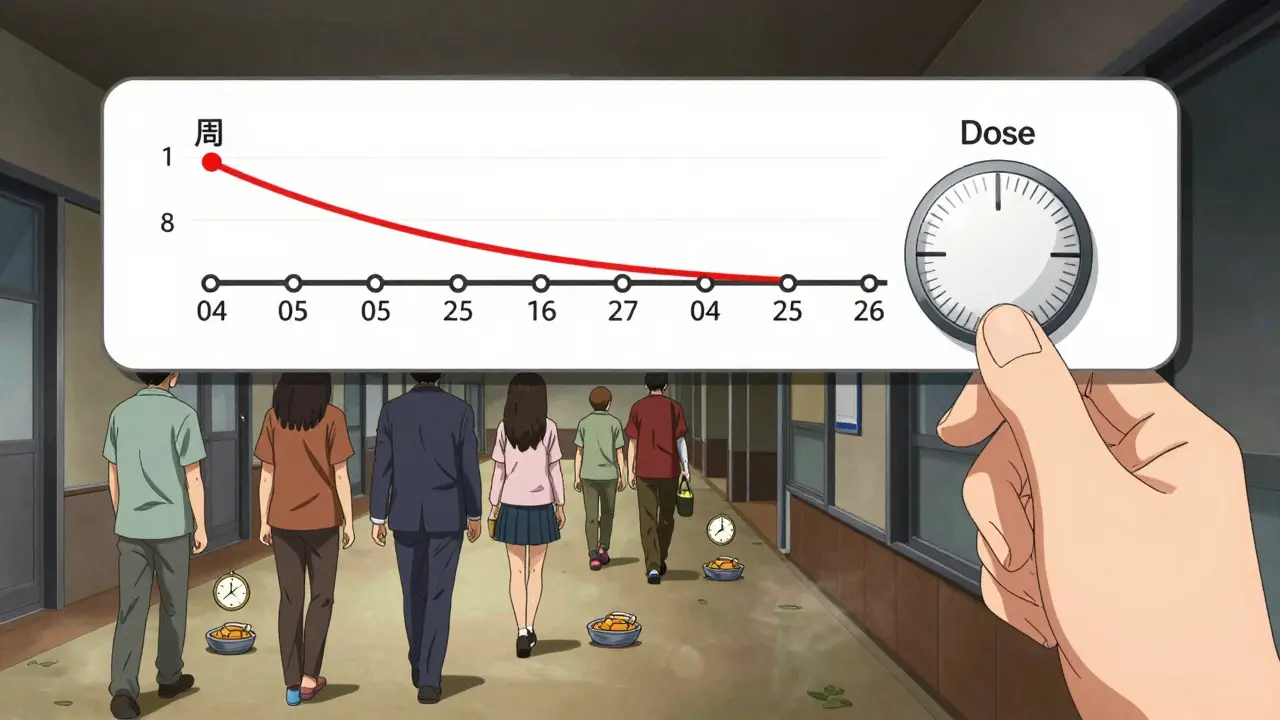
GLP-1 drugs work by slowing down how fast your stomach empties. That’s why you feel full longer and eat less. But that same mechanism is what causes nausea, bloating, and sometimes diarrhea or constipation. The medication also sends signals to your brain’s vomiting center, which is why even a small meal can trigger nausea if your system isn’t used to it. These side effects aren’t random. They’re dose-dependent. The higher the dose, the worse the symptoms - especially in the first 4 to 8 weeks. Studies show nausea hits hardest around week 4, then drops sharply by week 8. By week 56, only about 5.5% of people still feel it. That means most of this is temporary - if you give your body time and adjust properly.The Biggest Mistake People Make
The most common reason people stop taking GLP-1 drugs? They eat like they did before. They try to eat their usual dinner - 600 calories, a big slice of pizza, a soda on the side - right after their injection. That’s like trying to run a marathon with a backpack full of bricks. A GoodRx analysis of 10,000 patient reviews found that 82% of those who quit within the first 8 weeks were eating meals over 600 calories during titration. That’s not just a bad idea - it’s a guaranteed trigger for vomiting. Your stomach is already struggling to process food. Adding volume, fat, or sugar just overwhelms it.Meal Planning That Actually Works
Successful users follow three simple rules:- Keep meals small: Aim for 300-400 calories per meal. No exceptions.
- Focus on protein: Get 25-30 grams of protein per meal. Chicken, eggs, tofu, Greek yogurt, or lean fish work best.
- Limit carbs and fat: Keep simple carbs under 20 grams per meal. Avoid fried foods, creamy sauces, and sugary drinks. Fat should be under 15 grams per meal.
Timing Matters More Than You Think
When you eat matters just as much as what you eat. Most experts recommend taking your GLP-1 injection first thing in the morning, with nothing but water. Then wait 30 to 60 minutes before eating your first meal. This gives your body time to absorb the drug without food interfering. Space meals 3-4 hours apart. Don’t snack. Don’t graze. Your stomach needs time to reset. Many users report that eating 2 hours after their injection - instead of right before - cuts nausea in half. Avoid eating within 3 hours of bedtime. Lying down with a full stomach increases reflux and nausea. If you’re hungry at night, have a small protein snack - no more than 100 calories.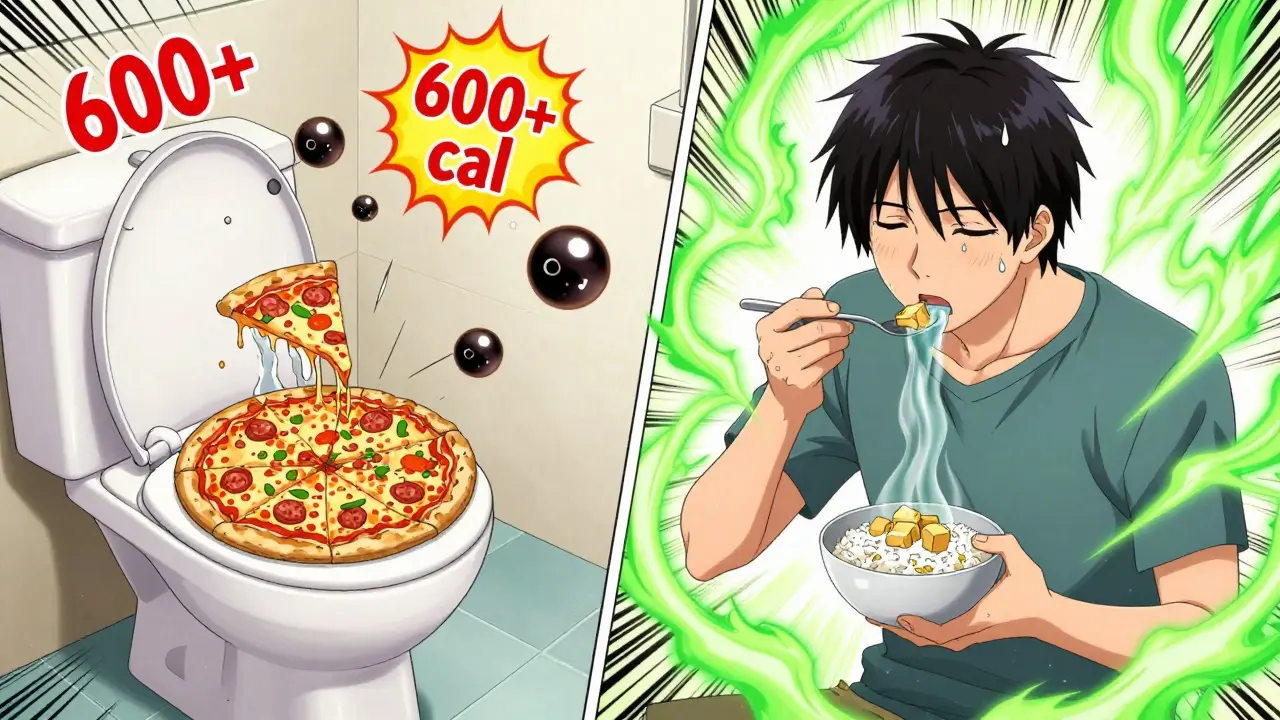
Dose Titration: Slow Is the New Fast
The FDA-approved titration schedules for drugs like semaglutide (Ozempic, Wegovy) are designed for ideal conditions. Real life? Not so much. Most people try to stick to the 16-20 week schedule. But if you’re feeling nauseous, pushing forward is a mistake. The Endocrine Society and Cleveland Clinic both recommend a symptom-guided approach:- Wait until nausea is gone for 7 full days before increasing the dose.
- If you vomit more than twice in a week, hold the dose for 7-10 days, then restart at the previous level.
- For persistent moderate symptoms, delay the next increase by 2-4 weeks.
- If symptoms last longer than 4 weeks, consider dropping back to the last tolerated dose for 2-4 weeks before trying again.
What to Do When Nausea Hits
If you wake up feeling sick:- Don’t force food. Start with sips of water or ginger tea.
- After 24 hours, try the BRAT diet: bananas, rice, applesauce, toast. Plain and bland.
- After 2-3 days, slowly add back protein - like scrambled eggs or grilled chicken.
- Wait until you’ve eaten a full meal without nausea for two days before considering a dose increase.
When to Call Your Doctor
Most GI side effects are mild and temporary. But some signs mean you need help:- Vomiting more than twice a week
- Unable to keep fluids down for more than 24 hours
- Severe abdominal pain or bloating that doesn’t improve
- Dark urine, dizziness, or rapid heartbeat (signs of dehydration)
Kent Peterson
December 16, 2025 AT 04:17Evelyn Vélez Mejía
December 16, 2025 AT 07:36Radhika M
December 16, 2025 AT 18:26Jonathan Morris
December 18, 2025 AT 18:02CAROL MUTISO
December 20, 2025 AT 16:41Donna Packard
December 22, 2025 AT 11:26Patrick A. Ck. Trip
December 23, 2025 AT 09:21Sam Clark
December 24, 2025 AT 21:54Jessica Salgado
December 25, 2025 AT 10:10Chris Van Horn
December 26, 2025 AT 07:53Virginia Seitz
December 26, 2025 AT 16:17amanda s
December 27, 2025 AT 21:17Peter Ronai
December 28, 2025 AT 19:57