
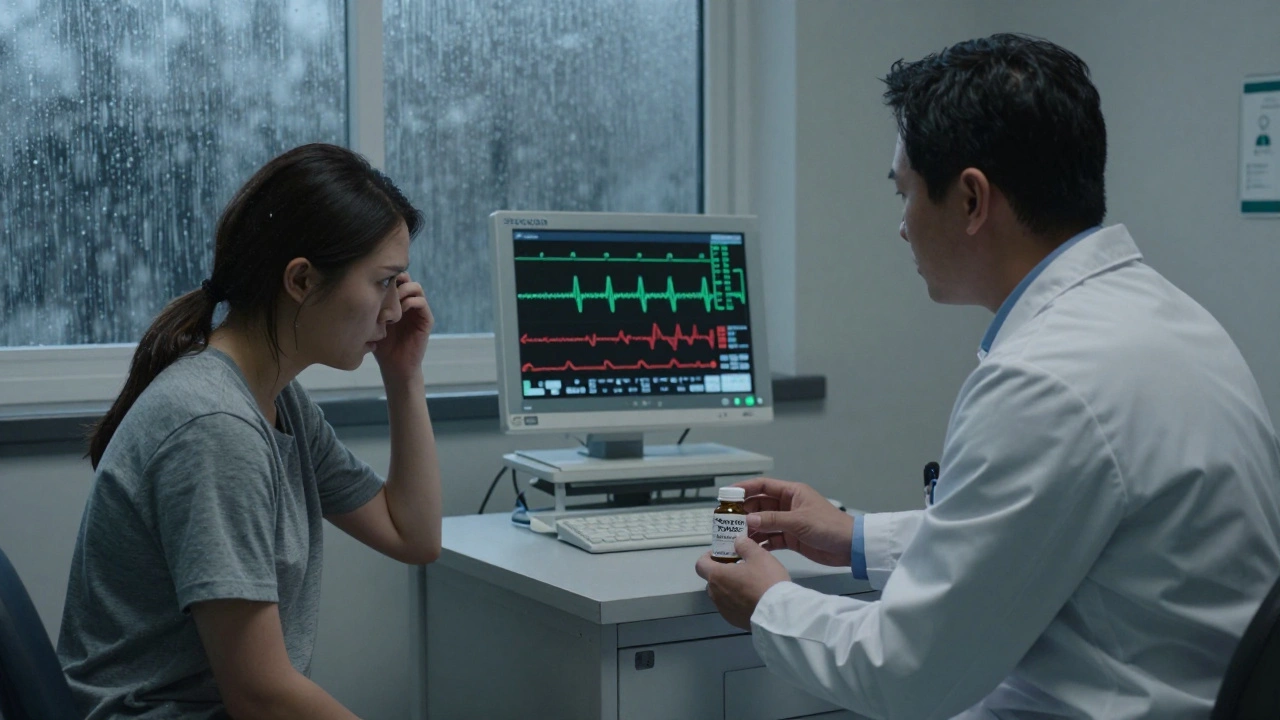
When your pharmacist hands you a pill bottle with a different name than what your doctor wrote, you might wonder: Is this the same thing? The answer isn’t as simple as it seems. Medical societies - the groups that set standards for how doctors practice - have very specific, sometimes conflicting, opinions on when generic drugs can be swapped in for brand-name ones. These aren’t just policy papers. They directly affect whether you get seizure control, cancer treatment, or blood pressure management without interruption.
Why Generic Substitution Isn’t Always Straightforward
The FDA says generic drugs are just as safe and effective as brand-name drugs. And statistically, that’s mostly true. About 90% of prescriptions filled in the U.S. are for generics, and they make up only 23% of total drug spending. That’s a huge savings. But behind those numbers, there’s a deeper layer of clinical concern. For most drugs - antibiotics, statins, antidepressants - switching to a generic is routine and safe. But for drugs with a narrow therapeutic index (NTI), even tiny differences in how the body absorbs the drug can be dangerous. NTI drugs have a very small window between the dose that works and the dose that causes harm. Think blood thinners like warfarin, thyroid meds like levothyroxine, or seizure medications like phenytoin. A 5% change in blood concentration might mean your seizure returns, or your INR spikes into dangerous territory. That’s why medical societies don’t treat all generics the same. Their guidelines aren’t about cost. They’re about risk.The American Academy of Neurology: No Substitution for Seizure Drugs
The American Academy of Neurology (AAN) has one of the clearest and most firm positions: do not substitute generic versions of anticonvulsants. This isn’t a suggestion. It’s an official policy backed by clinical experience. Why? Because seizures are unforgiving. A small drop in drug levels - even within the FDA’s acceptable bioequivalence range of 80-125% - can trigger a breakthrough seizure. Studies from neurologists show that nearly 70% have seen patients experience worsened control after switching generics. One patient might go from zero seizures in six months to three in a week. That’s not theoretical. It’s real. The AAN’s stance has influenced state laws. In many places, pharmacists can’t swap an antiepileptic drug unless the doctor specifically approves it. Some states require the prescription to say “Dispense as Written” or “Do Not Substitute.” This isn’t about distrust in generics. It’s about protecting people who can’t afford a single seizure.The American Medical Association: Naming Matters More Than You Think
The AMA doesn’t take sides on whether generics are safe. Instead, it focuses on how drugs are named - and that’s critical. Through its United States Adopted Names (USAN) Council, the AMA assigns nonproprietary names to every new drug. Their job? Make sure names don’t look or sound too similar. Why? Because a typo or misheard name can kill. Imagine a nurse reading “Lamotrigine” as “Lamivudine” - one treats epilepsy, the other is for HIV. A small mistake, huge consequence. The council avoids stems (the ending parts of drug names) that could confuse prescribers or pharmacists. They also make sure new names don’t accidentally match existing ones in different drug classes. This isn’t bureaucracy. It’s patient safety engineering. The USAN Council’s guidelines are used by every pharmacy, hospital, and electronic health record system in the country. If the name is confusing, the risk of error goes up - no matter how good the generic is.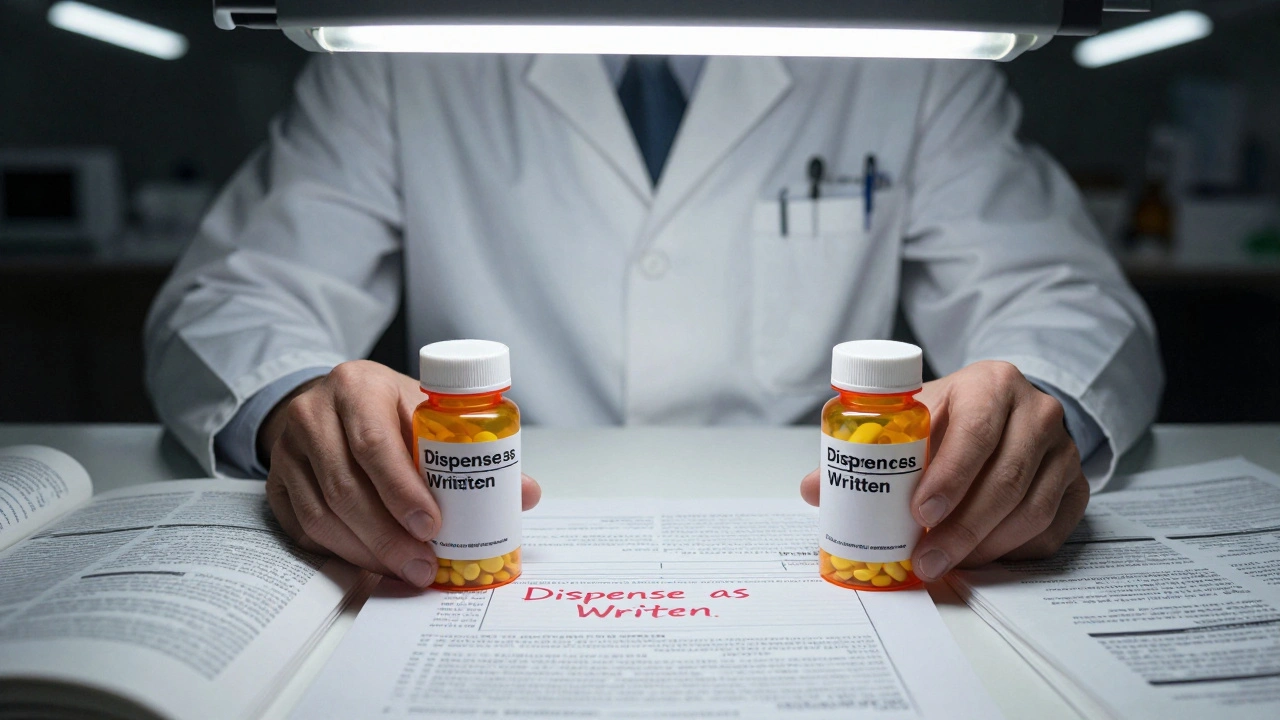
Oncology and Off-Label Use: Where Generics Shine
In cancer care, generics are often the only way patients can afford treatment. The National Comprehensive Cancer Network (NCCN) doesn’t just accept generics - it actively builds them into treatment protocols. About 42% of the cancer drugs listed in NCCN Guidelines are used off-label. That means they’re prescribed for a cancer type not officially approved by the FDA. But because the NCCN has reviewed the evidence and deemed them safe and effective, Medicare and private insurers cover them. And most of these off-label uses involve generic drugs. For example, a generic chemotherapy drug approved for breast cancer might be used for ovarian cancer based on clinical data. The NCCN says: if the drug is therapeutically equivalent, it’s acceptable. No need for brand-name versions. This flexibility saves lives - and money. In oncology, the priority is access. If a generic works, and the evidence supports it, doctors use it. No hesitation.What About Other Specialties?
Other medical societies have taken more nuanced positions. The American College of Physicians generally supports generic substitution for most conditions - hypertension, diabetes, high cholesterol - as long as the FDA says the drugs are bioequivalent. Their stance is practical: if it’s safe, use the cheaper option. It helps patients stick to their meds when cost isn’t a barrier. But even here, exceptions exist. For drugs like digoxin (used for heart rhythm), some cardiologists prefer to stick with the brand. Why? Because the drug’s absorption is unpredictable, and small changes can affect heart function. It’s not that generics are bad - it’s that the margin for error is thin. Psychiatrists also watch closely with mood stabilizers like lithium. Blood levels need to be tightly controlled. A switch to a generic might require more frequent lab tests to make sure the dose is still right.Pharmacists Are Caught in the Middle
Pharmacists are the ones who actually dispense the drugs. But they’re often stuck between laws, guidelines, and patient expectations. Some states allow automatic substitution for most generics. Others require prescriber consent for NTI drugs. A pharmacist in California might be allowed to swap a generic blood pressure pill without telling the doctor. But in New York, they can’t touch a generic version of levothyroxine without explicit permission. And patients? Many assume the pharmacist is just giving them a cheaper version of the same thing. They don’t know about the AAN’s stance or the FDA’s bioequivalence range. When a seizure happens after a switch, they blame the doctor. Or the pharmacy. Or the drug company. They rarely know the real story: it’s a system that hasn’t fully aligned.
The Bigger Picture: Safety, Cost, and Consistency
Medical societies aren’t against generics. They’re against *unmonitored* substitution in high-risk situations. The FDA’s approval process is rigorous. Generic manufacturers must prove their product performs the same as the brand in the body. But “the same” doesn’t always mean “the same for every patient.” Biological variation, absorption differences, and drug interactions can make a difference - especially with NTI drugs. The goal of these guidelines isn’t to block generics. It’s to make substitution intentional. A doctor should decide, based on the patient’s condition, whether a switch is safe. Not a pharmacy system. Not a cost-saving algorithm. That’s why the best practice isn’t blanket substitution. It’s informed choice - by the prescriber, with the patient’s full understanding.What Should You Do?
If you’re on a drug with a narrow therapeutic index - anticonvulsants, warfarin, levothyroxine, lithium, digoxin - ask your doctor: Should I stay on the brand name? If your doctor says yes, make sure your prescription says “Dispense as Written” or “Do Not Substitute.” If you’re on a drug like metformin, atorvastatin, or sertraline - generics are almost always fine. The data supports it. The savings are real. And if you’ve ever had a problem after switching - a new side effect, a loss of control, a lab result that changed - tell your doctor. Your experience matters. It helps shape future guidelines.What’s Next?
Medical societies are moving toward more alignment with the FDA’s Orange Book - the official list of therapeutically equivalent drugs. But specialty exceptions will remain. For now, the system is a patchwork: safe for most, cautious for some. The real win? When patients, doctors, and pharmacists talk about these choices - not just assume they’re automatic. Because when it comes to your health, the right drug at the right dose isn’t just a pill. It’s a promise.Are generic drugs really as good as brand-name drugs?
For most drugs, yes. The FDA requires generics to have the same active ingredient, strength, dosage form, and route of administration as the brand. They must also prove bioequivalence - meaning they work the same way in the body. About 90% of prescriptions in the U.S. are filled with generics, and they’re safe and effective for conditions like high blood pressure, diabetes, and depression. But for drugs with a narrow therapeutic index - like seizure medications, blood thinners, or thyroid pills - even small differences can matter. In those cases, some doctors prefer to stick with the brand to avoid risk.
Why do some doctors refuse to allow generic substitution?
Doctors who oppose substitution usually work with patients on drugs where the margin for error is very small. For example, anticonvulsants like phenytoin or carbamazepine need very stable blood levels. A slight change in absorption can cause a seizure. Neurologists have seen patients lose seizure control after switching to a generic, even if the generic met FDA standards. It’s not about distrust in generics - it’s about protecting patients from unpredictable outcomes. These doctors rely on clinical experience, not just regulatory approval.
Can a pharmacist substitute a generic without my doctor’s permission?
It depends on your state and the drug. In most states, pharmacists can substitute generic versions of common drugs like statins or antibiotics without telling you or your doctor. But for drugs with a narrow therapeutic index - such as levothyroxine, warfarin, or antiepileptics - many states require the doctor to write “Dispense as Written” or “Do Not Substitute.” If that’s not on the prescription, the pharmacist may still be allowed to switch it. Always check your prescription and ask if you’re unsure.
Why do generic drugs have different names than brand names?
Generic drugs get nonproprietary names assigned by the American Medical Association’s United States Adopted Names (USAN) Council. These names are designed to be clear, safe, and consistent for doctors and pharmacists. For example, the generic name for Lipitor is atorvastatin - the “-vastatin” ending tells you it’s part of the statin family. The naming system avoids names that sound or look too similar to other drugs to prevent errors. It’s not about branding - it’s about reducing medication mistakes.
Do insurance companies push for generic substitutions?
Yes. Insurance plans often require patients to try generics first because they’re much cheaper - sometimes 80-90% less expensive than brand-name drugs. Many plans have tiered formularies that make generics the lowest-cost option. But if your doctor believes a brand-name drug is medically necessary, they can usually file an exception. You shouldn’t be forced to switch if it puts your health at risk. Always communicate with your doctor if cost is pushing you toward a substitution you’re uncomfortable with.
How can I tell if my drug is high-risk for substitution?
Drugs with a narrow therapeutic index (NTI) are the main concern. These include anticonvulsants (phenytoin, carbamazepine), blood thinners (warfarin), thyroid meds (levothyroxine), lithium, digoxin, and some immunosuppressants (cyclosporine). If you’re on one of these, talk to your doctor about whether switching is safe. You can also check the FDA’s Orange Book - drugs with an “A” rating are considered therapeutically equivalent, but some NTI drugs have special notes about substitution. When in doubt, ask your pharmacist or doctor to explain the risks.
Gillian Watson
December 2, 2025 AT 04:21Been on levothyroxine for 12 years. Switched generics twice. Felt fine both times. Maybe it's just me but I think the fear around NTI drugs gets blown out of proportion. My endo says if my TSH stays stable, it's fine.
Stop treating patients like glass.
Jordan Wall
December 2, 2025 AT 05:13OMG this is such a critical discourse!! 🤯 The bioequivalence paradigm is fundamentally flawed when applied to NTI pharmacokinetics!! The FDA’s 80-125% window is a statistical mirage!! 🤖 You’re literally gambling with neuronal excitability thresholds!!
And don’t get me started on the USAN Council’s naming conventions-how is ‘carbamazepine’ not a phonetic minefield next to ‘carbamazepine’? 😭
Augusta Barlow
December 2, 2025 AT 10:51They’re lying. All of them. The FDA, the AMA, the neurologists-they’re all in bed with Big Pharma. Why do you think they let generics in at all? To create a false sense of safety so you’ll stop asking questions. But I’ve seen the documents. There’s a whole secret database of adverse events they never publish. Your ‘stable’ thyroid levels? That’s just the tip of the iceberg. They’re dosing you with fillers that trigger autoimmunity. And the name changes? That’s not for safety-it’s to confuse you into compliance.
Ask yourself: who profits when you can’t switch? Who owns the patents? Who controls the formularies? I’ve got screenshots. I’ll DM you.
They’re watching. They always are.
zac grant
December 4, 2025 AT 07:29Real talk: if you’re on warfarin or phenytoin, don’t switch unless your doc explicitly says it’s okay. I’m a clinical pharmacist and I’ve seen too many INR spikes and breakthrough seizures after a ‘routine’ swap.
But for metformin? Go nuts. The data’s rock solid. The real issue isn’t generics-it’s the lack of communication between prescribers, pharmacists, and patients. We’re all working off different playbooks.
Just ask. Always ask. It’s not a burden-it’s your right.
Heidi Thomas
December 5, 2025 AT 23:42Stop coddling patients. If you can’t handle a generic, you shouldn’t be on the drug. The FDA approves these things for a reason. Neurologists are just scared of liability. I switched my daughter’s Keppra to generic and her seizures got better. Coincidence? Maybe. But I’m not letting fear dictate my healthcare.
Stop using ‘narrow therapeutic index’ as an excuse to charge more. It’s corporate greed dressed up as caution.
Libby Rees
December 6, 2025 AT 11:19Generic medications are rigorously tested and regulated. For the vast majority of patients, substitution is safe and appropriate. The medical community’s caution regarding drugs with narrow therapeutic indices is evidence-based and necessary. Patients should be informed, not alarmed.
It is not a matter of distrust in generics, but of clinical prudence. Consistency in medication use is a cornerstone of effective treatment, particularly for chronic conditions requiring precise dosing.
Always consult your physician before making any changes to your regimen.
val kendra
December 6, 2025 AT 15:17Hey y’all-just wanted to say THANK YOU for this post. Seriously. I’ve been on lithium for 8 years and switched generics last year. My doc had me get labs every 2 weeks for a month. It was a pain, but it kept me safe.
And yeah, the name thing? I once saw a nurse hand someone ‘Lamictal’ instead of ‘Lamivudine’-and that’s not even close, but you’d be shocked how often names get mixed up in EHRs.
Don’t be afraid to ask your pharmacist: ‘Is this the same one I had before?’
And if you’re on NTI meds? Keep a little notebook. Track your mood, your energy, your labs. You’re the expert on your own body.
You got this 💪
George Graham
December 7, 2025 AT 16:57I’ve been a pharmacist for 17 years. I’ve seen the fear in people’s eyes when they get a different-looking pill. They think it’s broken. It’s not. But I get it.
My job isn’t just to fill the script-it’s to listen. To ask, ‘Have you noticed anything different?’
Most of the time, nothing’s changed. But sometimes, someone says, ‘I’ve had three panic attacks since I switched.’ And then we call the doctor.
It’s not about being right. It’s about being there.
Thanks for writing this. It helps people feel less alone.
John Filby
December 9, 2025 AT 00:56Just wanted to add: if your doc says ‘Do Not Substitute,’ make sure the prescription says it too. I had a guy come in last week mad because his pharmacy switched his carbamazepine. Turns out his doc said it in person but didn’t write it on the script. Pharmacies are legally allowed to swap unless it’s written.
Always check your scrip. Seriously. It’s the one thing you can control.
And if you’re on a NTI drug? Print out the FDA’s Orange Book entry and bring it to your next appointment. It’s a conversation starter. And you deserve to be heard.
Peace out 🤝