
Asthma Cough: Causes, Treatments, and What Really Works
When you have an asthma cough, a persistent, dry, or wheezing cough triggered by airway inflammation and constriction. Also known as cough-variant asthma, it's not just a cold or allergies—it's your lungs telling you they're struggling to breathe. Unlike a regular cough that fades in days, an asthma cough sticks around for weeks, often worse at night, after exercise, or when the air is cold or dusty. It doesn’t come with a runny nose or fever, but it does come with tightness in your chest and that nagging urge to clear your throat—over and over.
This kind of cough is closely tied to bronchial inflammation, the chronic swelling of the airways that makes them overly sensitive. When triggers like pollen, smoke, or even strong perfumes hit, your airways react by tightening, producing mucus, and sparking that dry, hacking cough. Many people mistake it for a lingering infection, but antibiotics won’t fix it. What works are inhalers that reduce swelling and open the airways—like corticosteroids and bronchodilators. You might also notice this cough gets worse if you’re on certain blood pressure meds, like ACE inhibitors, which are known to trigger coughs in up to 20% of users.
There’s also a strong link between asthma treatment, the long-term management plan that includes daily preventers and rescue inhalers and how often you cough. If you’re still coughing daily, your treatment might need adjusting. Some people do better with combination inhalers that deliver both a steroid and a long-acting bronchodilator. Others find relief with leukotriene modifiers like montelukast, which block the chemicals that cause airway narrowing. And if you’re using a rescue inhaler more than twice a week, that’s a red flag—your asthma isn’t under control, and your cough is the warning sign.
What’s missing from most advice? The connection between asthma cough and other conditions. People with respiratory medications, drugs designed to open airways or reduce inflammation in the lungs often also deal with GERD, sinus issues, or even postnasal drip—all of which can make coughing worse. Treating just the cough without checking for these coexisting problems means you’re putting a bandage on a broken bone. That’s why some patients get relief only after adding acid blockers or nasal sprays to their regimen.
You don’t have to live with a cough that keeps you up at night or stops you from running, laughing, or even talking. The right mix of medication, trigger avoidance, and smart monitoring can turn that constant cough into a rare event. Below, you’ll find real-world guides on what meds work best, how to spot when your treatment is failing, and how to avoid common mistakes that make asthma cough worse. No fluff. Just what actually helps.
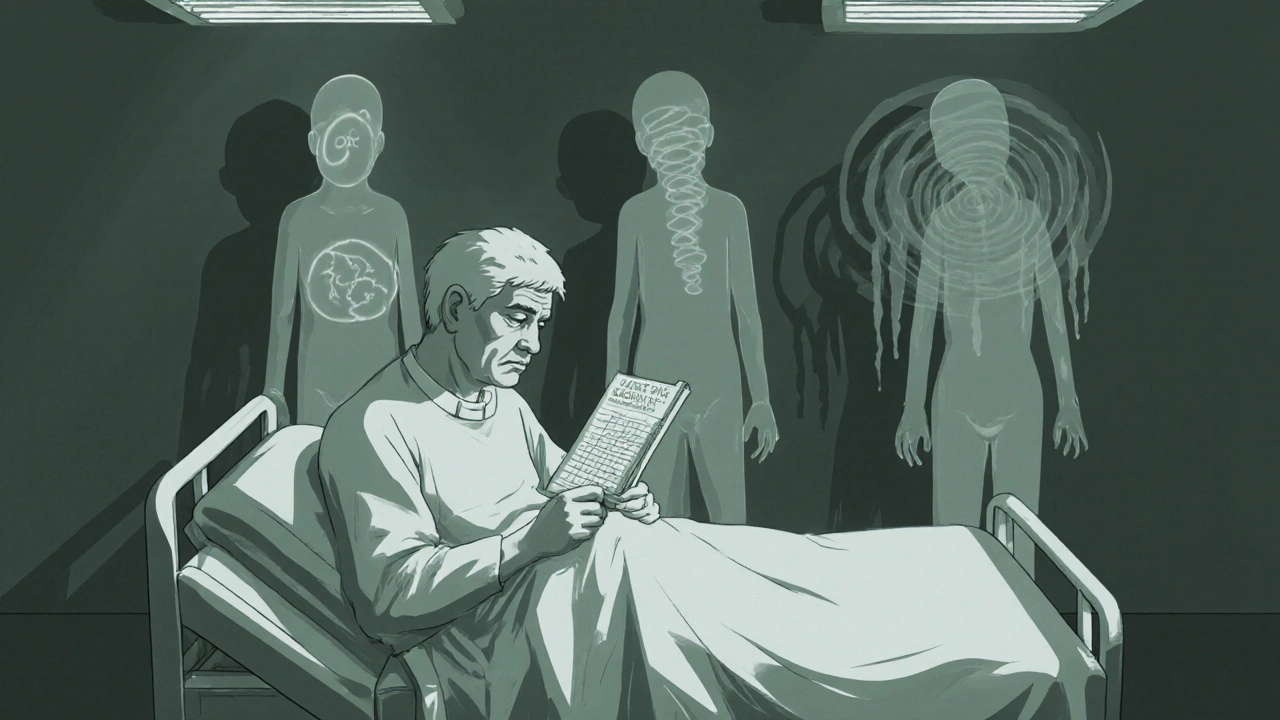
Chronic Cough Workup: How to Diagnose GERD, Asthma, and Postnasal Drip
Chronic cough lasting over 8 weeks is often caused by GERD, asthma, or postnasal drip. Learn how to diagnose and treat these three common causes with evidence-based steps, avoiding unnecessary tests and ineffective treatments.