
Chronic Cough: Causes, Medications, and What Really Works
When a cough lasts more than eight weeks, it's not a cold—it's a chronic cough, a persistent respiratory symptom that doesn't resolve on its own and often points to an underlying condition. Also known as a persistent cough, it's not just about irritation—it's your body's signal that something needs attention.
Most chronic cough cases come from three main sources: postnasal drip, acid reflux, and asthma. These aren't rare guesses—they're the top causes backed by clinical data. Postnasal drip happens when mucus drips down your throat from your sinuses, triggering that tickle. Acid reflux doesn't always mean heartburn; sometimes, it's just a cough, especially at night. And asthma? It doesn't always wheeze. Many adults with asthma only show up with a cough, especially in cold air or after exercise. These aren't separate problems—they're connected. One can trigger another. A runny nose leads to throat irritation, which worsens reflux, which then stirs up more coughing. It's a loop, and treating just the cough won't break it.
Medications for a chronic cough aren't one-size-fits-all. You can't just grab a cough syrup and hope for the best. Antihistamines might help if it's allergies. Proton pump inhibitors can calm reflux-related coughs. Inhaled steroids? They work for asthma, not for every cough. And antibiotics? They don't touch viral or non-infectious causes. Many people waste months on OTC syrups that do nothing because they're treating the symptom, not the source. The real fix starts with knowing why it's happening. That’s why doctors often ask about timing—does it happen after meals? At night? When you’re around dust or pets? Those details matter more than the cough itself.
There are also less obvious triggers you might not connect to your cough. Certain blood pressure meds—ACE inhibitors like lisinopril—are a common culprit. They cause a dry, hacking cough in up to 20% of users. Switching to a different class of drug can make the cough vanish. Smoking? It doesn’t just damage lungs—it keeps your throat in constant irritation mode, even if you’ve cut back. And then there’s environmental stuff: dry air, air pollution, even some cleaning sprays. These don’t cause disease, but they keep the cough going.
What you’ll find in the articles below isn’t a list of cough remedies. It’s a collection of real, practical insights into how medications interact with conditions that cause chronic cough. You’ll see how drugs like nitrofurantoin or tizanidine might indirectly affect your respiratory system. You’ll learn why expired pills or generic vs. brand-name choices matter when you’re managing long-term symptoms. You’ll find comparisons between treatments for similar issues—like how Bentyl helps IBS spasms, but won’t touch a cough caused by reflux. These aren’t random posts. They’re all connected to the bigger picture: understanding your body’s signals and choosing the right tools to quiet them.
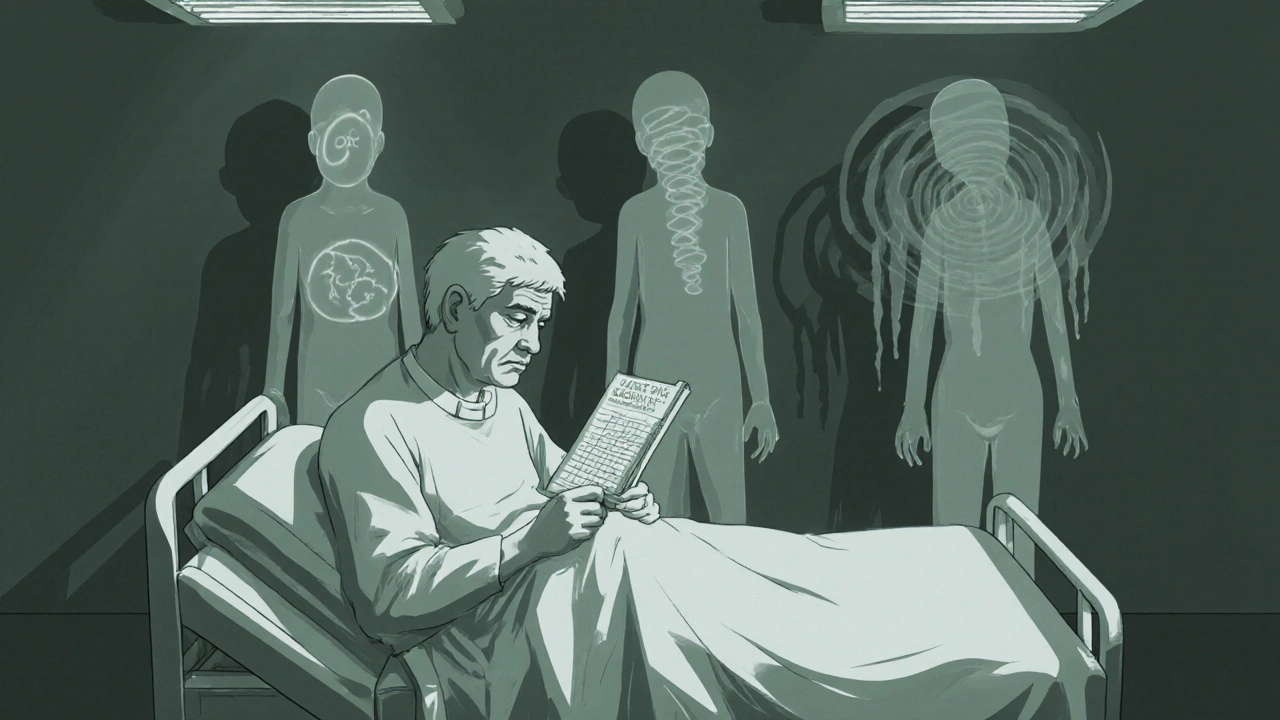
Chronic Cough Workup: How to Diagnose GERD, Asthma, and Postnasal Drip
Chronic cough lasting over 8 weeks is often caused by GERD, asthma, or postnasal drip. Learn how to diagnose and treat these three common causes with evidence-based steps, avoiding unnecessary tests and ineffective treatments.