
Drug Expiration Dates: What Really Happens When Medicines Go Bad
When you see a drug expiration date, the date a manufacturer guarantees a medication will remain safe and effective under proper storage conditions. Also known as use-by date, it’s not a magic deadline where the pill suddenly turns toxic—but it’s not just a marketing tactic either. Most drugs lose a bit of strength over time, but many stay usable for years past their printed date. The FDA’s Shelf Life Extension Program found that 90% of over 100 drugs were still safe and effective 15 years after expiration—under controlled lab conditions. But your medicine cabinet isn’t a government warehouse. Heat, humidity, and light change everything.
Some drugs are far more dangerous when old. Antibiotics like tetracycline can break down into toxic compounds. Insulin, nitroglycerin, and liquid antibiotics lose potency fast—sometimes within weeks after opening. If you’re using a life-saving drug like an EpiPen or seizure medication, don’t gamble. A weakened dose could mean the difference between life and death. On the flip side, a slightly expired painkiller or antihistamine might still work fine if stored cool and dry. The key isn’t just the date—it’s the medication storage, how you keep your drugs away from moisture, heat, and direct sunlight. Bathrooms are the worst place. A cool, dark drawer is better. And never leave pills in a hot car or a sunlit windowsill.
Expired meds aren’t just about safety—they’re about medication safety, the broader practice of using drugs correctly to avoid harm. Think about your go-bag for emergencies. If your EpiPen expired last year, does it still work when you need it most? What about your heart medication or insulin? The pharmaceutical shelf life, how long a drug remains stable and effective under real-world conditions depends on the formulation, the active ingredient, and how it’s packaged. Tablets last longer than liquids. Sealed blister packs protect better than loose bottles. And once you open a bottle of liquid antibiotic? Clock starts ticking fast.
Don’t just toss expired pills in the trash. Many communities have drug take-back programs. Flushing them pollutes water. Burning them releases toxins. And keeping them around? That’s how accidental overdoses happen—especially with kids or elderly relatives. If you’re unsure, ask your pharmacist. They can check if a drug is still safe based on batch info and storage history. You don’t need to guess.
Below, you’ll find real-world guides on what to keep in your emergency kit, how to store meds right, and which drugs are safest—or riskiest—when they’re past their prime. No fluff. No myths. Just what you need to know to keep yourself and your family safe.
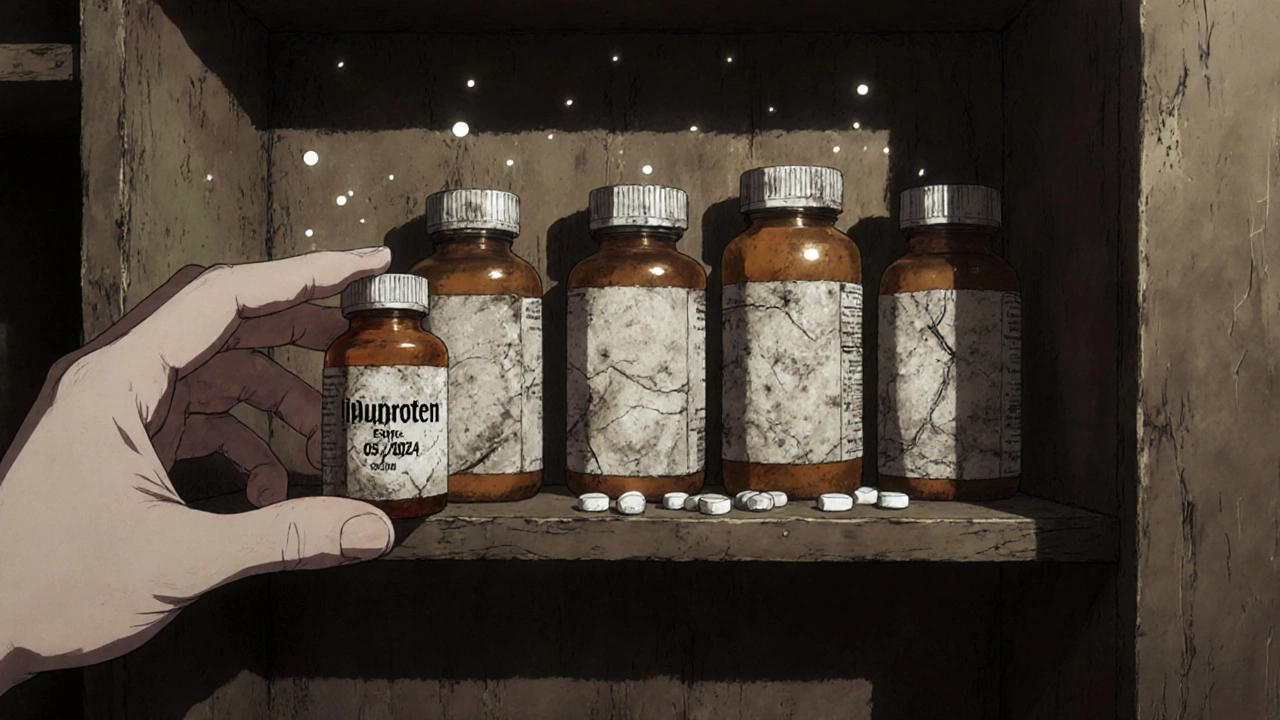
How Long Medications Actually Remain Effective After Expiration
Most medications remain effective years after their expiration date if stored properly. Learn which drugs are safe to use past expiration, which ones aren't, and why expiration dates aren't as scientific as you think.