
Drug Stability: How Medications Stay Effective and Safe Over Time
When you take a pill, you expect it to work exactly as it should. But drug stability, the ability of a medication to maintain its chemical structure, potency, and safety over time under specific conditions. Also known as pharmaceutical stability, it’s what keeps your blood pressure pill from turning into useless powder or your antibiotic from becoming toxic. If a drug loses stability, it doesn’t just stop working—it can harm you. That’s why proper storage, expiration dates, and even how a pill is made matter more than most people realize.
Drug stability isn’t just about the bottle it comes in. It’s affected by heat, light, moisture, and even the air inside the container. A common example: insulin needs refrigeration. Leave it in a hot car, and it breaks down fast—no more blood sugar control. Or take nitrofurantoin, which can degrade if exposed to humidity, making it less effective against UTIs. Even something as simple as keeping your pills in the bathroom medicine cabinet can shorten their shelf life. Moisture from showers turns tablets brittle and causes active ingredients to break down. That’s why many prescriptions now come in blister packs or with desiccants inside—they’re designed to fight drug degradation, the chemical breakdown of active ingredients that reduces potency and can create harmful byproducts. You wouldn’t eat spoiled food. Don’t take spoiled medicine.
Expiration dates aren’t just there for legal reasons. They’re based on real testing—pharmaceutical companies track how long a drug stays within 90-110% of its labeled strength under controlled conditions. But that doesn’t mean your meds die the moment the date passes. Some drugs, like certain antibiotics or heart medications, can remain stable for years past their label if stored properly. Others, like liquid suspensions or eye drops, go bad in weeks. The real issue? People don’t know the difference. You might think all pills are the same, but medication storage, the way drugs are kept at home, in pharmacies, or during transport. makes all the difference. A go-bag for emergencies? It needs special attention. Heat from a car trunk or a backpack in the sun can wreck your meds before you even need them.
Drug stability also affects how companies make generics. A brand-name drug has years of stability data behind it. A generic must prove it’s just as stable under the same conditions. But not all generics are created equal—some use different fillers or coatings that change how they hold up over time. That’s why some people notice differences in how a generic works compared to the brand, even when the active ingredient is identical. It’s not in the chemistry—it’s in the stability.
And it’s not just about pills. Liquid antibiotics, patches, inhalers, even injectables—all have their own stability rules. A vial of epinephrine left in a hot ambulance? It could fail when you need it most. A diabetes test strip exposed to humidity? Your readings could be wrong. Drug stability isn’t a lab concept—it’s your safety net.
Below, you’ll find real-world guides on how to store your meds right, what happens when they break down, how to handle them in emergencies, and which drugs need extra care. No fluff. Just what you need to keep your treatment working—and keep you safe.
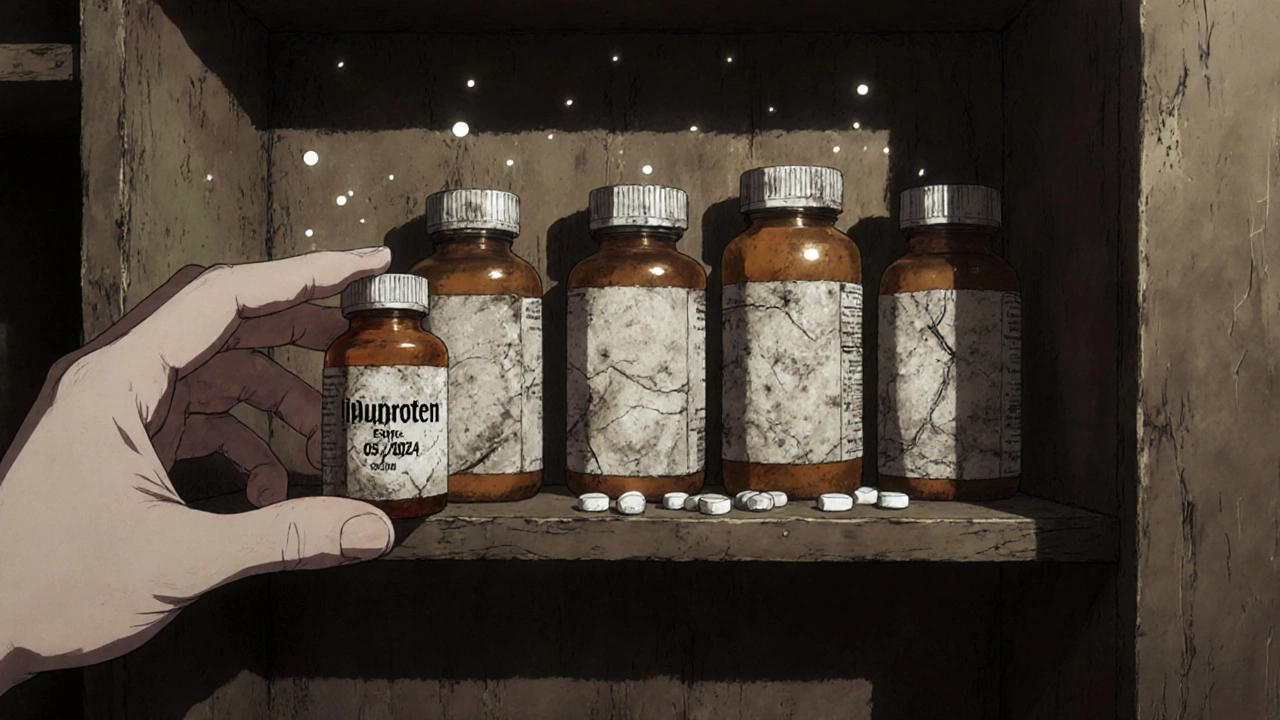
How Long Medications Actually Remain Effective After Expiration
Most medications remain effective years after their expiration date if stored properly. Learn which drugs are safe to use past expiration, which ones aren't, and why expiration dates aren't as scientific as you think.