
DTC Advertising: What It Is, How It Works, and Why It Matters
When you see a TV ad for a drug that treats acid reflux or depression, you’re seeing DTC advertising, a practice where pharmaceutical companies promote prescription drugs directly to patients instead of just doctors. Also known as direct-to-consumer advertising, it’s legal in only two countries: the U.S. and New Zealand. This isn’t just about commercials—it’s a multi-billion-dollar strategy that changes how people think about their health and what they ask their doctors for.
DTC advertising doesn’t just show a pill and a symptom. It often links the drug to real-life struggles—someone unable to sleep, someone in constant pain, someone tired of feeling off. These ads are designed to trigger recognition, not just recall. And they work. Studies show patients who see DTC ads are more likely to ask their doctor about the drug, even if it’s not the first-line treatment. This shifts power in the doctor-patient relationship. It’s not about pushing pills—it’s about creating demand. But that demand isn’t always based on medical need. Some drugs promoted this way have serious side effects, and not every patient who asks for them is a good candidate.
Behind every DTC ad is a complex web of regulations, budgets, and legal limits. The FDA requires ads to list major risks, but they don’t have to explain how the drug compares to cheaper or safer alternatives. That’s where things get tricky. You might see an ad for a brand-name drug that costs $500 a month, while a generic version exists for $10. The ad won’t tell you that. And while some ads focus on conditions like high cholesterol or depression, others target niche issues—like a muscle relaxant that might cause sexual dysfunction or a statin that could affect your muscles. These are the exact topics covered in the posts below: real patient concerns about medications, their side effects, and how they’re marketed.
What you’ll find here isn’t a list of ads. It’s a collection of practical, no-fluff guides about the drugs those ads promote. From how long expired pills still work to whether a blood pressure med is safe for your liver, these posts cut through the marketing noise. You’ll see comparisons between brand names and generics, warnings about drug interactions, and real-world advice on what to ask your doctor. Whether you’re wondering why your doctor refused your request for a drug you saw on TV, or you’re trying to understand why your medication causes fatigue or sleep problems, the answers are here—without the hype.
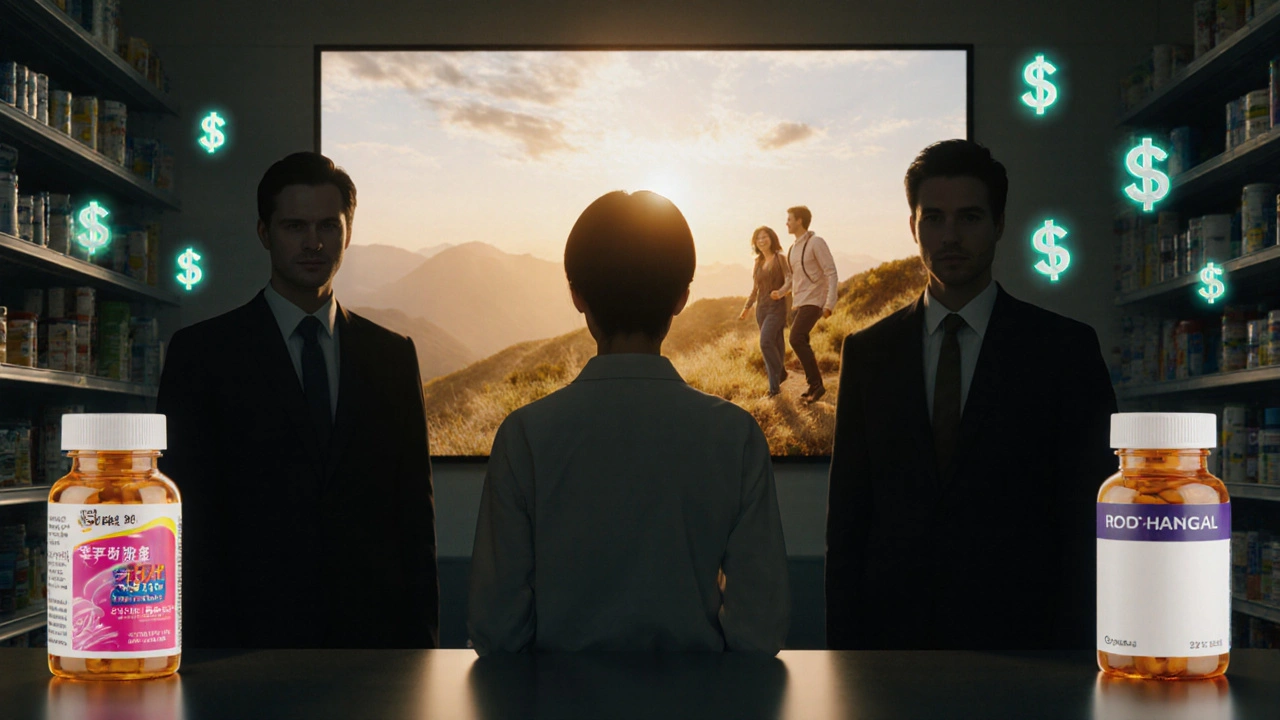
How Advertising Shapes Public Perception of Generic Medications
Advertising for brand-name drugs shapes patient and doctor perceptions, making generics seem less effective - even though they're chemically identical. Learn how marketing influences prescriptions and what you can do about it.