
Expired Medications: Risks, Realities, and What to Do Instead
When you find an old bottle of pills in your medicine cabinet, it’s easy to think, "It’s probably still fine." But expired medications, drugs past their labeled expiration date that may lose potency or break down into harmful compounds aren’t just ineffective—they can be risky. The expiration date isn’t a guess. It’s the last day the manufacturer guarantees the drug works as intended, safely and completely. After that, chemical changes can happen. Some pills lose strength. Others degrade into toxins. And in rare cases, like with tetracycline or insulin, expired versions have caused serious harm.
It’s not just about the date on the bottle. How you store your meds matters just as much. Heat, moisture, and light speed up degradation. A bathroom cabinet? That’s a steamy, humid environment—perfect for breaking down pills. A drawer in a cool, dry room? That’s better. pill storage, the practice of keeping medications in conditions that preserve their chemical stability directly affects how long they stay safe. Even if a medication hasn’t reached its printed expiration date, poor storage can make it useless—or dangerous—months early. And don’t assume that because a drug looks fine, it’s still good. Tablets can look perfect but have lost 30% of their potency. Liquid antibiotics? They can grow bacteria after expiration.
What about emergency kits? If you’ve packed meds for a disaster go-bag, you need to know this: drug safety, the set of practices ensuring medications remain effective and non-harmful during use and storage isn’t optional. A 14-day supply of epinephrine or insulin that’s expired won’t save your life—it might make things worse. That’s why guides on emergency kits stress checking dates and rotating stock. Same goes for chronic conditions. Taking expired seizure meds, blood pressure pills, or insulin isn’t a gamble you should take. There’s no reliable way to tell if an old pill still works. If it’s past the date, replace it.
And when it’s time to get rid of old meds? Don’t flush them. Don’t toss them in the trash. Many communities have take-back programs. Pharmacies often collect expired drugs. If that’s not an option, mix them with coffee grounds or cat litter, seal them in a container, and throw them out. This keeps kids and pets safe and stops them from leaching into water supplies. medication disposal, the safe and legal method of discarding unused or expired pharmaceuticals is part of responsible health care—not an afterthought.
You’ll find real-world advice here on how to spot risky old meds, how to build a safe emergency kit, what to do if you accidentally take something expired, and how to avoid falling for myths like "medications last forever." Whether you’re managing a chronic condition, caring for an elderly parent, or just cleaning out your cabinet, this collection gives you clear, no-fluff answers—backed by real cases and professional guidelines. No guesswork. Just what you need to stay safe.
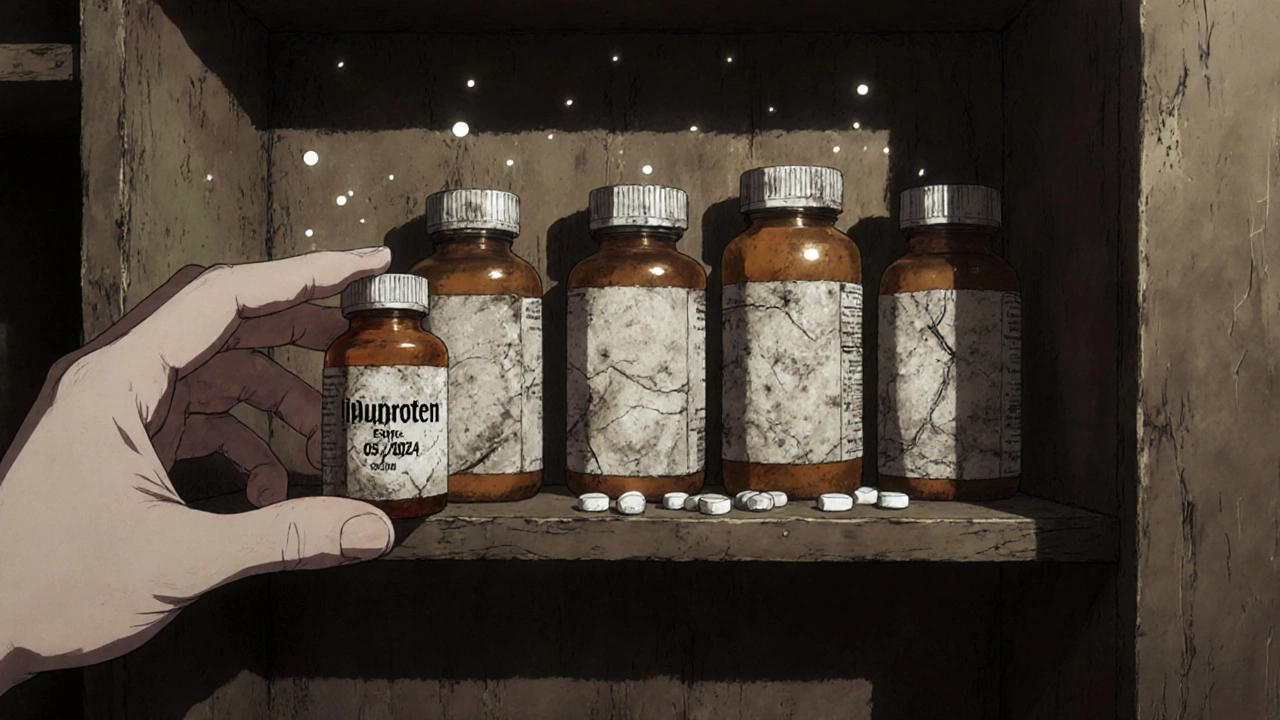
How Long Medications Actually Remain Effective After Expiration
Most medications remain effective years after their expiration date if stored properly. Learn which drugs are safe to use past expiration, which ones aren't, and why expiration dates aren't as scientific as you think.