
Expired Pills Safe: What You Need to Know Before Taking Them
When you find an old bottle of pills in the back of your medicine cabinet, you might wonder: expired pills safe, medications that have passed their printed expiration date. Also known as out-of-date drugs, they don’t suddenly turn toxic the moment the date passes—but that doesn’t mean they’re always safe to use. The expiration date isn’t a guess. It’s the last day the manufacturer guarantees the drug will work at full strength and remain stable under proper storage. After that, potency drops. For some meds, like antibiotics or insulin, that drop can be dangerous. For others, like painkillers or antihistamines, it might just mean they don’t work as well.
Drug storage, how medications are kept before use. Also known as medication preservation, it plays a bigger role than most people realize. Heat, moisture, and light break down pills faster than time alone. A bottle of amoxicillin left in a hot bathroom will lose effectiveness quicker than one kept in a cool, dry drawer. That’s why some expired meds are riskier than others. Epinephrine auto-injectors? Never use past expiration—your life could depend on full potency. Tetracycline? Avoid it entirely after expiration—it can cause kidney damage. But a bottle of ibuprofen from two years ago, stored properly? It’s likely still fine for a headache, even if it’s not at 100% strength.
Medication expiration, the date after which a drug’s effectiveness is no longer guaranteed. Also known as drug shelf life, it’s not a universal rule. The FDA says most pills remain safe for years beyond their label date—but they don’t say they’ll still work. A 2012 study by the U.S. military tested over 100 drugs stored for up to 15 years past expiration. Most retained 90% or more of their potency. But that’s under perfect lab conditions. Your bathroom cabinet? Not so much. If your pills are cracked, discolored, smell odd, or have changed texture, toss them. No exceptions.
Here’s the hard truth: taking expired pills for non-critical issues like allergies or mild pain is usually low risk. But for heart meds, seizure drugs, or insulin? Never gamble. A drop in potency could mean a seizure, a stroke, or worse. And if you’re treating a child, elderly person, or someone with a chronic illness, don’t risk it. When in doubt, ask your pharmacist. They’ve seen it all—and they’ll tell you straight.
What you’ll find below are real, practical guides from people who’ve faced this exact dilemma. From emergency go-bags with meds that need to stay fresh to how storage affects antibiotics, thyroid pills, and even cholesterol drugs—you’ll see how expiration isn’t just a date on a label. It’s a warning, a clue, and sometimes, a lifesaver.
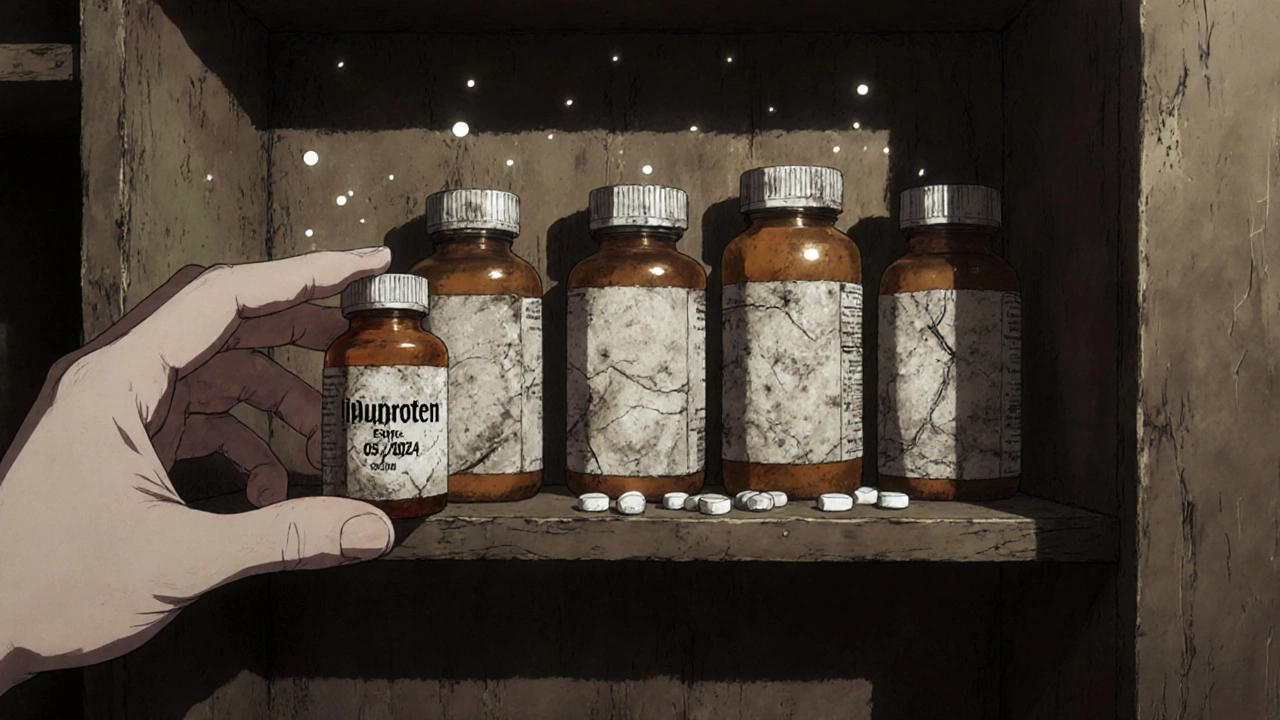
How Long Medications Actually Remain Effective After Expiration
Most medications remain effective years after their expiration date if stored properly. Learn which drugs are safe to use past expiration, which ones aren't, and why expiration dates aren't as scientific as you think.