
Generic vs Brand Medications: What Really Matters
When you pick up a prescription, you might see two options: a cheap generic drug, a medication with the same active ingredient as a brand-name version, approved by health regulators as equally safe and effective. Also known as non-brand drug, it works the same way in your body—no magic, no hidden ingredients. Then there’s the brand name drug, the original version developed by a pharmaceutical company, often sold under a trademarked name and protected by patents. Also known as originator drug, it’s what you see advertised on TV, in magazines, and sometimes pushed by your doctor’s office. The big question isn’t whether they work the same—it’s why you’re made to think they don’t.
The truth? A generic vs brand match isn’t a choice between quality and compromise. It’s a match between identical chemistry and different price tags. The FDA requires generics to deliver the same amount of active ingredient into your bloodstream at the same rate as the brand. That means your blood pressure pill, your antibiotic, your antidepressant—they’re not copies. They’re the same drug, just without the fancy packaging and the marketing budget. But here’s the twist: companies spend billions on ads telling you brand-name drugs are better. They pay doctors to recommend them. They make you feel like you’re getting something special, even when you’re not. That’s not science. That’s pharmaceutical marketing, the strategic use of advertising, branding, and influence to shape perceptions of drug value, often beyond clinical evidence. And it works. People pay more because they believe they’re getting more—even when they’re not.
So why do some people swear their brand-name version works better? Sometimes, it’s the placebo effect. Sometimes, the inactive ingredients (fillers, dyes, coatings) are different, and those can affect how the pill feels in your stomach or how fast it dissolves—though rarely enough to change the outcome. And yes, in rare cases, a generic might come from a factory with lower quality control, but that’s not the rule—it’s the exception. The system is designed to catch those. Most generics pass the same tests as brands, often from the same plants.
What you’ll find in the posts below isn’t theory. It’s real-world stories and facts: how advertising tricks you into thinking generics are weaker, how some drugs like acitretin or voriconazole have no generic version yet, why you should question your doctor’s preference for a brand, and how expiration dates, pricing, and even capsule shape play into your choices. You’ll see comparisons between Bentyl and hyoscyamine, Clarinex and its generic, and how Cymbalta’s generic version saves you hundreds without sacrificing results. This isn’t about cutting corners. It’s about knowing what you’re really paying for—and making sure you’re not paying for a name you don’t need.
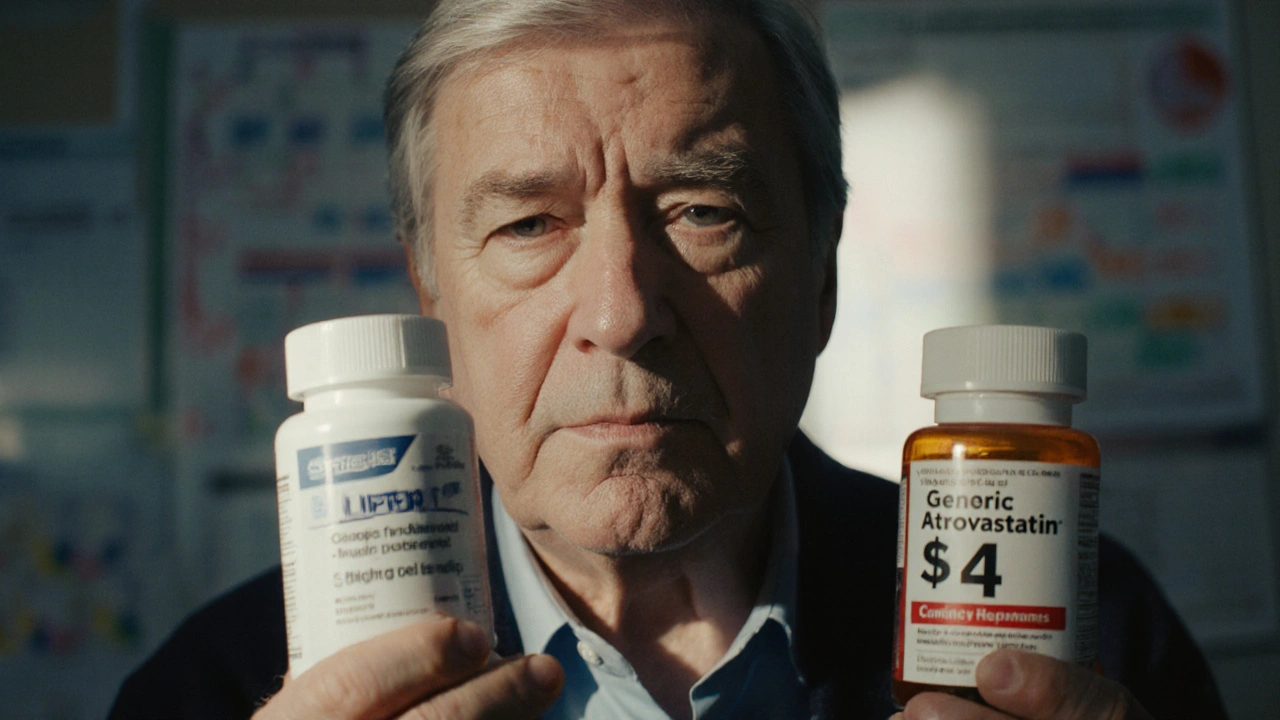
Why Switch to Generic Medications: Proven Reasons and Real Savings
Switching to generic medications saves money without sacrificing effectiveness. FDA-approved generics work the same as brand-name drugs and can cost up to 85% less. Learn why they’re safe, widely used, and the smart choice for most patients.
Why Generic Medications Cost Less for Patients and Insurers
Generic medications cost far less than brand-name drugs because they don't need expensive clinical trials. They're just as safe and effective, saving patients and insurers billions each year - if you know how to find the best price.