
Lifestyle Changes for GERD: Simple Ways to Reduce Acid Reflux
When you have GERD, gastroesophageal reflux disease, a chronic condition where stomach acid flows back into the esophagus. Also known as chronic heartburn, it’s not just about spicy food—it’s about how you live. Many people think they need stronger meds, but the most effective fix isn’t a prescription. It’s what you do every day—how you eat, sleep, move, and even sit.
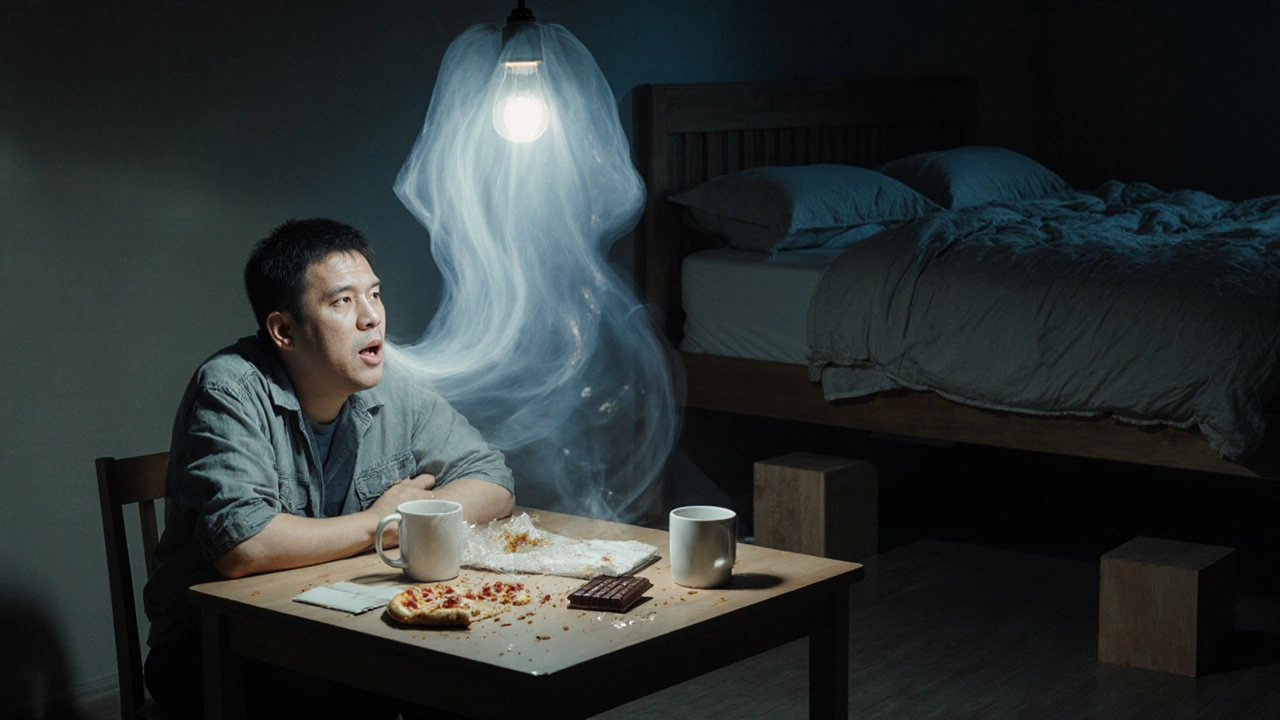
One big mistake? Eating right before bed. Lying down with a full stomach is like tipping a glass of water—it spills. Studies show that waiting at least three hours after your last meal before lying down cuts reflux episodes by half. Same goes for big meals. Eating smaller portions throughout the day keeps pressure off your lower esophageal sphincter, the muscle that’s supposed to keep acid where it belongs. And yes, coffee, chocolate, and citrus? They relax that muscle. You don’t have to quit them forever, but cutting back makes a real difference.
Weight matters too. Carrying extra weight around your middle pushes up on your stomach, forcing acid out. Losing just 10% of your body weight can slash symptoms dramatically. You don’t need a gym membership—walking 30 minutes a day, standing more, and avoiding slouching help more than you think. Smoking? It weakens that same muscle and reduces saliva, which normally neutralizes acid. Quitting doesn’t just help your lungs—it helps your chest.
Even your sleep position counts. Elevating the head of your bed by 6 to 8 inches—using blocks under the legs, not just extra pillows—keeps acid from creeping up while you sleep. Pillows alone don’t work; they bend your neck, not your stomach. And tight clothes? Skip the belts and skinny jeans after dinner. Pressure on your belly = more reflux.
These aren’t quick fixes. They’re habits. But they’re the ones doctors actually recommend before reaching for stronger drugs. And they work. People who stick with them report fewer nighttime awakenings, less burning, and fewer trips to the pharmacy. You’re not just treating symptoms—you’re changing the system that causes them.
Below, you’ll find real stories and science-backed tips from people who turned their GERD around—not with magic pills, but with simple, everyday choices. Some are about food. Others are about posture, timing, or how you breathe. All of them are practical. None of them require a prescription.
GERD Management: Diet, Lifestyle, and Acid Reflux Medications
Learn how to manage GERD with diet, lifestyle changes, and the latest medications. Discover what works, what doesn’t, and when surgery might be the right choice.