
Medication Affordability: How to Save on Prescriptions Without Sacrificing Quality
When it comes to medication affordability, the ability to access necessary drugs without financial hardship. Also known as drug cost access, it's not just about price—it's about whether you can actually keep taking your medicine month after month. Millions skip doses, split pills, or go without because the cost is too high. But here’s the truth: you’re not alone, and you don’t have to accept it.
Generic drugs, chemically identical versions of brand-name medications approved by health regulators. Also known as non-brand drugs, they work the same, cost up to 80% less, and are used by over 90% of prescriptions in the U.S. Yet, many people still think they’re weaker or less safe. That’s not science—it’s advertising. Brand-name companies spend billions convincing you their version is better, even though the active ingredient is exactly the same. Meanwhile, prescription costs, the out-of-pocket price patients pay for medications. Also known as drug pricing, continue to rise because of patent extensions, lack of price negotiation, and opaque pharmacy benefit manager practices. You don’t need a pharmacy degree to fight back. Knowing the difference between brand and generic is step one. Step two is learning where to find the best price—sometimes it’s at Walmart, sometimes at a mail-order pharmacy, and sometimes it’s just a phone call away.
Some medications, like brand name drugs, originally developed and marketed by pharmaceutical companies under a patent. Also known as proprietary drugs, are priced to recoup R&D costs, but once patents expire, the market shifts dramatically. That’s when generics enter, and prices drop fast. But not everyone knows when their drug went generic, or how to ask for it. And if you’re on a chronic medication—like a blood pressure pill, antidepressant, or allergy treatment—you’re paying more than you should, every single month. The good news? You can fix this. You can compare prices, switch to generics, ask about patient assistance programs, and even use discount cards that work at most pharmacies. The posts below show you exactly how: from how to spot hidden savings on drugs like Cymbalta and Clarinex, to why the Beers Criteria warn against overpaying for risky meds in older adults, to how advertising tricks you into choosing expensive options. You’ll see real examples of people who saved hundreds a year just by asking the right questions. No fluff. No jargon. Just what works.
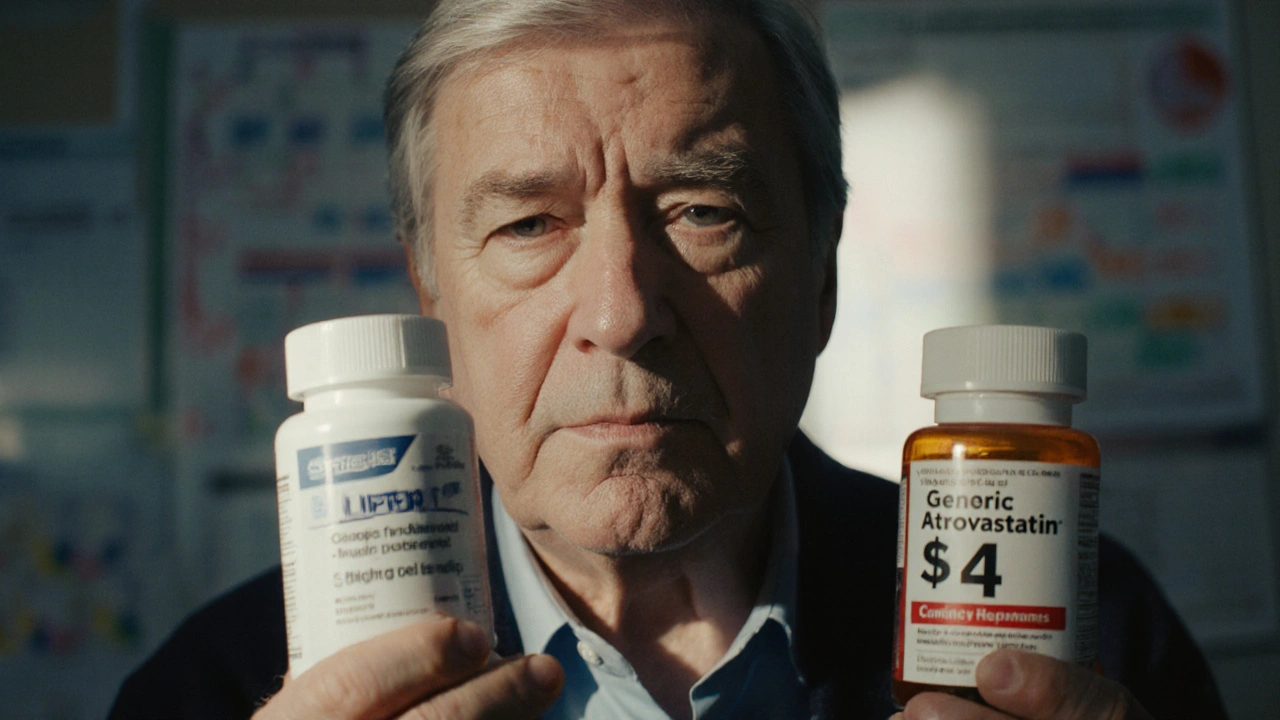
Why Switch to Generic Medications: Proven Reasons and Real Savings
Switching to generic medications saves money without sacrificing effectiveness. FDA-approved generics work the same as brand-name drugs and can cost up to 85% less. Learn why they’re safe, widely used, and the smart choice for most patients.