
Medication Potency: What It Means and Why It Matters for Your Health
When you hear medication potency, the strength or concentration of a drug that determines how much of it is needed to produce a desired effect. Also known as drug strength, it’s not just about how big the pill is—it’s about how much active ingredient it packs and how your body responds to it. A high-potency medication doesn’t mean it’s stronger than others in every way; it means it works at lower doses. That’s why a 10mg tablet of one drug might do the same job as a 100mg tablet of another. Potency is measured in milligrams, micrograms, or even nanograms per dose, and it’s tied directly to how well the drug binds to its target in your body.
Many people think generic drugs, medications that contain the same active ingredient as brand-name versions but are sold under their chemical name. Also known as non-brand medications, they are weaker because they cost less. That’s a myth. By law, generics must deliver the same medication potency as the brand-name version—within 80% to 125% of the original. The difference isn’t in strength; it’s in fillers, coatings, or how fast the pill breaks down. If your blood pressure drops too low after switching to a generic, it’s not because the drug is weaker—it could be because your body absorbs it differently. That’s why some people feel a difference, even when the potency is technically identical.
Then there’s dosage accuracy, the precision with which a medication is measured and delivered to ensure the right amount reaches the bloodstream. A small error in potency can lead to big problems. Too little, and the drug won’t work—like taking an antibiotic that doesn’t kill the infection. Too much, and you risk side effects: liver damage from statins, dizziness from blood pressure meds, or even seizures from stopping anticonvulsants too fast. That’s why pharmacies and manufacturers test batches for potency before they hit shelves. And why you should never split pills unless your doctor says it’s safe.
Some drugs are designed to be potent in very small amounts. Think of fentanyl patches or levothyroxine for thyroid replacement. A tiny change in potency here can throw your whole system off. Others, like ibuprofen or acetaminophen, have wider safety margins. But even then, potency matters. If you’re taking a lower-potency version because you’re trying to cut costs, you might not get relief. And if you’re doubling up because you think it’s not strong enough, you could overdose.
When you look at posts about nitrofurantoin and liver disease, hydrophilic vs lipophilic statins, or carbamazepine withdrawal, you’re seeing how potency plays out in real life. One person’s effective dose is another’s dangerous one. The same drug, same label, different body—potency isn’t one-size-fits-all. That’s why your doctor doesn’t just pick a drug; they pick the right strength for you, based on your weight, age, kidney function, and other meds you take.
What you’ll find in the collection below isn’t just a list of articles—it’s a practical guide to understanding how potency affects everything from your sleep to your heart. Whether you’re comparing Tadalista Super Active to other ED drugs, checking fenofibrate forms, or wondering why your generic Lipitor feels different, the answers all come back to one thing: how much of the drug actually gets into your system, and what it does once it’s there. You don’t need to be a pharmacist to get it. You just need to know what to ask.
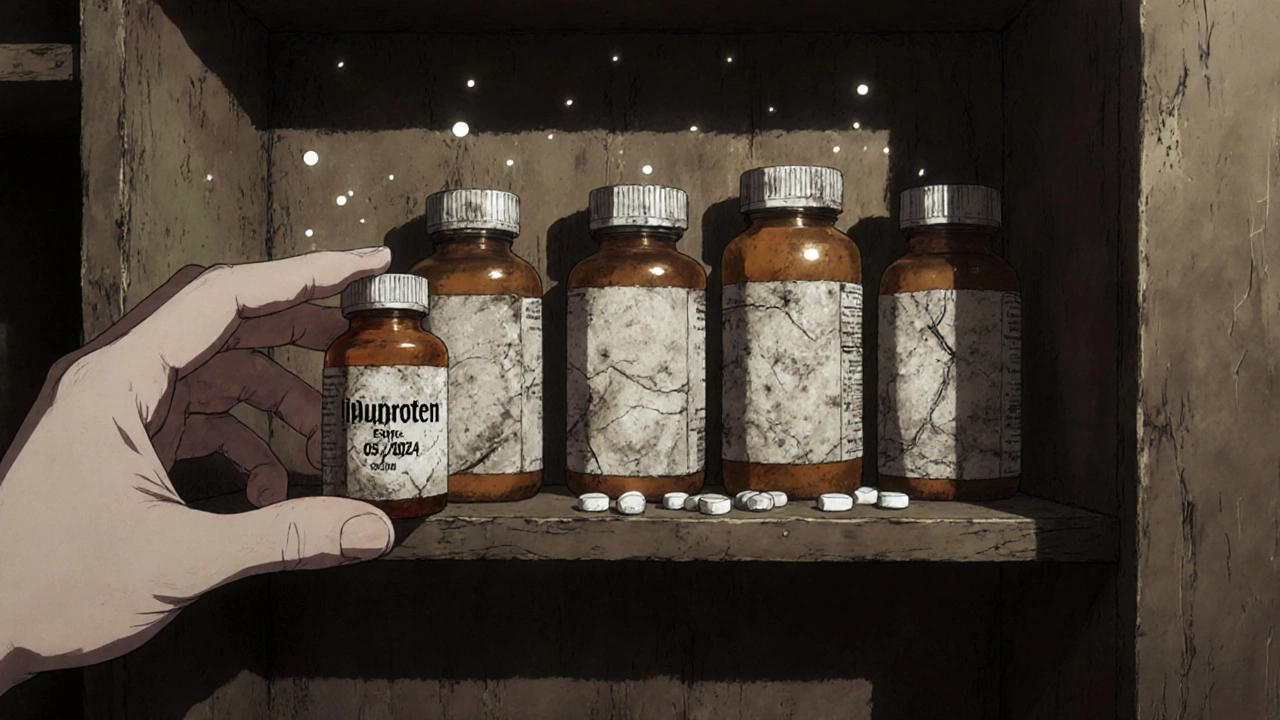
How Long Medications Actually Remain Effective After Expiration
Most medications remain effective years after their expiration date if stored properly. Learn which drugs are safe to use past expiration, which ones aren't, and why expiration dates aren't as scientific as you think.