
Prescription Drug Ads: What They Hide and What You Need to Know
When you see a prescription drug ad, a television or print promotion that markets a medication directly to patients. Also known as direct-to-consumer advertising, it’s a powerful tool that shapes how people ask for drugs their doctors may never have considered. These ads make drugs look simple, safe, and almost necessary—but they rarely mention the real risks, the cost, or the fact that many conditions they target can be managed without pills.
Behind every slick commercial is a pharmaceutical marketing, the industry’s strategy to drive demand for brand-name drugs. Companies spend billions each year on these ads because they work: patients who see them are far more likely to ask for the drug by name. But here’s the catch—doctors aren’t required to prescribe what’s advertised. Many of the drugs pushed hardest in ads are more expensive, no more effective, and sometimes riskier than generics or lifestyle changes. The medication safety, the practice of using drugs in a way that minimizes harm you’re told to trust? It’s often ignored in favor of sales targets.
These ads don’t show you the fine print: the nausea, the dizziness, the liver damage, the rare but deadly side effects buried in the 10-second disclaimer. They don’t tell you that prescription drug ads are banned in most countries—only the U.S. and New Zealand allow them. They skip over the fact that many conditions they promote—like mild anxiety, occasional back pain, or even normal aging—are not diseases needing a pill. And they never mention that the same drug might be listed in the Beers Criteria as something older adults should avoid, or that it could interact dangerously with other meds you’re already taking.
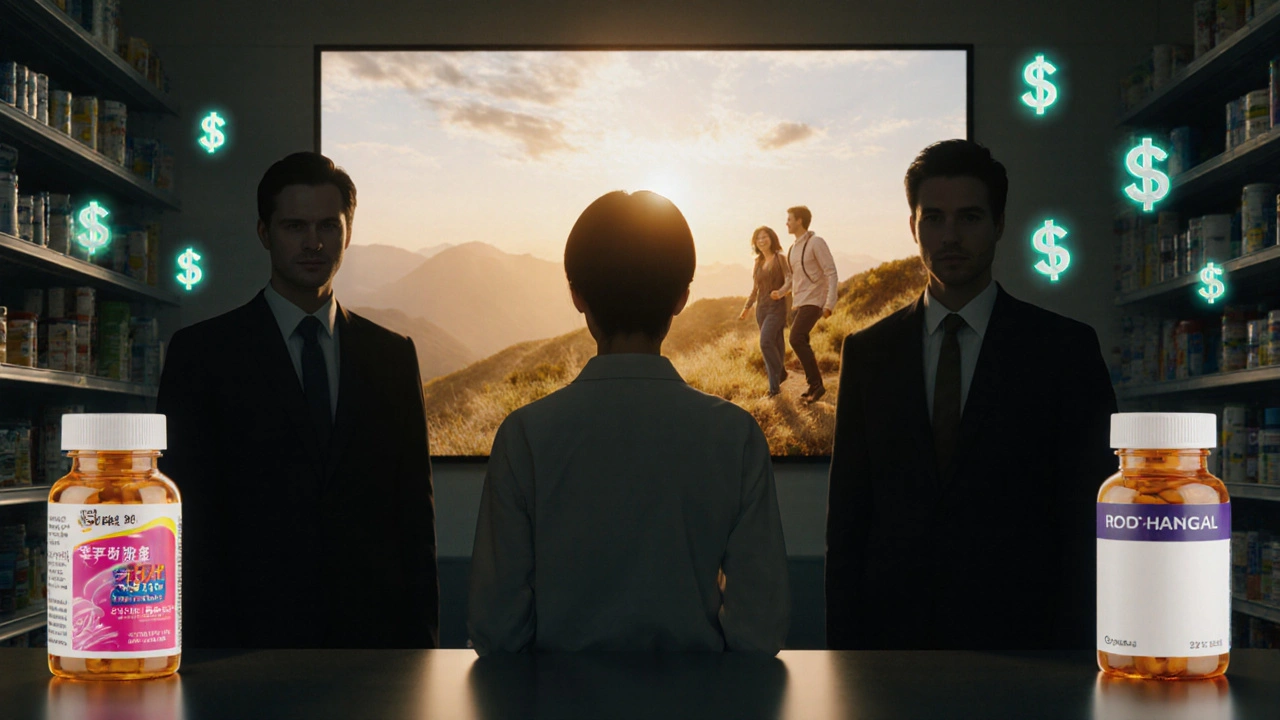
What you do see are happy people hiking, laughing, dancing—while the real users? They’re the ones reading about acitretin side effects, worrying about statin muscle pain, or trying to taper off carbamazepine because stopping cold turkey could trigger seizures. The ads don’t show you the nitrofurantoin and liver disease warnings, or how tizanidine can crush your libido. They don’t tell you that generic drugs work just as well for a fraction of the price, or that many conditions improve with sleep fixes, diet changes, or stress management—not another prescription.
These ads aren’t education—they’re entertainment designed to trigger desire. And while they make drugs seem like the only answer, the real health decisions happen in the exam room, not on TV. The posts below cut through the noise. You’ll find real comparisons of meds, honest breakdowns of risks, and clear advice on what to ask your doctor before you ever fill that prescription. No hype. No spin. Just what you need to know to stay safe and make smarter choices.
How Advertising Shapes Public Perception of Generic Medications
Advertising for brand-name drugs shapes patient and doctor perceptions, making generics seem less effective - even though they're chemically identical. Learn how marketing influences prescriptions and what you can do about it.