
Affordable Medications: Save Money Without Sacrificing Effectiveness
When you hear affordable medications, drugs that deliver the same health benefits as brand-name versions at a fraction of the cost. Also known as generic drugs, they're the backbone of modern prescription systems, making chronic disease management possible for millions who couldn’t otherwise afford treatment. The truth? affordable medications aren’t cheap because they’re weak—they’re cheap because they don’t need to pay for ads, fancy packaging, or years of research. The FDA requires them to work exactly like the brand-name version. Same active ingredient. Same dose. Same safety profile. Just no marketing hype.
It’s not magic—it’s science and policy. The Hatch-Waxman Act, a 1984 law that created the modern generic drug approval system opened the door for competition. Now, over 90% of U.S. prescriptions are filled with generics. Companies like TRICARE and Medicare Part D rely on them to keep costs down for military families and seniors. And if you’ve ever wondered why your doctor asks if you’re open to switching, it’s because they know: generic substitution, the practice of swapping a brand-name drug for its generic equivalent is safe for most people. There are exceptions—like seizure meds or blood thinners—where tiny differences matter. But for high blood pressure, cholesterol, diabetes, allergies, and depression? Generics are the standard.
Still, many people think generics are second-rate because of how they’re marketed. Big pharma spends billions on TV ads that make you believe the brand-name version is superior. But the pills in your hand? Identical. The only difference is the price tag—often 80% lower. Some patients even report better outcomes after switching, because they finally stick with their treatment instead of skipping doses due to cost. And if you’re on a fixed income, using generics isn’t just smart—it’s life-changing.
What you’ll find below are real stories and facts about how affordable medications work, who uses them, and why they’re not just a budget option—they’re the smart choice. From how TRICARE handles generics to why some combination drugs still cost too much, these posts cut through the noise. You’ll learn how to spot a good generic, when to ask your doctor about alternatives, and how expiration dates and black box warnings affect what you pay and what you get. No fluff. Just what matters when your wallet and your health are on the line.
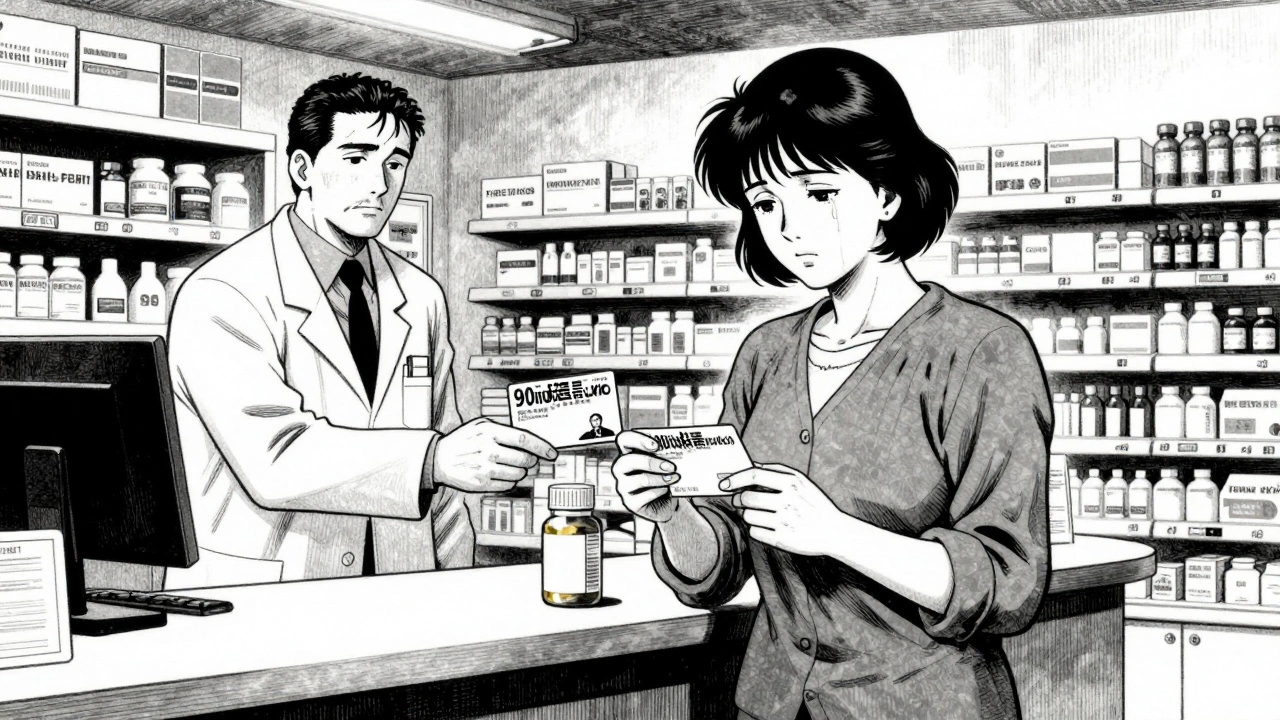
Prescription Assistance Programs: How Drug Makers Help You Pay for Medications
Prescription assistance programs from drug manufacturers help millions pay for expensive medications. Learn how copay cards and PAPs work, who qualifies, and how to apply-without insurance or with Medicare.