
Albuterol: What It Is, How It Works, and What You Need to Know
When your lungs tighten up and breathing feels impossible, albuterol, a fast-acting bronchodilator used to relieve acute breathing problems. Also known as salbutamol, it’s one of the most prescribed medications for asthma and COPD worldwide. It doesn’t cure anything—it doesn’t reduce inflammation or prevent attacks. But when you’re gasping for air, albuterol works in minutes to relax the muscles around your airways, letting you breathe again. That’s why it’s called a rescue inhaler.
Albuterol is part of a class of drugs called beta-2 agonists. These drugs target receptors in the lungs, triggering a chain reaction that opens up narrowed bronchial tubes. It’s not a steroid. It’s not an antibiotic. It’s not meant for daily use unless your doctor says so. People with asthma often keep it in their bag, car, or desk drawer—not because they’re paranoid, but because sudden attacks can happen without warning. A sudden cough, cold air, exercise, or even stress can trigger a flare-up. Albuterol is the quick fix that keeps people moving.
But it’s not perfect. Shaky hands, fast heartbeat, or nervousness after using it? That’s normal for many. It’s not a sign you’re doing something wrong—it’s how the drug affects your body. Still, if your heart races for hours, or you need to use it more than every 4–6 hours, something’s off. That’s when you call your doctor. Overuse can mask worsening lung disease, and relying on albuterol alone without a maintenance inhaler is like putting a bandage on a leaky pipe.
Albuterol often shows up in the same conversations as asthma treatment, a long-term approach to managing chronic airway inflammation, and COPD medication, a group of drugs used to manage chronic obstructive pulmonary disease. It’s rarely used alone. Most people on albuterol also take daily controller meds like inhaled corticosteroids. If you’re only using albuterol, you’re not fully managing your condition. And if you’re using it every day, you might need a different plan.
It also ties into rescue inhaler, a portable device delivering fast-acting bronchodilators during acute breathing episodes safety. Not all inhalers are the same. Some are metered-dose, others are dry powder. Some need spacers. Using it wrong means you’re not getting the full dose—even if you think you are. Many people think they’re using it right until they track how often they refill it and realize they’re using it way too much.
You’ll find posts here that dig into serious drug alerts, side effects like swelling from meds, and how generics compare to brand names. Albuterol itself has generic versions that work just as well—and cost far less. But knowing how to use it matters more than the price tag. It’s not just a pill or an inhaler. It’s a tool that can mean the difference between staying active and being stuck at home. Use it right, and it gives you your life back. Use it wrong, and it might hide a bigger problem.
Below, you’ll find real-world insights from people who’ve used albuterol, doctors who’ve prescribed it, and studies that show how it fits into broader lung health. Whether you’re new to it or have been using it for years, there’s something here that can help you use it better, safer, and smarter.
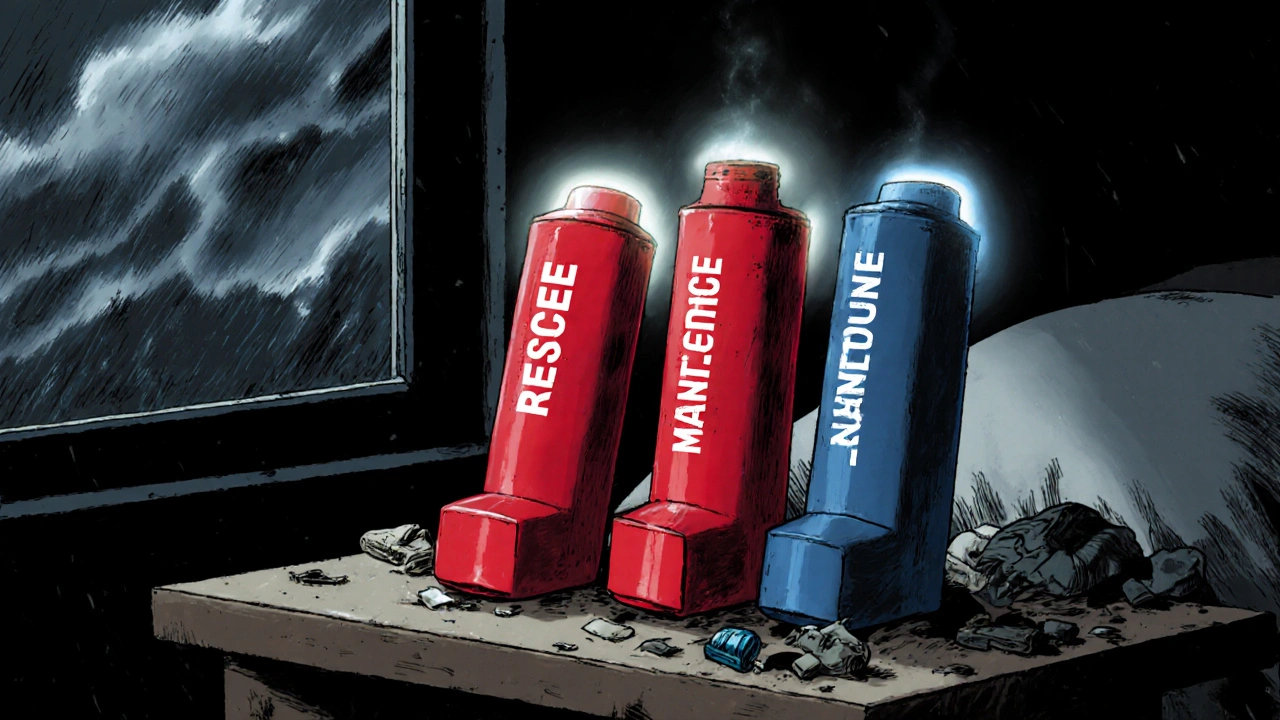
Inhalers Explained: Rescue Inhalers vs. Maintenance Inhalers
Rescue inhalers give quick relief during asthma attacks, while maintenance inhalers prevent symptoms by reducing lung inflammation. Knowing the difference can save your life.