
Copay Assistance: How to Lower Your Prescription Costs
When you pick up a prescription, copay assistance can mean the difference between taking your medicine and skipping it. It’s not insurance, but it works like a discount card built for people who need help paying out-of-pocket. Many drugmakers, nonprofits, and even pharmacies run these programs to make sure patients don’t stop treatment because of cost. This isn’t just for expensive brand-name drugs—some generics have copay assistance too, especially if they’re used for long-term conditions like diabetes, high blood pressure, or autoimmune diseases.
Prescription costs, the amount you pay at the pharmacy after insurance applies. Also known as patient out-of-pocket expense, it’s what makes even affordable meds feel unmanageable when you’re on a tight budget. Generic drugs, chemically identical to brand-name versions but often 80% cheaper. Also known as non-brand medications, they’re the backbone of affordable care in the U.S.—but even generics can have high copays if they’re newer, complex, or used for rare conditions. Insurance savings, the reduction in what you pay because your plan covers part of the cost. Also known as cost-sharing, it’s the reason you might pay $10 instead of $100—but sometimes even $10 is too much. These three things are connected: copay assistance fills the gap when insurance savings aren’t enough, and generic drugs are often the first place to look for help.
TRICARE, for example, covers 92% of prescriptions as generics with $0 copays at military pharmacies. But if you’re not on a military plan, your insurer might charge $20, $50, or even $100 for a monthly refill—even for a generic. That’s where copay assistance programs step in. Some offer $0 copays for up to a year. Others give you a card that cuts your cost by half. You don’t need to be poor to qualify—many programs only ask that you have insurance and aren’t on government programs like Medicare Part D.
And it’s not just about the drug itself. The copay assistance you get depends on the condition you’re treating. If you’re on a medication for multiple sclerosis, rheumatoid arthritis, or hepatitis C, there’s a high chance the manufacturer offers support. But if you’re taking a common generic like metformin or lisinopril, you might need to check with your pharmacy or local nonprofit. Some hospital systems and community health centers have their own drug assistance funds, especially for people with low income or no insurance.
Don’t assume you’re on your own. Many patients never ask because they think it’s too complicated or they don’t qualify. But the truth is, these programs are designed to be easy. You fill out a quick form, get a card or voucher, and present it at the pharmacy. Some even auto-renew. The key is to ask your doctor, pharmacist, or the drugmaker’s patient support line. You’d be surprised how often they already have the solution ready.
Below, you’ll find real stories and guides on how people save money on prescriptions—whether they’re using generics, navigating TRICARE, dealing with black box warnings, or managing side effects. These aren’t theoretical tips. They’re what real patients did to make their meds affordable. And if you’re paying too much right now, one of these posts might be the fix you’ve been looking for.
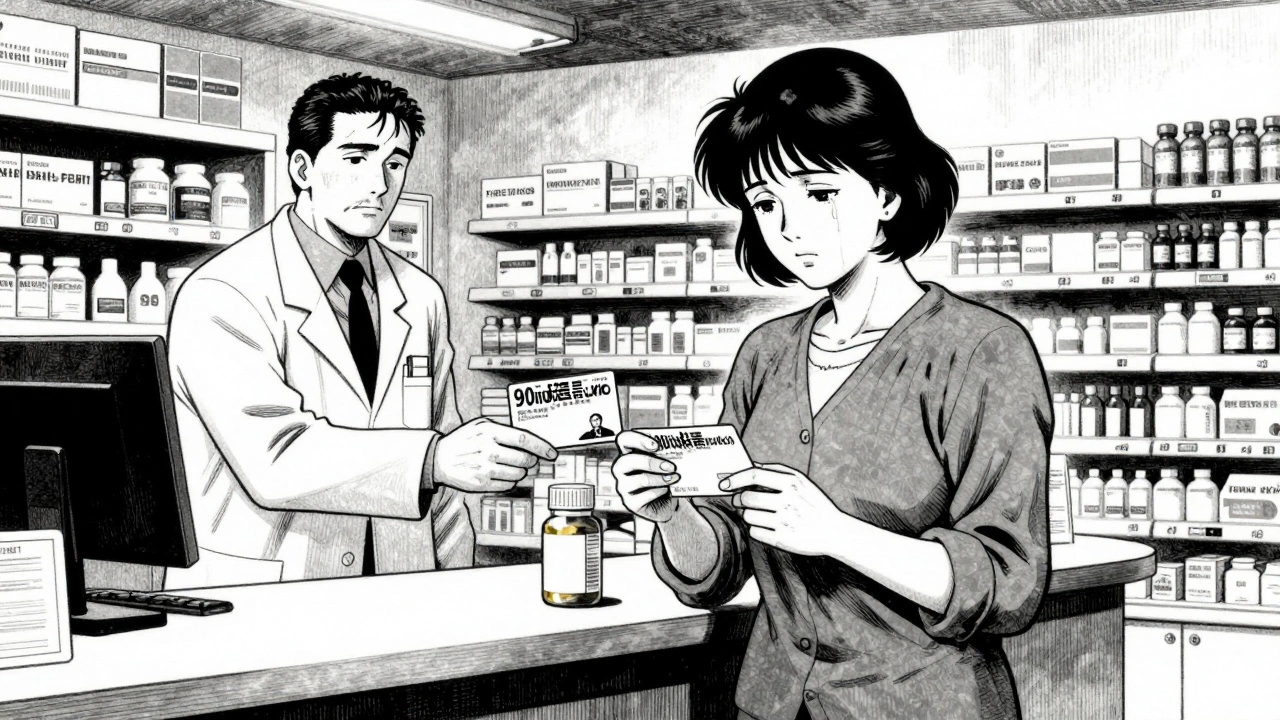
Prescription Assistance Programs: How Drug Makers Help You Pay for Medications
Prescription assistance programs from drug manufacturers help millions pay for expensive medications. Learn how copay cards and PAPs work, who qualifies, and how to apply-without insurance or with Medicare.