
Cost Savings on Medications: How to Save Without Sacrificing Quality
When it comes to cost savings, the reduction in spending on prescription drugs through smarter choices and informed decisions. Also known as drug savings, it’s not about skipping meds—it’s about choosing the right ones at the right price. Millions of people pay far more than they need to because they don’t know generics are just as effective as brand-name drugs. In fact, the FDA requires them to have the same active ingredients, strength, and performance. The only real difference? Price. Generic drugs can cost 80% less, and they save patients and insurers billions every year.
But generic drugs, pharmaceutical products that are chemically identical to brand-name versions but sold without the marketing costs. Also known as off-patent medications, they’re often overlooked because of misleading ads that make people believe brand names work better. That’s not true. A 2022 study by the Government Accountability Office found no meaningful difference in effectiveness between generics and brand-name drugs for conditions like high blood pressure, depression, and allergies. Yet, many doctors still default to prescribing the pricier version—and patients rarely ask for the cheaper alternative. Meanwhile, prescription costs, the amount paid out-of-pocket or through insurance for medications. Also known as drug pricing, they’ve climbed over 10% annually in the last five years, making it harder for people to afford even basic treatments. The good news? You can fight back. Knowing when to use expired meds (if stored right), comparing prices across pharmacies, and asking about patient assistance programs all add up to real savings.
And it’s not just about picking generics. Some medications, like brand name drugs, originally developed and marketed by pharmaceutical companies under a patent. Also known as proprietary drugs, they often come with heavy advertising that convinces people they’re superior. But advertising doesn’t make them better—it just makes them more expensive. The same active ingredient in Clarinex is in its generic form, desloratadine. The same goes for Cymbalta and duloxetine. You’re not getting extra power—you’re paying for the logo. Even something as simple as switching from a brand-name statin to a generic version can save you hundreds a year. And if you’re on long-term meds, those savings stack up fast.
What you’ll find below is a collection of real, practical guides that show you exactly how to cut costs without cutting corners. From understanding why expiration dates aren’t as strict as you think, to spotting the hidden tricks in pharmaceutical marketing, these posts give you the tools to take control. You’ll learn how to compare generic and brand-name options side by side, how to spot when a cheaper alternative works just as well, and how to avoid being sold on hype instead of science. This isn’t about cutting corners—it’s about being smart with your health and your money.
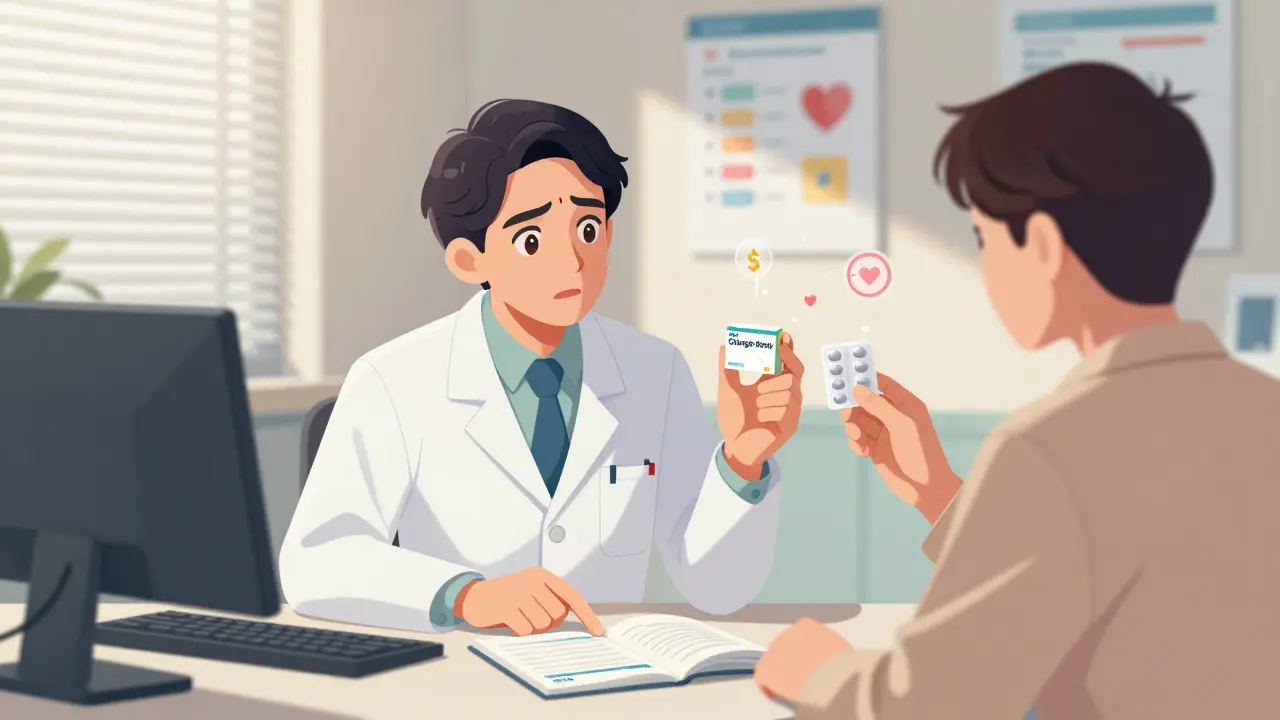
Workplace Wellness Programs: How Pharmacists Drive Generic Medication Use
Pharmacists play a key role in workplace wellness by promoting generic medications to improve adherence, cut costs, and boost employee health. Learn how they use MTM, FDA guidelines, and patient education to make generics work.
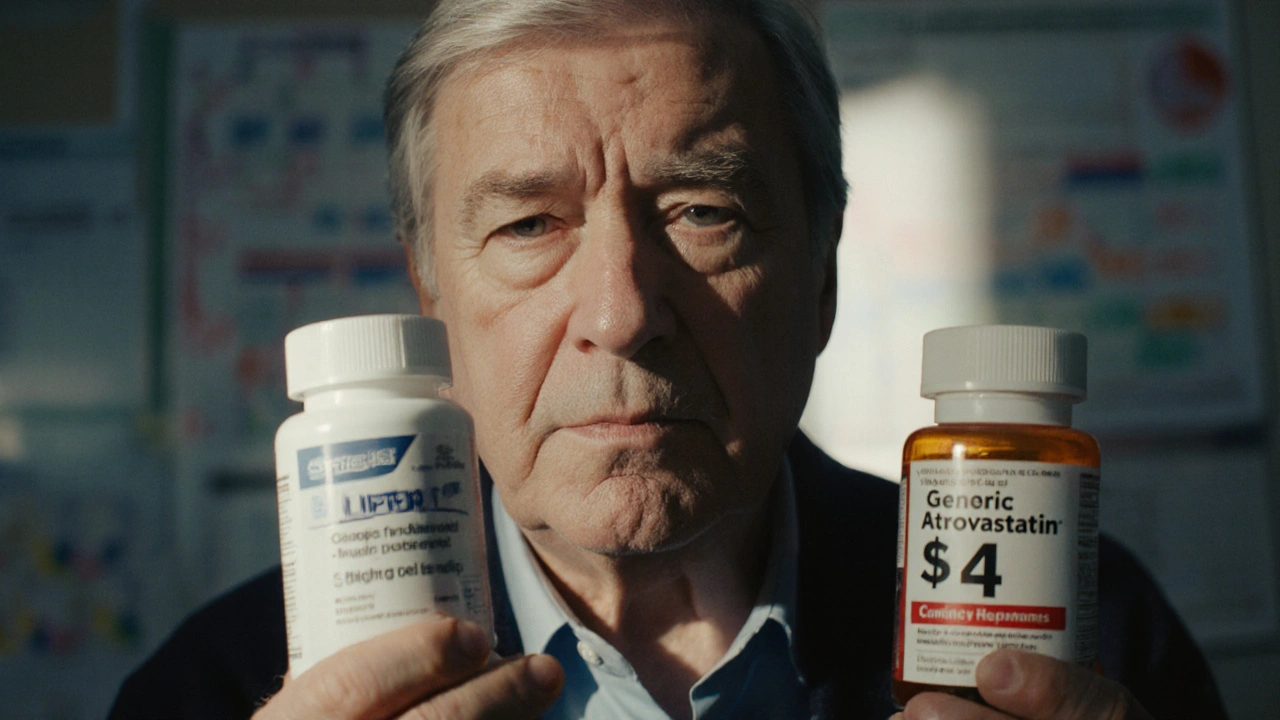
Why Switch to Generic Medications: Proven Reasons and Real Savings
Switching to generic medications saves money without sacrificing effectiveness. FDA-approved generics work the same as brand-name drugs and can cost up to 85% less. Learn why they’re safe, widely used, and the smart choice for most patients.