
Delayed Sleep Phase Disorder: Causes, Signs, and What Works
When your body insists on sleeping at 3 a.m. and waking at 11 a.m., even when you try to change it, you might be dealing with delayed sleep phase disorder, a circadian rhythm disorder where the body’s internal clock is shifted hours later than typical. Also known as delayed sleep-wake phase disorder, it’s not laziness or poor discipline—it’s a biological mismatch between your internal clock and the world’s schedule. People with this condition aren’t choosing to stay up late; their brains simply don’t feel sleepy until much later, and they can’t force themselves to fall asleep earlier, no matter how tired they are.
This disorder often starts in adolescence and can stick around for years. It’s tied to your circadian rhythm, the 24-hour biological cycle that regulates sleep, hormones, and body temperature. Light exposure, especially blue light from screens at night, pushes it even later. Meanwhile, not getting bright morning light makes it harder to reset. It’s not just about sleep—it affects school, work, relationships, and mental health. Many people with this disorder are misdiagnosed with insomnia or depression because they’re exhausted from trying to fit into a 9-to-5 world.
What helps? chronotype, your natural tendency to be more alert at certain times of day plays a big role. Some people are naturally night owls—and that’s okay, if they can adjust their lifestyle. But for those stuck in rigid schedules, treatments like timed light therapy, melatonin taken hours before desired bedtime, and strict sleep hygiene can shift the clock slowly. It’s not a quick fix. It takes weeks, consistency, and patience. You won’t find a pill that magically fixes it, but small, science-backed habits can make a real difference.
Below, you’ll find real patient experiences and practical guides on managing this condition—whether you’re struggling with school start times, shift work, or just never feeling rested. These posts don’t offer quick fixes. They give you the tools to understand your rhythm, work with it, and reclaim your energy.
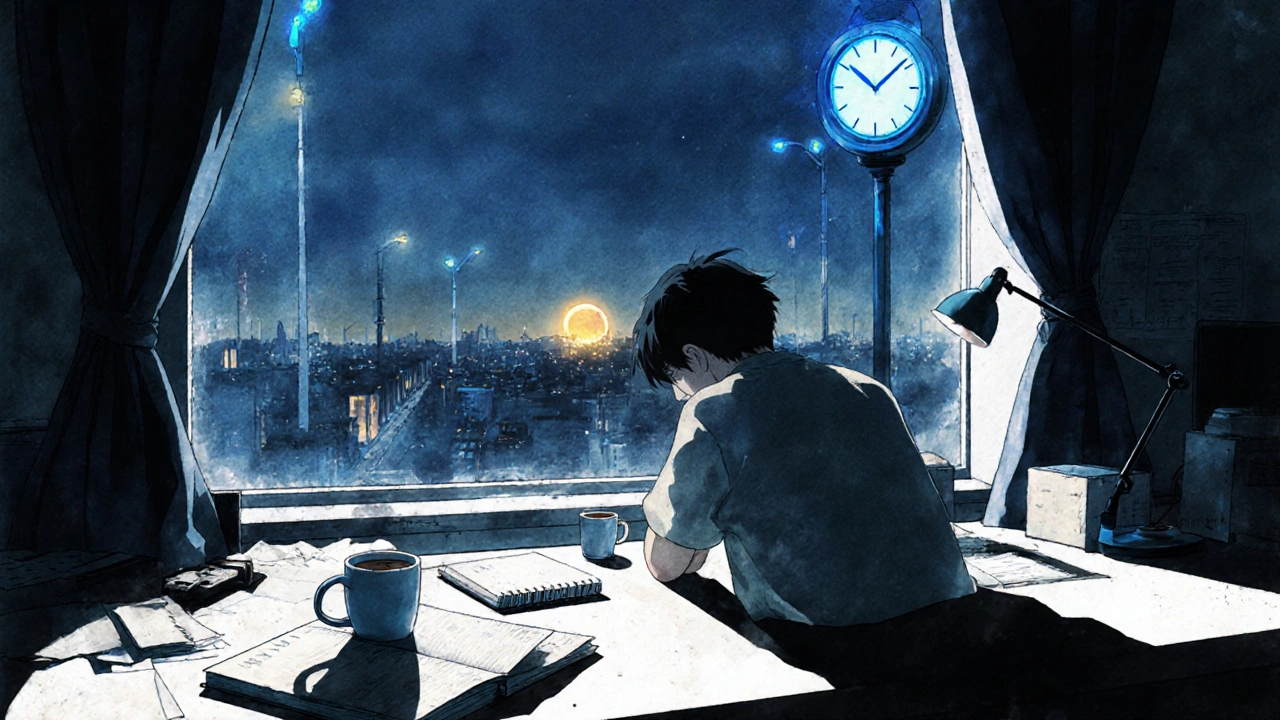
Circadian Rhythm Disorders: Jet Lag and Delayed Sleep Phase Disorder Explained
Jet lag and delayed sleep phase disorder are circadian rhythm disorders that disrupt sleep timing. Learn how light, melatonin, and schedule consistency can reset your body clock and improve energy, focus, and health.