
Drug Patents Explained: How They Shape Access, Cost, and Generic Medicines
When you hear drug patents, legal protections that let pharmaceutical companies be the only ones to sell a new medicine for a set time. Also known as pharmaceutical exclusivity, these patents are the reason brand-name drugs cost so much—and why cheaper versions don’t show up right away. Without them, companies wouldn’t spend billions developing new pills. But once the patent runs out, generics can enter, and prices often drop by 80% or more.
Generic drugs, medicines that contain the same active ingredient as brand-name drugs but cost far less are the direct result of patent expiration. The FDA approval, the process that ensures generics are just as safe and effective as the original doesn’t start until the patent expires. That’s why you’ll see a gap between when a drug launches and when you can buy a cheaper version. Some patents are extended through legal loopholes, delaying generics for years—even when the science hasn’t changed.
Drug patents also shape what treatments are available. Complex generics—like inhalers or injectables—face extra hurdles because they’re harder to copy. That’s why some drugs, even after their patent ends, still don’t have affordable alternatives. Meanwhile, patients relying on medications like EpiPens or insulin often pay more than they should because patent strategies keep competitors out. The same system that rewards innovation can also block access.
Understanding drug patents helps you make smarter choices. If your prescription is expensive, check if a generic is available—or if the patent is about to expire. Many patients don’t realize their insurer might cover a generic version that’s just as effective. Prescription assistance programs and pharmacy discount cards can help in the meantime, but the real savings come when patents expire and competition kicks in.
This collection covers everything from how the Hatch-Waxman Act changed the generic drug landscape to why some medications still cost hundreds of dollars even after their patent runs out. You’ll find real examples of how patents affect daily life—from asthma inhalers to cancer drugs—and what’s being done to fix the system. Whether you’re paying out of pocket, on Medicare, or using TRICARE, knowing how patents work gives you power over your healthcare costs.
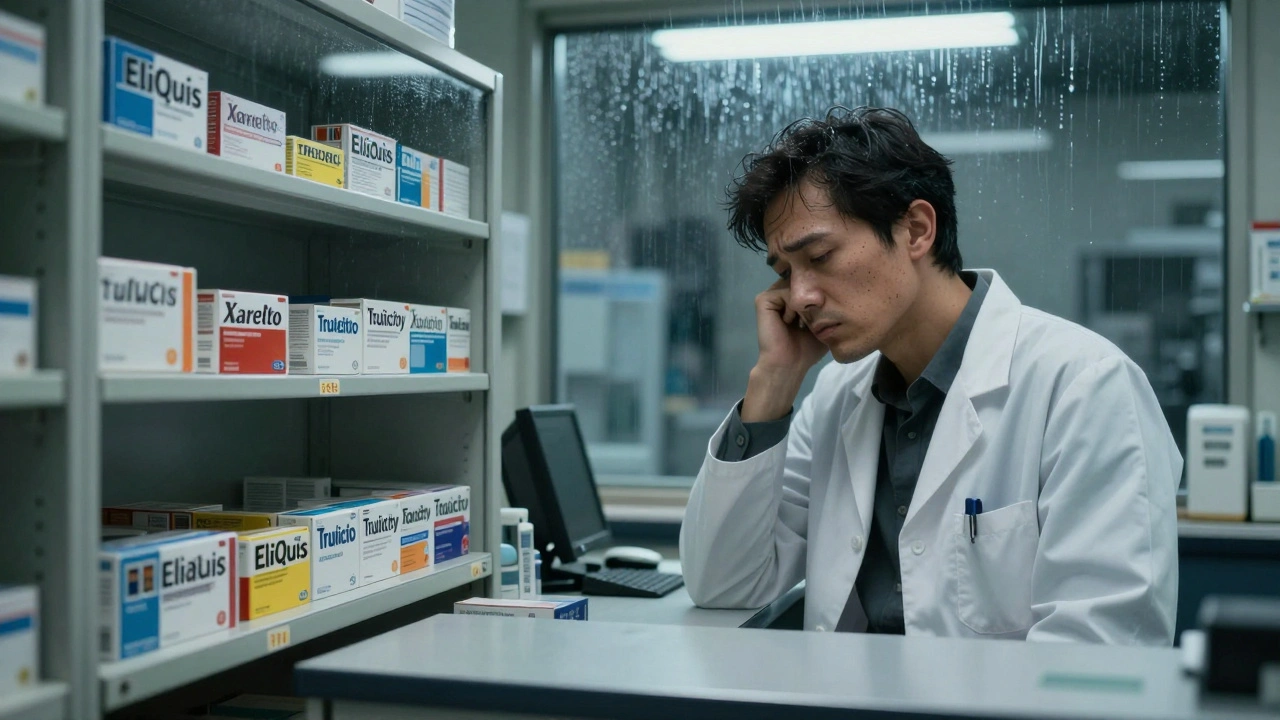
Recent Patent Cases and Generic Delays: 2023-2025 Examples
Despite FDA approval, generic drugs in the U.S. face average delays of 3.2 years before reaching patients due to patent litigation. From 2023 to 2025, brand-name companies used patent thickets to extend monopolies, costing Medicare billions and leaving patients without affordable options.