
Generic Drug Delays: Why Cheaper Medicines Take Longer to Reach Patients
When you hear generic drug delays, the slowdown in bringing affordable versions of brand-name drugs to market. Also known as generic approval bottlenecks, it’s not about whether these drugs work—they do. It’s about why they don’t show up on pharmacy shelves when they should. The FDA approves hundreds of generics every year, but for some drugs, the wait can stretch to years—even when the patent expires. This isn’t random. It’s tied to complex science, unclear rules, and a supply chain that’s stretched thin.
One major reason? Complex generic drugs, medications with intricate formulations like injectables, inhalers, or topical gels. These aren’t simple pills you can copy with a basic lab setup. They require precise manufacturing, advanced testing, and proof that they behave the same in the body as the brand. The ANDA pathway, the FDA process for approving generics. Also known as Abbreviated New Drug Application, it’s designed to be faster than full clinical trials—but for complex drugs, it’s become a maze. Companies skip these because the cost to prove bioequivalence can hit millions, and the payoff is slim when multiple manufacturers eventually enter the market and drive prices down. Meanwhile, drug supply chain, the global network of raw material suppliers, manufacturers, and distributors. Also known as pharmaceutical supply network, it’s vulnerable to disruptions. A single factory in India or China that gets shut down for inspection can delay dozens of generics at once. And when the FDA can’t inspect facilities overseas due to travel bans or staffing issues, approvals freeze. Even when a generic is approved, generic substitution, the practice of pharmacies swapping brand-name drugs for cheaper versions. Also known as therapeutic substitution, it’s not automatic. Some doctors won’t allow it for drugs with narrow therapeutic indices—like seizure meds or blood thinners—because tiny differences in absorption can cause real harm. So even if the generic is sitting in a warehouse, it might not reach the patient who needs it.
These delays aren’t just inconvenient—they cost lives. People skip doses because they can’t afford the brand. Others switch to less effective treatments. And while the generic drug delays are frustrating, the good news is that awareness is growing. More pressure is being put on the FDA to streamline reviews, and some new policies are starting to help. What you’ll find below are real stories and breakdowns of why this happens, how it affects you, and what’s changing in 2025. From TRICARE’s coverage rules to the hidden science behind combination products, these posts cut through the noise and show you exactly where the system is stuck—and how to navigate it.
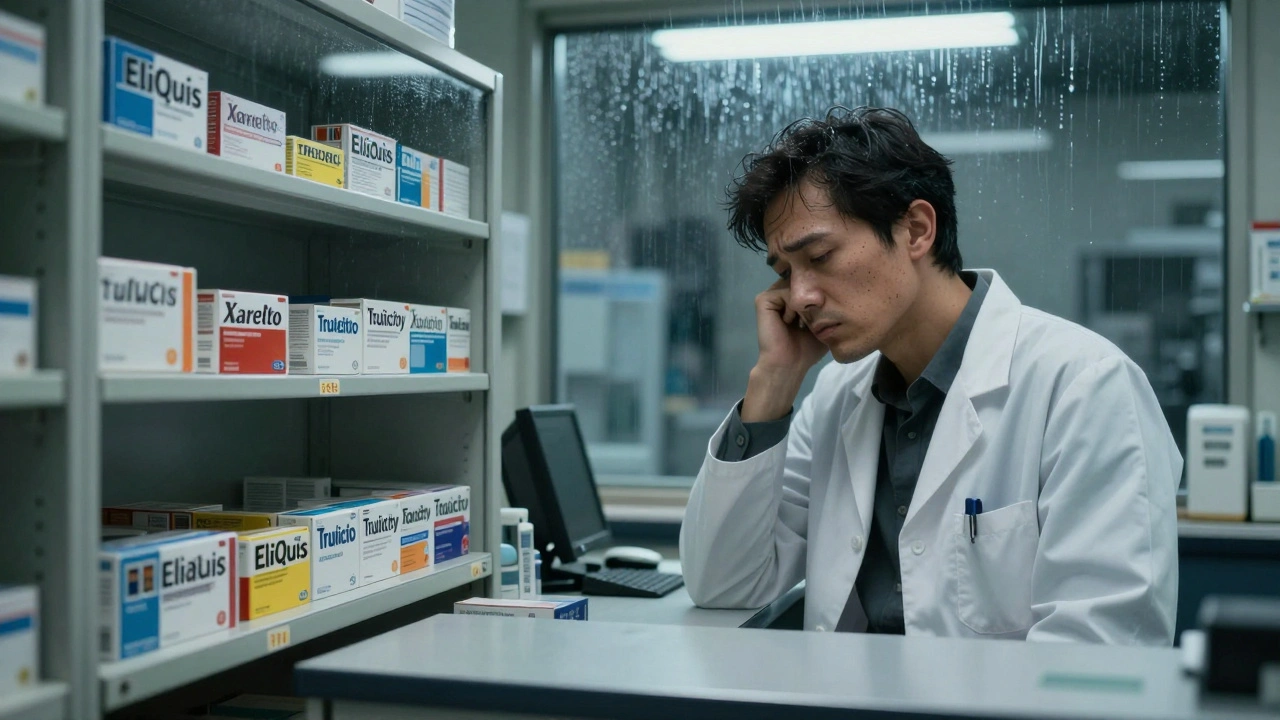
Recent Patent Cases and Generic Delays: 2023-2025 Examples
Despite FDA approval, generic drugs in the U.S. face average delays of 3.2 years before reaching patients due to patent litigation. From 2023 to 2025, brand-name companies used patent thickets to extend monopolies, costing Medicare billions and leaving patients without affordable options.