
Generic Market Entry: How Cheaper Drugs Reach Patients and Why It Matters
When we talk about generic market entry, the process by which lower-cost versions of brand-name drugs become available to the public. Also known as generic drug launch, it’s the moment a drug stops being exclusive to one company and opens up to competition—driving prices down and making treatment accessible to millions. This isn’t just business. It’s healthcare equity. Every time a generic enters the market, patients pay less. Insurers pay less. And the system saves billions—over $300 billion a year in the U.S. alone.
But generic market entry isn’t simple. It’s blocked by legal battles, complex science, and regulatory delays. For some drugs, especially those with tricky formulas or delivery systems—like inhalers, patches, or injectables—the path to approval is long and expensive. The FDA approval, the federal process that verifies a generic drug is as safe and effective as the brand-name version. Also known as ANDA pathway, it’s the gatekeeper. Even if a company makes a perfect copy, the FDA needs proof that it works the same way in the body. That’s called bioequivalence. And for complex drugs, proving that can take years. That’s why some generics never make it to market, even when patients need them.
Then there’s drug pricing, how much a medication costs to produce and sell, shaped by competition, patents, and market control. Also known as pharmaceutical cost structure, it’s the engine behind why generics are cheaper. Brand-name drugs cost a fortune to develop—so companies charge high prices to recoup costs and make profits. Once the patent expires, generics don’t need to repeat those expensive trials. They just need to prove they match the original. That’s why they cost up to 85% less. But pricing doesn’t always drop right away. Sometimes, only one or two companies enter the market at first. Prices stay high until more competitors join. That’s why the number of companies entering the generic market matters as much as the entry itself.
And then there’s generic substitution, when a pharmacist swaps a brand-name drug for its generic version at the pharmacy counter. Also known as therapeutic substitution, it’s the final step in making savings real for patients. Doctors and pharmacists can do this unless the prescription says "dispense as written." But not all doctors trust it. For drugs like seizure meds or blood thinners, where tiny differences can matter, some hesitate. That’s why medical societies have guidelines—some support substitution, others urge caution. It’s not about safety. It’s about control, perception, and history.
What you’ll find below are real stories from the front lines of this system. How expired inhalers get disposed of safely. Why TRICARE covers 92% of prescriptions as generics. How advertising tricks people into thinking brand-name drugs work better—even when they don’t. Why some combination products are stuck in regulatory limbo. And how the Hatch-Waxman Act changed everything back in 1984, setting the stage for today’s affordable drug landscape.
This isn’t theory. It’s your prescription. Your copay. Your health. And it’s all connected to generic market entry—whether you realize it or not.
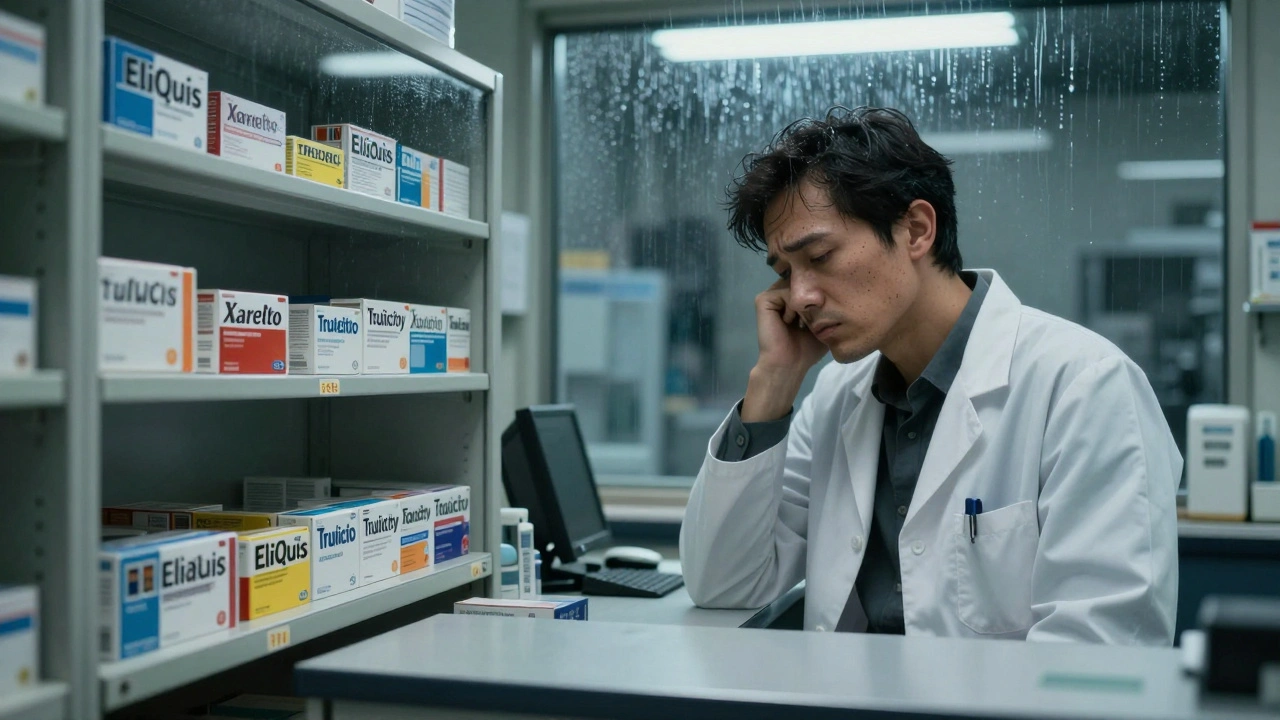
Recent Patent Cases and Generic Delays: 2023-2025 Examples
Despite FDA approval, generic drugs in the U.S. face average delays of 3.2 years before reaching patients due to patent litigation. From 2023 to 2025, brand-name companies used patent thickets to extend monopolies, costing Medicare billions and leaving patients without affordable options.