
ICI Side Effects: What You Need to Know About Immunotherapy Reactions
When your body’s immune system is turned up to fight cancer, it can sometimes turn on your own tissues. That’s the core risk behind ICI side effects, adverse reactions caused by immune checkpoint inhibitors used in cancer treatment. Also known as immune-related adverse events, these reactions happen because drugs like pembrolizumab or nivolumab remove the brakes on your immune system—helping it attack tumors, but sometimes also damaging healthy organs. Unlike chemo, which hits fast-growing cells, ICI side effects come from immune overactivity. That’s why they show up in places you wouldn’t expect: skin rashes, colitis, thyroid problems, even lung inflammation.
These reactions don’t always show up right away. Some appear weeks after starting treatment. Others crop up months later, even after you’ve finished your last dose. That’s why tracking symptoms matters long after treatment ends. The most common ones? Fatigue, rash, and diarrhea. But the scary ones—like hepatitis, pneumonitis, or adrenal failure—can sneak up fast. If you’re on an ICI drug and feel unusually tired, have persistent stomach pain, or notice your breathing getting harder, don’t wait. These aren’t just side effects. They’re signals your immune system is out of balance.
Doctors now have protocols to manage these reactions. Steroids are the first line. But catching them early is the key. That’s why patients on immunotherapy are told to report even small changes. A new itch, a dry cough, a change in urine color—these aren’t trivial. They’re clues. And the more you know about what to watch for, the better your chances of staying on treatment without serious complications.
Below, you’ll find real-world insights from posts that break down what these reactions look like, how they’re diagnosed, and how they compare to other drug side effects. Some posts cover how ICI side effects differ from chemo. Others show how they’re managed in older patients or those with pre-existing conditions. You’ll see what doctors actually look for, what tests they order, and when to push back if something feels off. This isn’t theoretical. It’s what people on these drugs experience—and what their care teams have learned the hard way.
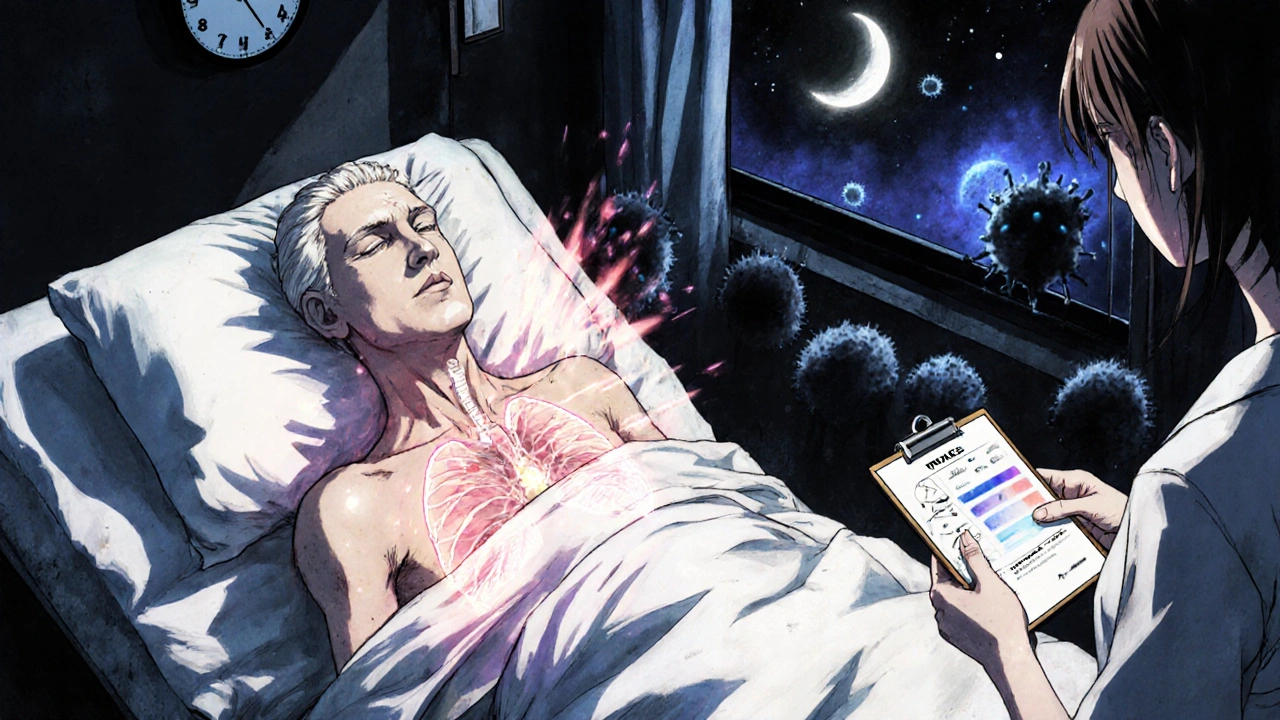
Immune-Related Adverse Events: How to Recognize and Treat irAEs in Cancer Patients
Learn how to recognize and treat immune-related adverse events (irAEs) caused by cancer immunotherapy. Understand symptoms, grading, steroid use, second-line treatments, and why early action saves lives.