
Inappropriate Medications: When Safe Drugs Become Dangerous
When a medication is prescribed without considering your full health picture, it stops being treatment and starts being a risk. An inappropriate medication, a drug that causes more harm than benefit due to patient-specific factors like age, existing conditions, or other drugs isn’t always a banned or illegal substance—it’s often a perfectly legal pill that’s simply wrong for you. This happens more often than you think. Nitrofurantoin, for example, is a common antibiotic for urinary infections, but it can trigger liver damage in people with existing liver disease. Tizanidine helps with muscle spasms, but for some, it quietly lowers libido or causes erectile dysfunction. These aren’t rare side effects—they’re predictable outcomes when the wrong person gets the right drug.
Drug interactions, the dangerous overlap between two or more medications that changes how they work in the body are one of the biggest causes of inappropriate prescriptions. Avanafil, used for erectile dysfunction, can crash blood pressure when mixed with certain antidepressants. Carbamazepine, an anti-seizure drug, can become toxic if stopped too fast—leading to seizures, mood swings, or worse. Even common drugs like statins aren’t one-size-fits-all. Hydrophilic and lipophilic statins behave differently in the body, and choosing the wrong one can mean more muscle pain, more doctor visits, or even hospitalization. And then there’s the hidden problem: medication misuse, using a drug outside its approved purpose, like taking acitretin for eczema without understanding its severe risks. Acitretin isn’t a first-line eczema treatment, but it’s sometimes pushed as a miracle fix. It’s powerful—but it can cause birth defects, liver damage, and extreme dryness. Using it without strict monitoring isn’t treatment. It’s dangerous.
These aren’t edge cases. They’re patterns. The posts below show how common drugs like Bentyl, Clarinex, Spironolactone, and Voriconazole can turn risky when used in the wrong context. You’ll see how advertising makes people believe generics are weaker, how expiration dates don’t tell the whole story, and why a go-bag full of meds can be a lifesaver—or a liability if not packed right. This isn’t about fear. It’s about awareness. If you take more than one medication, have a chronic condition, or are over 65, you’re at higher risk. The goal isn’t to avoid meds—it’s to make sure the ones you take are truly right for you.
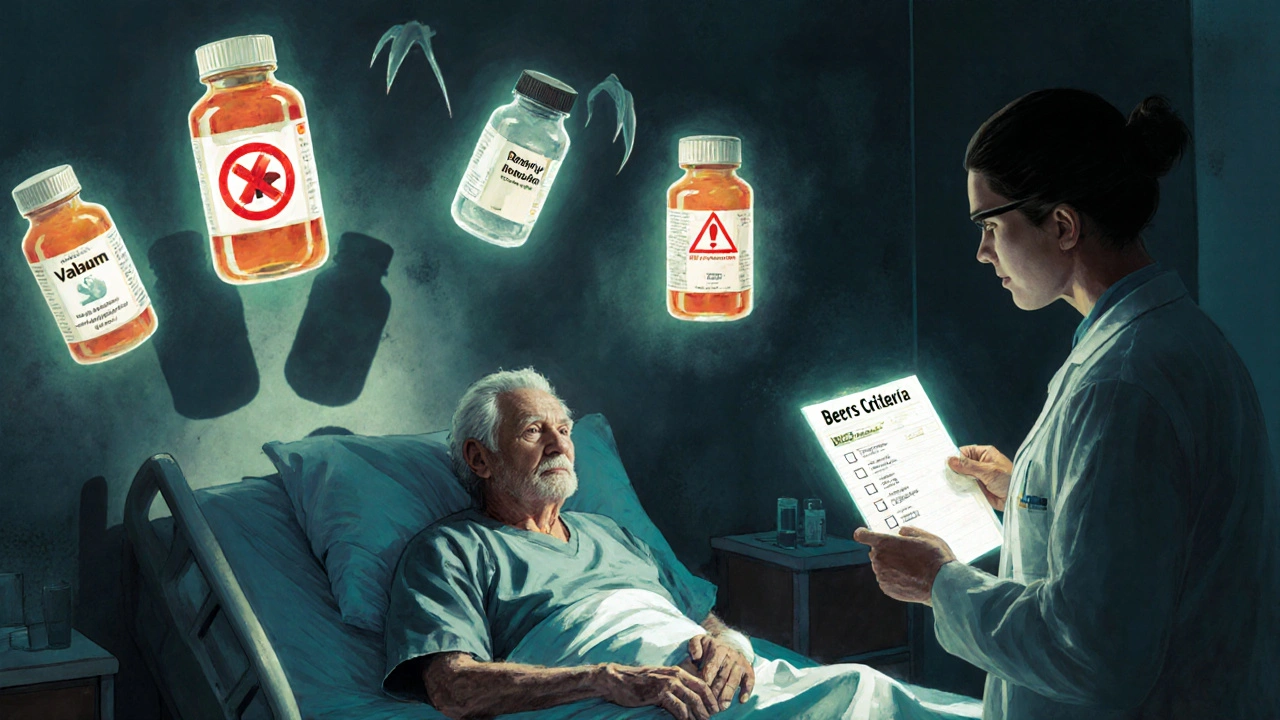
Beers Criteria: Potentially Inappropriate Drugs in Older Adults Explained
The Beers Criteria identify potentially dangerous drugs for adults over 65. Learn which medications to avoid, why they're risky, and how to talk to your doctor about safer options.