
Patient Assistance Programs: How to Get Free or Low-Cost Medications
When you need a prescription but can’t afford it, patient assistance programs, free or low-cost medication support offered by drug manufacturers, nonprofits, and government agencies. Also known as pharmaceutical aid, these programs exist because many life-saving drugs cost hundreds or even thousands of dollars a month—even when generics are available. They’re not charity. They’re a safety net built into the system, designed for people with low income, no insurance, or high out-of-pocket costs.
These programs aren’t one-size-fits-all. Each drugmaker runs its own, with different rules. Some require proof of income, others need a doctor’s letter, and a few only cover specific conditions like diabetes, cancer, or autoimmune diseases. You won’t find them on Google easily—they’re buried in fine print on drug company websites. But they’re real. Companies like Pfizer, Merck, and AbbVie have programs that have helped millions get drugs like Humira, Januvia, or Lipitor for free or at deep discounts. And it’s not just big pharma. Nonprofits like NeedyMeds and the Patient Access Network Foundation help you apply, find local resources, and even cover copays for Medicare patients.
What makes these programs different from coupons or insurance? Coupons expire. Insurance changes. But patient assistance programs can give you medication for a year or more, as long as you reapply and meet the criteria. They’re especially critical for drugs with black box warnings or those that have no generic alternative—like some cancer therapies or rare disease treatments. Even if you have insurance, you might still qualify if your plan has a high deductible or excludes certain drugs. Many people don’t realize they’re eligible because they assume they make "too much"—but income limits often go up to 400% of the federal poverty level.
These programs don’t fix the broken pricing system, but they do stop people from skipping doses, splitting pills, or going without. And they’re not just for the poor. A retired veteran on fixed income, a single parent working two jobs, or someone with a chronic condition who lost their job—these are the faces behind the applications. The same companies that advertise expensive brand-name drugs also run these programs. It’s not a contradiction. It’s survival.
Below, you’ll find real stories and practical guides from people who’ve navigated these programs successfully. You’ll learn how to apply without getting lost in paperwork, which drugs are most likely to be covered, and how to avoid common mistakes that delay help. Whether you’re helping yourself or someone you care about, the right program can mean the difference between managing your condition and losing control of it.
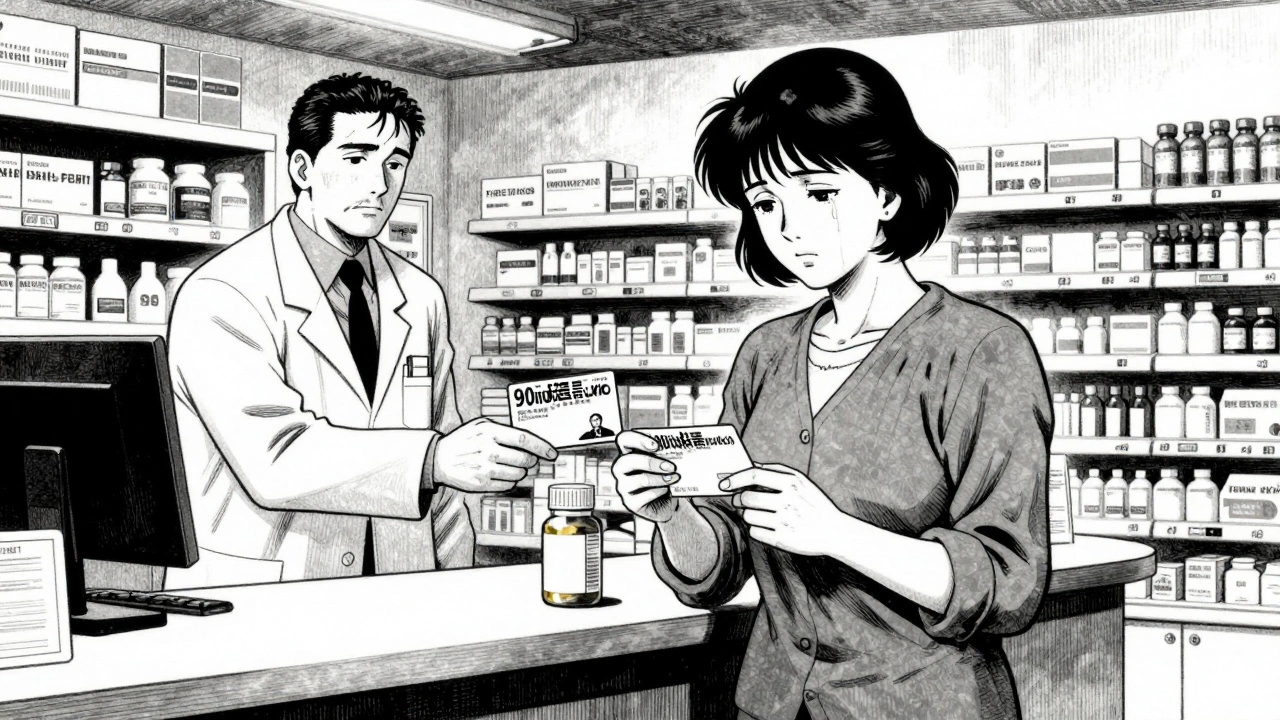
Prescription Assistance Programs: How Drug Makers Help You Pay for Medications
Prescription assistance programs from drug manufacturers help millions pay for expensive medications. Learn how copay cards and PAPs work, who qualifies, and how to apply-without insurance or with Medicare.