
Pharmaceutical Waste: What It Is, Why It Matters, and How It’s Managed
When you think of pharmaceutical waste, unused or expired medications, contaminated packaging, and manufacturing byproducts that end up in landfills, waterways, or incinerators. Also known as medication waste, it’s not just about what’s left in your medicine cabinet—it’s a systemic problem tied to how drugs are made, prescribed, and thrown away. Every year, millions of pounds of drugs enter the environment, from flushing pills down the toilet to hospitals dumping IV bags and syringes without proper treatment. This isn’t a minor cleanup issue—it’s a public health and ecological concern with real consequences.
Pharmaceutical waste includes more than just expired pills. It covers drug disposal, the methods used to get rid of unused medications safely, including take-back programs and incineration, and healthcare waste, the broader category that includes contaminated gloves, IV tubing, and syringes from clinics and hospitals. These materials often contain active ingredients that don’t break down easily. Even tiny traces of antidepressants, antibiotics, or hormones in rivers have been found to affect fish behavior and reproductive systems. And while flushing drugs is discouraged, many people still do it because they don’t know better—or because safe disposal options aren’t nearby.
The problem gets worse when you look at how drugs are distributed. Prescription assistance programs help patients afford meds, but what happens when they stop taking them? Or when a loved one passes away and their medicine cabinet is full of unused pills? Generic drugs, which make up over 90% of prescriptions, are cheaper—but they still end up as waste. And when complex generics are delayed by patent fights, patients might get brand-name versions longer than needed, increasing the chance of leftover drugs piling up.
Some hospitals and pharmacies now offer take-back bins, and the FDA has a flush list for drugs that are especially dangerous if misused—but these are exceptions, not the rule. Most communities don’t have easy access to safe disposal. Meanwhile, pharmaceutical manufacturers produce more than we use, and regulators haven’t caught up with how to handle the overflow. The result? Drugs in our water, soil, and even drinking supplies. It’s not just about pollution—it’s about antibiotic resistance, hormonal disruption, and long-term health risks we’re only beginning to understand.
What you’ll find here isn’t a list of rules or government reports. It’s real stories and facts from people who’ve dealt with leftover meds, doctors who’ve seen the fallout, and systems that are trying—and often failing—to keep these drugs out of the environment. You’ll learn how to handle your own medicine waste safely, what’s being done in the industry, and why the system is broken in ways most people never notice. This isn’t just about cleaning up pills—it’s about fixing how we think about medicine from the moment it’s made to the moment it’s thrown away.
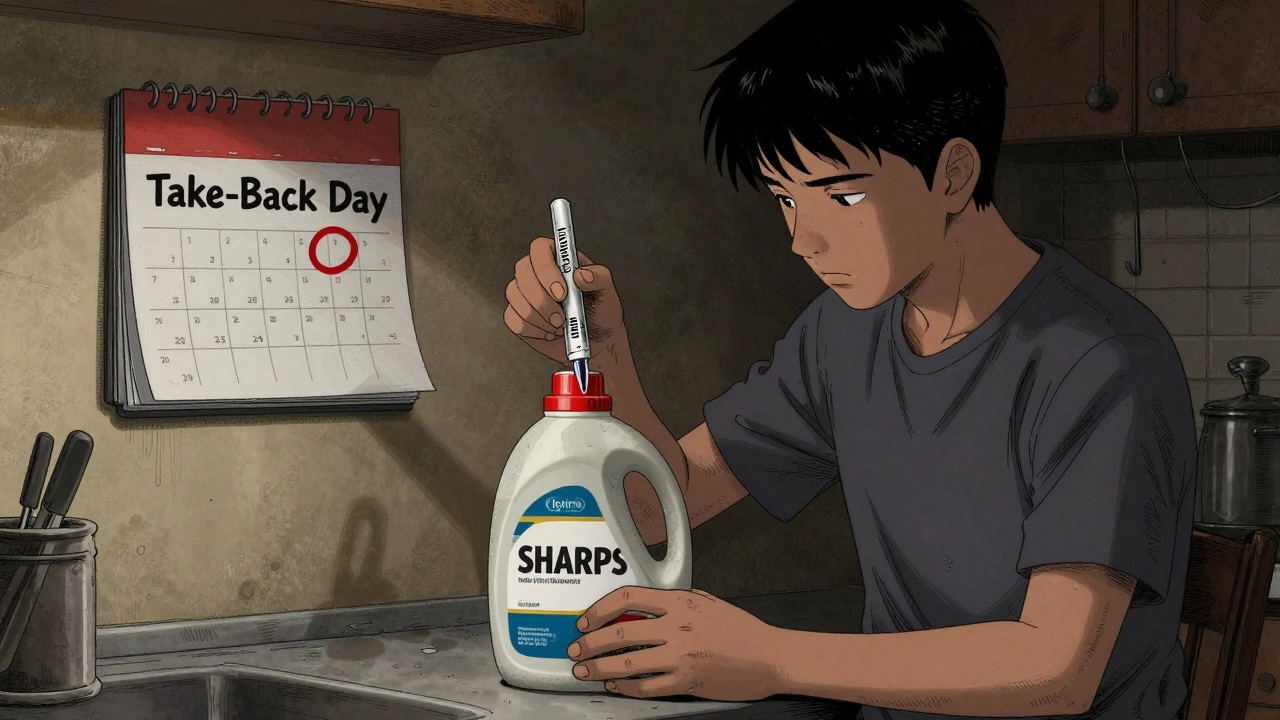
How to Safely Dispose of Expired EpiPens, Inhalers, and Patches
Learn how to safely dispose of expired EpiPens, inhalers, and medicated patches to protect your family, pets, and the environment. Follow FDA, DEA, and EPA guidelines for sharps, aerosols, and transdermal patches.