
Prescription Assistance Programs: How to Get Affordable Medications
When you need a prescription but can’t afford it, prescription assistance programs, free or low-cost drug programs run by manufacturers, nonprofits, or government agencies to help people who can’t pay full price. Also known as patient assistance programs, they’re not a secret—just underused. These programs exist because brand-name drugs often cost hundreds or even thousands a month, and millions of Americans skip doses or go without because of price. Many people think these programs are only for the uninsured, but that’s not true. Even if you have insurance, you might still qualify if your copay is too high, your plan doesn’t cover your drug, or you hit a coverage gap like the Medicare donut hole.
These programs don’t just hand out free pills—they’re tied to specific drugs and require proof of income, residency, and sometimes a doctor’s note. The biggest names are run by drugmakers like Pfizer, Merck, and Johnson & Johnson, and they cover everything from insulin and asthma inhalers to cancer meds and mental health drugs. Some programs even help with shipping or provide discounts at pharmacies. You don’t need to be poor to qualify—many set income limits at 400% of the federal poverty level, which for a single person in 2025 is about $60,000 a year. And while generic drugs are usually cheaper, not every generic is available, or safe to switch to—especially for drugs with narrow therapeutic windows like seizure meds or blood thinners. That’s where these programs step in.
Related tools like Medicare Part D, a federal program that helps seniors pay for prescription drugs and TRICARE, the health program for military families that covers 92% of prescriptions as generics can help too, but they don’t cover everything. That’s why knowing about patient assistance, direct support from drug companies to reduce out-of-pocket costs for eligible patients matters. You might be surprised how many people get free or nearly free meds through these programs—sometimes for years—without ever applying.
The posts below show you how to find these programs, what paperwork you need, which drugs are most commonly covered, and how to avoid scams. You’ll see real examples of how people saved hundreds a month on insulin, asthma inhalers, and even rare disease meds. You’ll also learn why some doctors don’t bring this up—and what to say when you ask. This isn’t about charity. It’s about knowing your rights and using the systems already in place to get what you need.
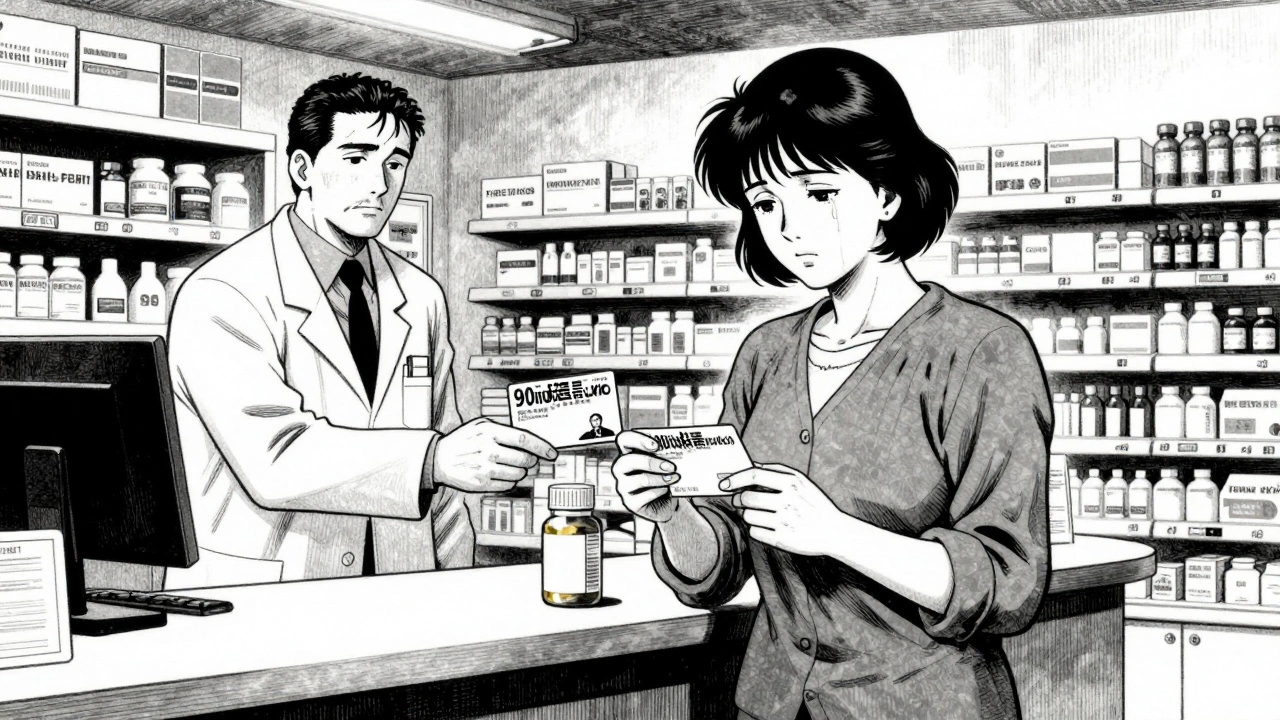
Prescription Assistance Programs: How Drug Makers Help You Pay for Medications
Prescription assistance programs from drug manufacturers help millions pay for expensive medications. Learn how copay cards and PAPs work, who qualifies, and how to apply-without insurance or with Medicare.