
Prescription Drug Safety: What You Need to Know to Stay Protected
When you take a prescription drug safety, the practices and knowledge that help prevent harm from medications. Also known as medication safety, it’s not just about following the label—it’s about understanding how your body reacts, what to watch for, and when to speak up. Every year, hundreds of thousands of people end up in the hospital because of avoidable mistakes with prescription drugs. It’s not always about taking too much. Sometimes it’s mixing two pills you didn’t know clashed. Other times, it’s ignoring swelling, dizziness, or a weird rash because you thought it was "just a side effect."
medication side effects, unintended reactions to drugs that range from mild to life-threatening are common, but not always harmless. Take hand and foot swelling from certain meds—it sounds minor until it’s a sign of heart or kidney trouble. Or immune-related adverse events from cancer drugs, where your own immune system starts attacking your organs. These aren’t rare. They’re underreported. And they often show up slowly, so you stop noticing them. That’s why tracking changes—sleep, mood, skin, energy—is part of safe drug use, the daily habits that reduce risk and increase control over your health. It’s not about being paranoid. It’s about being informed.
Then there’s drug interactions, when one medication changes how another works in your body. A simple antacid can ruin your antibiotic. A common allergy pill can make your blood pressure med useless. Even grapefruit juice can turn a routine statin into a danger. And don’t forget medication errors, mistakes in prescribing, dispensing, or taking drugs. They happen in pharmacies, hospitals, and your own kitchen. Maybe you took your morning pill at night. Maybe you confused two similar-looking bottles. Maybe your doctor didn’t know you were taking that herbal supplement. These aren’t just "oops" moments. They’re preventable.
Prescription drug safety isn’t about avoiding meds. It’s about using them wisely. The posts below cover real situations: how to spot when swelling isn’t just water retention, why expired pills might still work (and which ones won’t), what to pack in an emergency go-bag, how older adults are at higher risk, and why generics aren’t "cheap copies"—they’re FDA-approved equals. You’ll learn how to read between the lines of side effect lists, when to call your doctor instead of waiting, and how to ask better questions so you’re not just a patient—you’re a partner in your care.
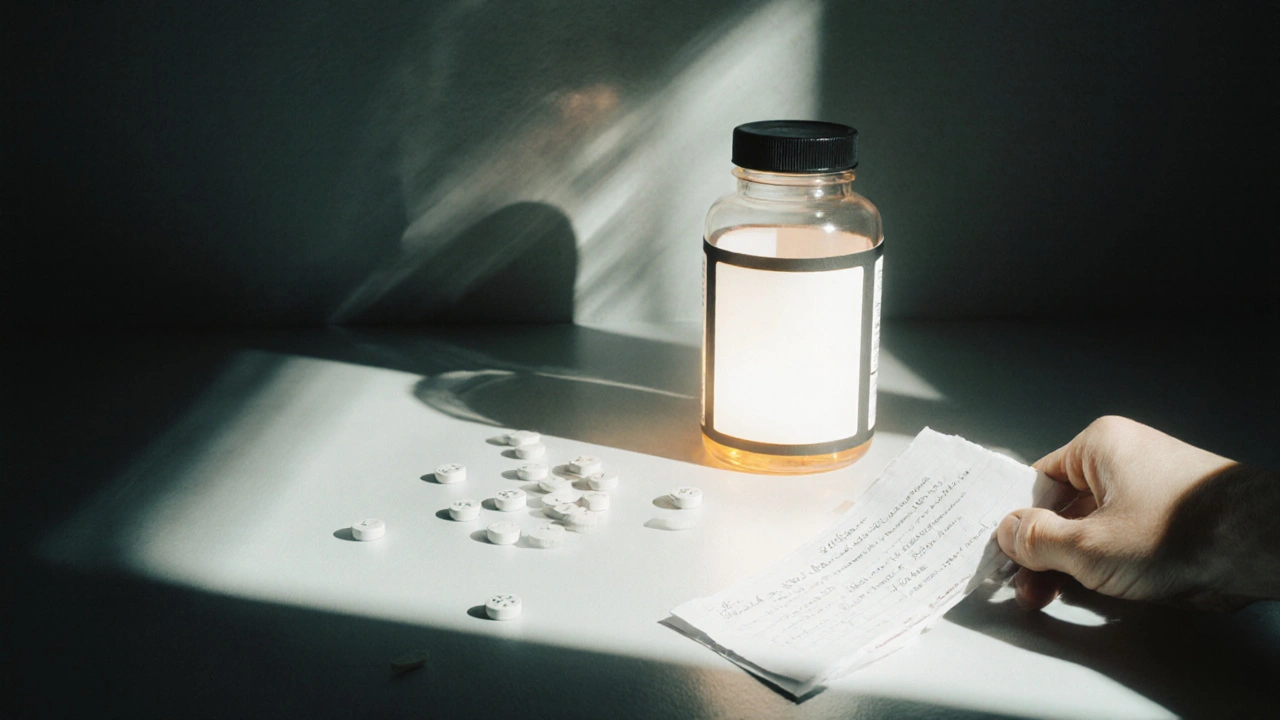
FDA Black Box Warnings: What You Need to Know About the Most Serious Drug Alerts
Black box warnings are the FDA's strongest safety alerts for prescription drugs, signaling life-threatening risks. Learn what they mean, which common medications carry them, and how to use them to make safer choices.