
ANDA Pathway: How Generic Drugs Get Approved by the FDA
When you pick up a generic pill at the pharmacy, it didn’t just appear overnight. It went through the ANDA pathway, a streamlined process the FDA uses to approve generic versions of brand-name drugs without repeating full clinical trials. Also known as the Abbreviated New Drug Application, it’s the backbone of affordable medicine in the U.S. This system lets companies prove their drug is the same as the original—same active ingredient, same strength, same way it works—without starting from scratch. That’s why a 30-day supply of a generic blood pressure pill can cost $4 instead of $150.
The Hatch-Waxman Act, a 1984 law that created the modern framework for generic drug approval. Also known as Drug Price Competition and Patent Term Restoration Act, it balanced innovation and access gave generic makers a clear path to market while protecting brand-name patents. Before this, generics faced legal and regulatory roadblocks. Now, the FDA reviews data showing bioequivalence: does your generic pill deliver the same amount of medicine into your bloodstream as the brand? If yes, it’s approved. No need for new safety studies on thousands of people—the original brand already proved that.
But not all drugs can follow this path. Some, like complex inhalers or injectables, need extra testing because how they’re made affects how they work. That’s why the generic drug submission, the formal package of data sent to the FDA to get approval. Also known as ANDA filing, it’s not just a form—it’s a technical dossier for a simple tablet looks very different from one for a biologic. The FDA checks manufacturing sites, stability data, and even how the pill breaks down in your gut. And if you’ve ever wondered why some generics cost more than others, it’s often because the company had to prove equivalence for a harder-to-copy product.
What you get isn’t magic—it’s science, regulation, and competition working together. The ANDA pathway isn’t just a bureaucratic step. It’s what lets millions save hundreds a year on prescriptions. It’s why TRICARE covers 92% of prescriptions as generics. It’s why medical societies recommend switching to generics when safe. And it’s why your doctor might suggest a generic version of your medication—not because it’s cheaper to prescribe, but because it’s just as effective.
Below, you’ll find real-world examples of how this system plays out: from the paperwork behind a $5 statin to why some combination drugs still cost a fortune. You’ll see how advertising tricks people into thinking generics are weaker—and why that’s not true. You’ll learn how the FDA catches bad actors, why expiration dates aren’t as strict as they seem, and how patients benefit when the system works right. This isn’t theory. It’s your medicine. And you deserve to know how it got there.
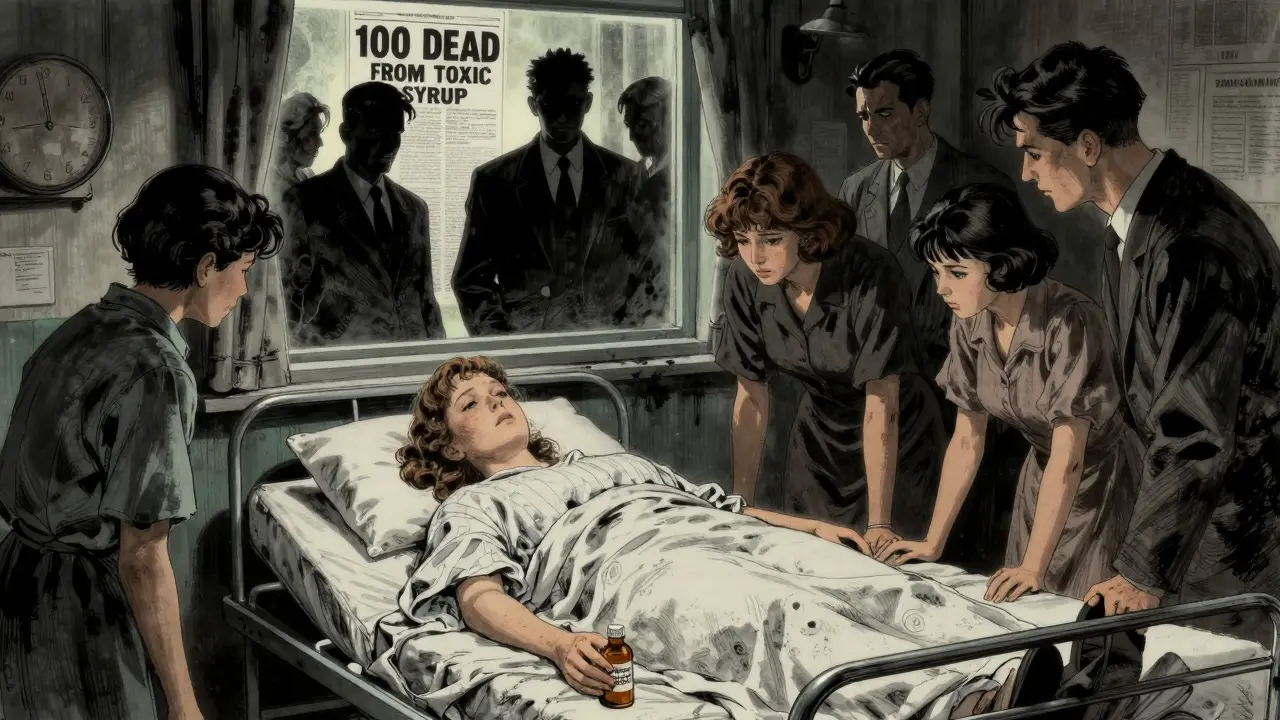
Federal Food, Drug, and Cosmetic Act: How It Built the Legal Foundation for Generic Drugs
The FD&C Act laid the legal groundwork for generic drugs through the Hatch-Waxman Amendments, enabling safe, affordable alternatives to brand-name medications by streamlining approval with bioequivalence standards and patent incentives.
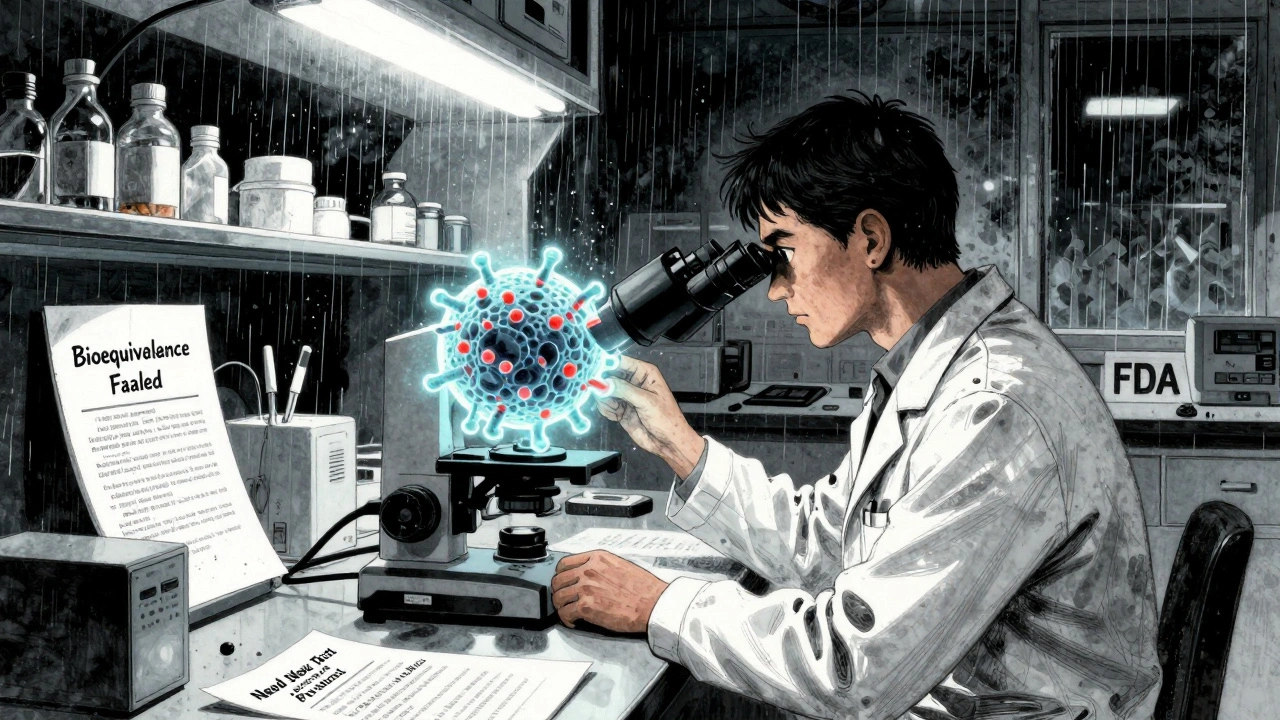
Complex Generic Drugs: Why Some Products Are Harder to Approve
Complex generic drugs face unique scientific and regulatory hurdles that make approval far harder than for simple generics. Despite high patient need, few reach the market due to cost, complexity, and unclear FDA expectations.