
FDA Approval: What It Means for Your Medications and How It Keeps You Safe
When you hear FDA approval, the U.S. Food and Drug Administration’s official green light that a drug is safe and effective for its intended use. Also known as drug clearance, it’s the moment a medication moves from lab testing to your medicine cabinet. This isn’t just paperwork—it’s a years-long process that checks everything from how the drug works in your body to whether it’s safer than what’s already on the shelf.
FDA approval doesn’t mean a drug is perfect. It means the benefits outweigh the risks for most people. That’s why some approved drugs come with black box warnings, the strongest safety alert the FDA can issue, signaling life-threatening side effects like liver failure or suicidal thoughts. These warnings appear on drugs like certain antidepressants, seizure meds, and cancer therapies—not to scare you, but to make sure you and your doctor know what to watch for. And while brand-name drugs go through full clinical trials, generic drugs, chemically identical copies of brand-name drugs that hit the market after patents expire. get approved through a faster, cheaper process called an ANDA. They don’t repeat animal or human trials because they’re proven to work the same way. That’s why generics cost up to 85% less but still meet the same quality standards.
The FDA doesn’t just approve drugs—it watches them after they’re sold. If a drug causes unexpected harm, like liver damage from nitrofurantoin or muscle pain from certain statins, the agency can update labels, require new warnings, or even pull it off the market. That’s why your prescription bottle might have a new warning label years after you started taking it. This system isn’t flawless, but it’s the best we have for catching problems early.
What you’ll find below isn’t just a list of articles—it’s a real-world look at how FDA approval shapes your daily health choices. From how generic substitution rules affect your copay to why some combination drugs still don’t have generic versions, these posts break down the rules, the loopholes, and the hidden details most people never see. You’ll learn how to read a black box warning, why your TRICARE plan prefers generics, and when a drug’s approval doesn’t mean it’s right for you. No fluff. No marketing. Just what you need to know to make smarter calls about your meds.
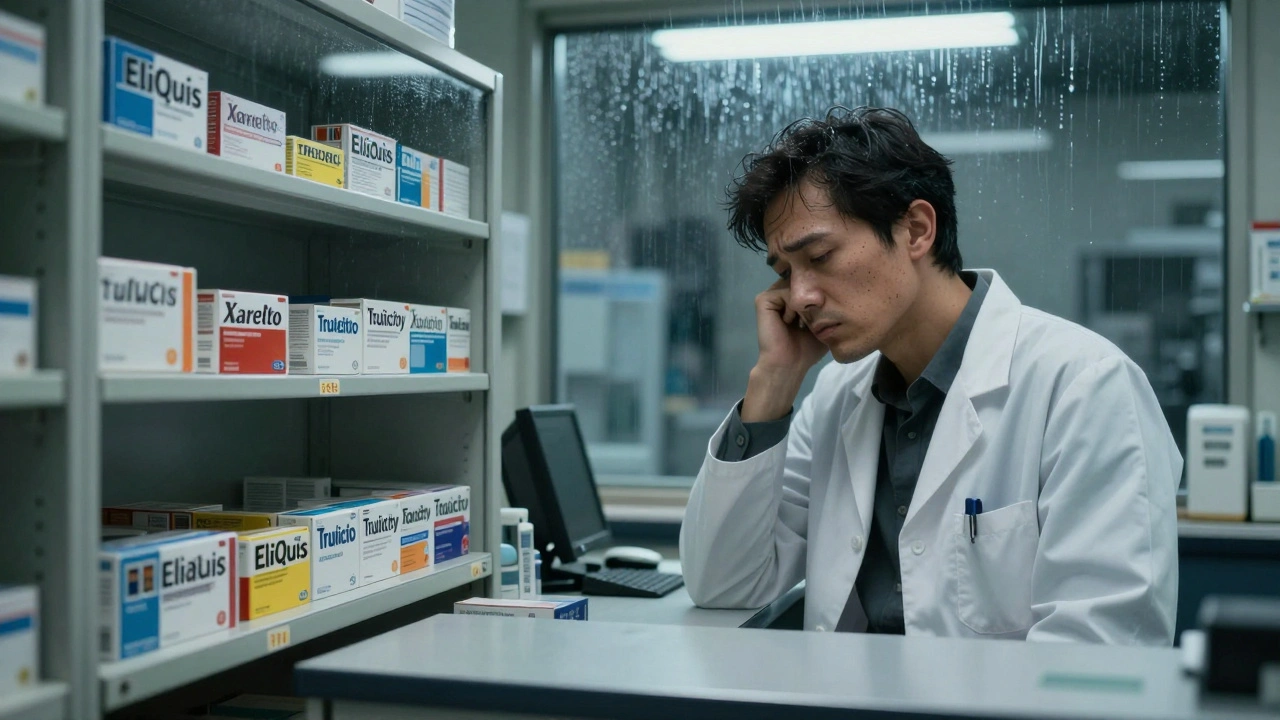
Recent Patent Cases and Generic Delays: 2023-2025 Examples
Despite FDA approval, generic drugs in the U.S. face average delays of 3.2 years before reaching patients due to patent litigation. From 2023 to 2025, brand-name companies used patent thickets to extend monopolies, costing Medicare billions and leaving patients without affordable options.
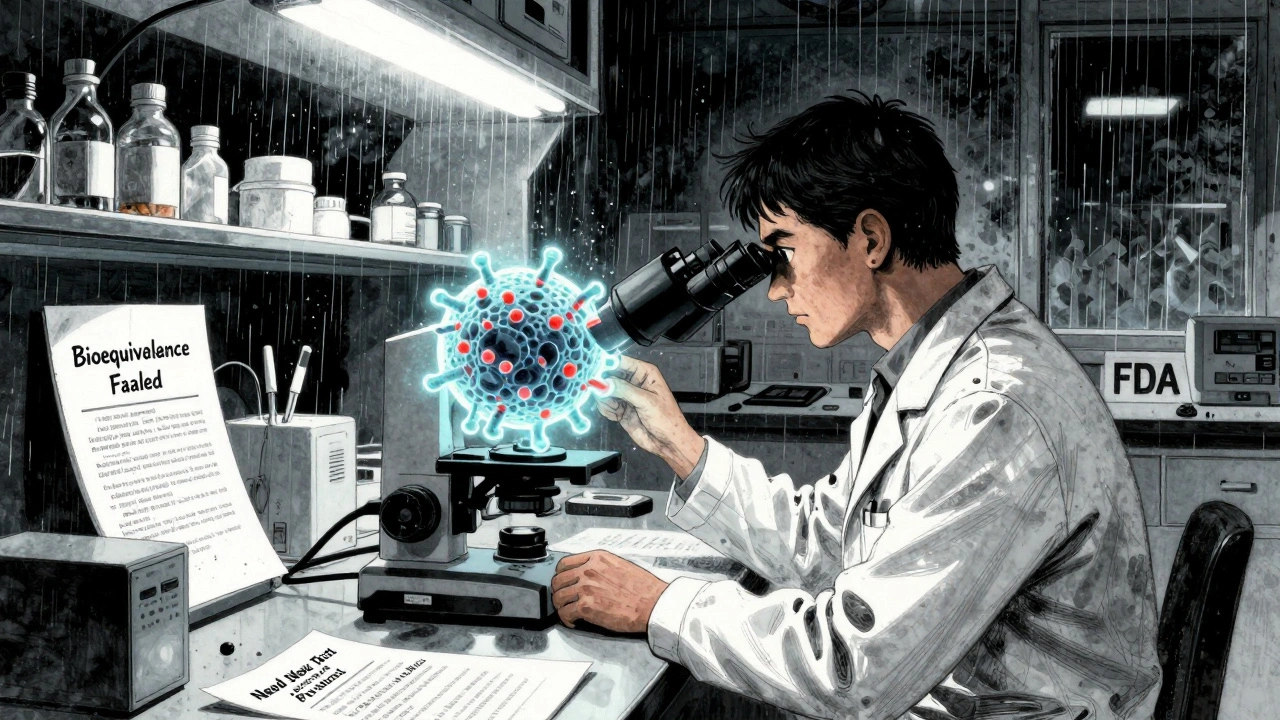
Complex Generic Drugs: Why Some Products Are Harder to Approve
Complex generic drugs face unique scientific and regulatory hurdles that make approval far harder than for simple generics. Despite high patient need, few reach the market due to cost, complexity, and unclear FDA expectations.