
Generic Medications: What They Are, Why They Work, and How to Save Money
When you hear generic medications, copies of brand-name drugs that contain the same active ingredients, dosages, and intended uses. Also known as generic drugs, they are approved by health regulators worldwide to be just as safe and effective as their branded counterparts. Yet many people still believe they’re weaker, less reliable, or somehow inferior. That’s not true. The FDA, WHO, and other health agencies confirm: if a generic drug is approved, it works the same way, in the same amount of time, with the same risks and benefits.
So why are they so much cheaper? Because brand name drugs, medications first developed and marketed by pharmaceutical companies under a patent require years of expensive clinical trials, marketing campaigns, and patent protection. Once the patent expires, other companies can make the same drug without repeating those costs. They don’t need to prove it works again—they just prove it’s identical in active ingredients and how the body absorbs it. That’s why a 30-day supply of generic lisinopril might cost $4, while the brand version costs $50. The difference isn’t quality—it’s marketing.
And it’s not just about price. drug savings, the money patients and insurers save by choosing generics over brand-name equivalents add up to over $300 billion in the U.S. alone each year. That’s billions that stay in people’s pockets, reduce insurance premiums, and keep healthcare affordable. But you won’t see those savings unless you ask for them. Pharmacies often default to brand names unless you specify otherwise. Doctors may not mention generics unless you bring it up. You have to be the one to ask: "Is there a generic version?"
Some people worry about side effects changing with generics. That’s rare. The inactive ingredients—like fillers, dyes, or coatings—can differ, and very rarely, those might cause minor reactions in sensitive people. But the active drug? Always the same. If you’ve taken a brand-name drug for years and switched to generic without issues, you’re fine. If you notice something different, talk to your pharmacist. They can check if the formulation changed or if it’s just your body adjusting.
And here’s something most don’t know: expiration dates on generics aren’t magic. Like brand drugs, most stay effective years past their printed date if stored properly. The FDA tested over 100 drugs and found many still worked 15+ years after expiration. That’s not a green light to keep old pills forever—but it does mean you’re not throwing away money as fast as you think.
Advertising plays a big role in how people see generics. You see ads for brand-name drugs on TV, in magazines, even on billboards. You rarely see one for generic versions. That’s not because they’re less effective—it’s because companies don’t spend millions advertising what they can’t patent. But that doesn’t make them less real. It just means you need to be the informed one.
Below, you’ll find real-world guides on how generics work, how to spot the best deals, what to watch out for, and how to talk to your doctor or pharmacist about switching. Whether you’re managing high blood pressure, allergies, depression, or chronic pain, there’s likely a cheaper, just-as-good option available. You just need to know where to look.
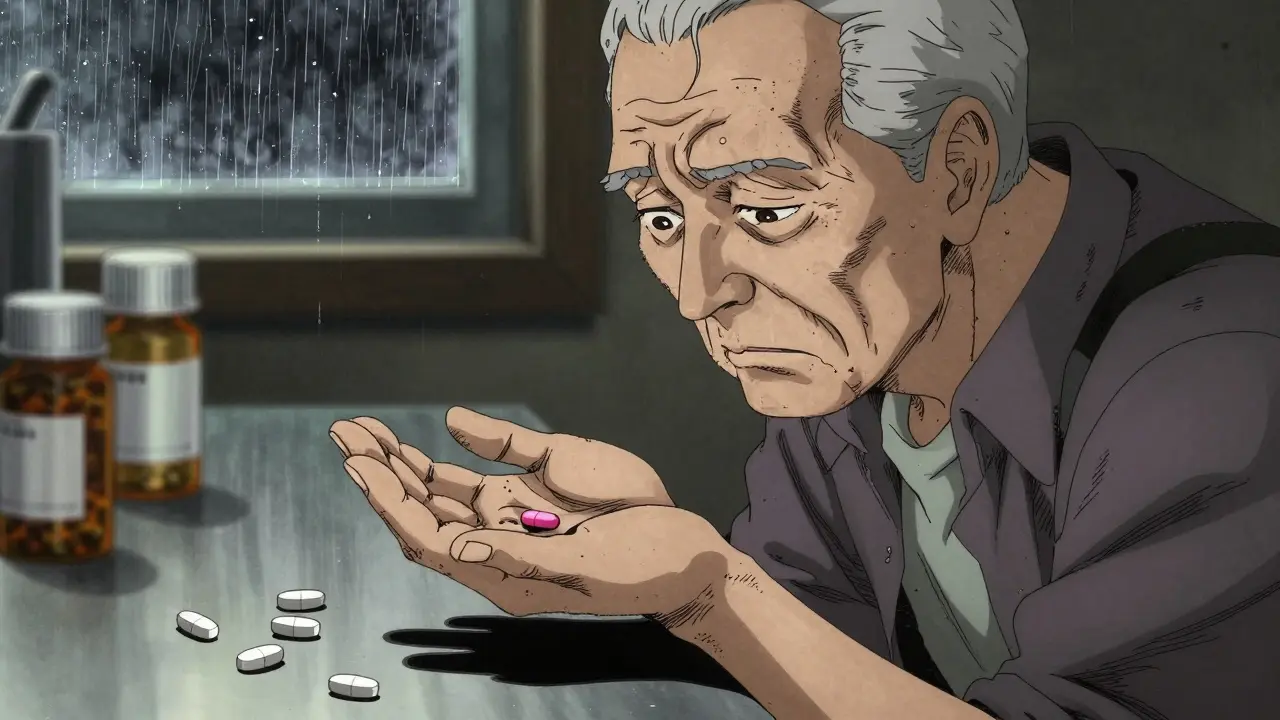
Health Literacy and Generics: How to Make Medication Information Clear for Everyone
Generic medications are just as effective as brand-name drugs, but confusing changes in appearance lead to missed doses and dangerous errors. Learn how to recognize safe generics, use simple tools, and ask the right questions to stay on track.
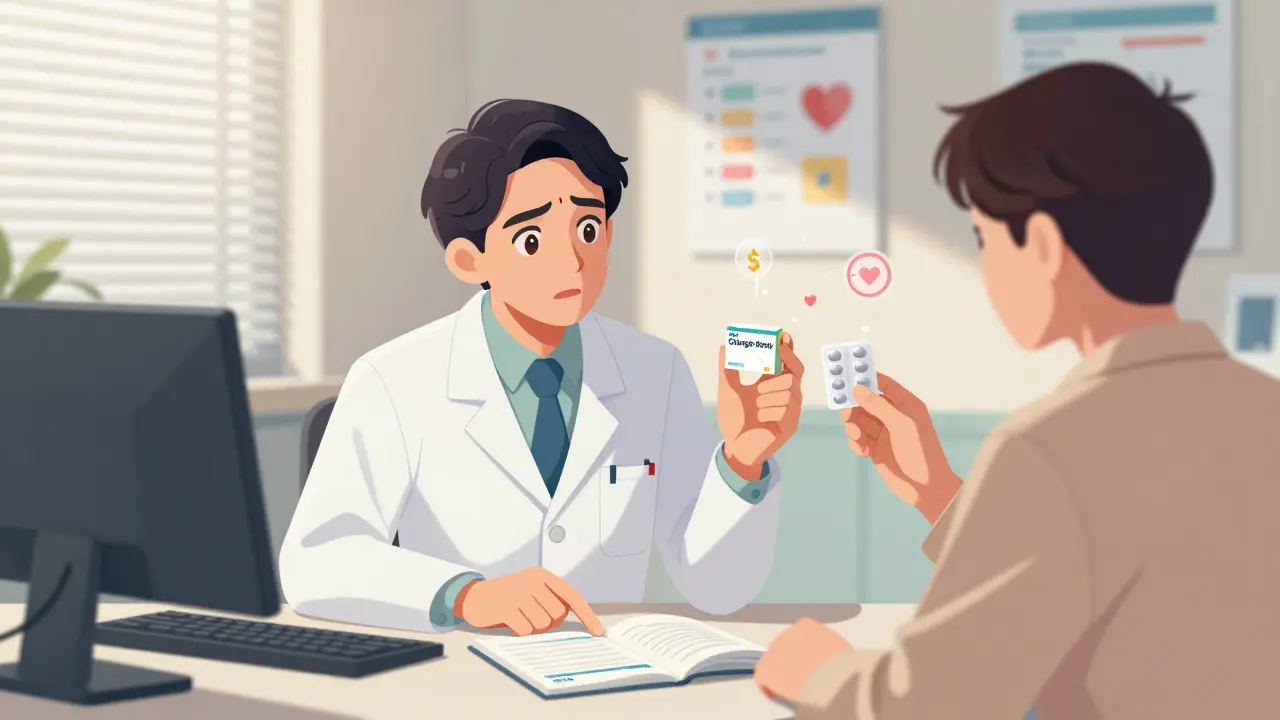
Workplace Wellness Programs: How Pharmacists Drive Generic Medication Use
Pharmacists play a key role in workplace wellness by promoting generic medications to improve adherence, cut costs, and boost employee health. Learn how they use MTM, FDA guidelines, and patient education to make generics work.
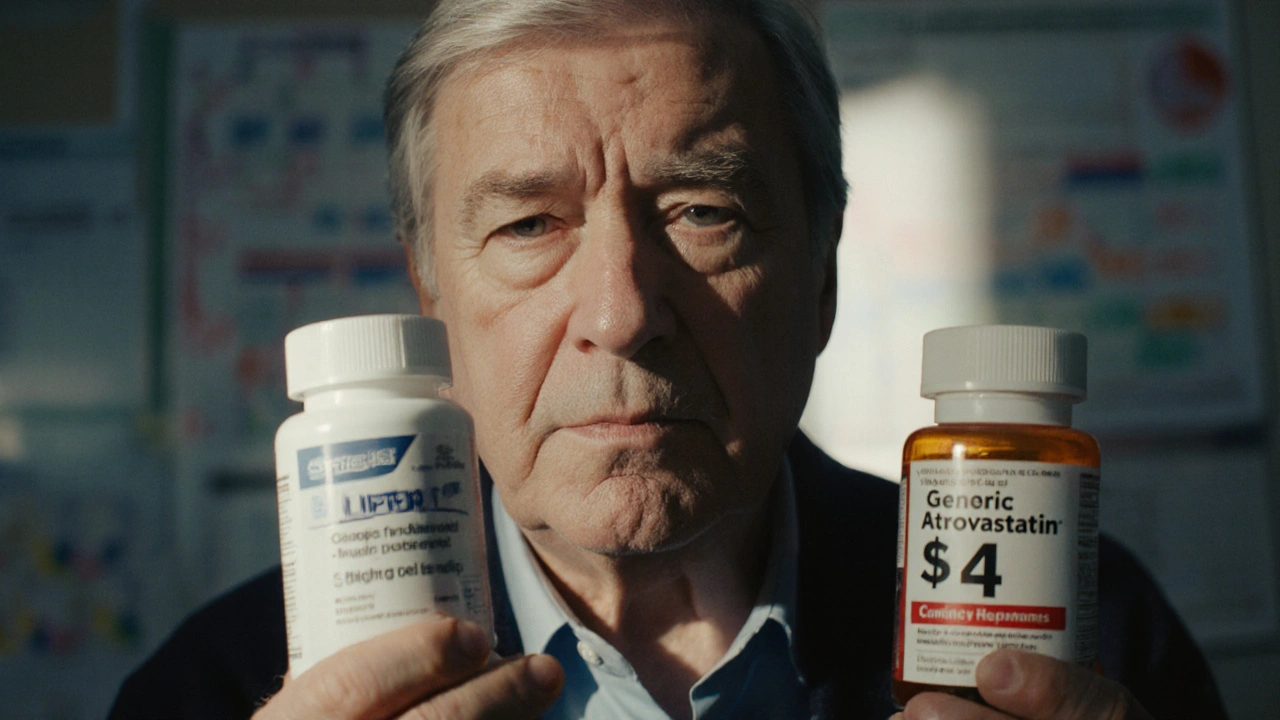
Why Switch to Generic Medications: Proven Reasons and Real Savings
Switching to generic medications saves money without sacrificing effectiveness. FDA-approved generics work the same as brand-name drugs and can cost up to 85% less. Learn why they’re safe, widely used, and the smart choice for most patients.