
Patent Litigation in Pharmaceuticals: What It Means for Your Medications
When you hear patent litigation, legal disputes over who has the right to make and sell a drug. Also known as drug patent lawsuits, it's not just courtroom drama—it directly controls whether you pay $500 or $5 for the same pill. Every time a brand-name drug’s patent expires, companies rush to make cheaper generics. But before that can happen, the original maker often files a lawsuit to delay it. These battles can stretch for years, keeping prices high and patients waiting.
Behind every generic drug, a chemically identical version of a brand-name medication approved by the FDA. Also known as off-patent drugs, it is a quiet revolution in healthcare. Over 90% of U.S. prescriptions are generics now, saving billions. But that only happened because some companies fought hard in court to break patent monopolies. Meanwhile, brand-name drugs, medications sold under a proprietary name with patent protection. Also known as originator drugs, it rely on these patents to recoup billions spent on research. Without patent protection, drug makers argue, innovation would die. But when lawsuits stretch out for years—sometimes over minor formulation changes—it’s patients who pay the price.
FDA approval, the process that ensures a drug is safe and effective before it reaches consumers. Also known as drug regulatory review, it isn’t just about safety—it’s a gatekeeper for competition. A generic maker must prove their version works the same as the brand. But patent litigation often blocks that proof from even being reviewed. Meanwhile, pharmaceutical patents, legal rights giving a company exclusive control over a drug’s formula for 20 years. Also known as drug exclusivity rights, it are sometimes stretched through tiny tweaks: new dosages, new delivery methods, even new colors. These aren’t breakthroughs—they’re legal tricks to delay competition.
What you’ll find below are real stories about how these battles play out. You’ll see how patent fights delay access to life-saving generics. You’ll learn why some drugs take years longer to become affordable. You’ll understand why your insurance might reject a generic, even when it’s legally approved. And you’ll see how these legal battles connect to everything from your prescription costs to the safety warnings on your medicine. This isn’t abstract law—it’s your medicine on the line.

Tentative Approval and Litigation: How Generic Drug Makers Wait for Market Entry
Tentative approval lets generic drug makers prepare for market entry while patents are still active. Learn how patent litigation, FDA rules, and timing decisions determine whether a generic drug launches successfully - or misses its window.
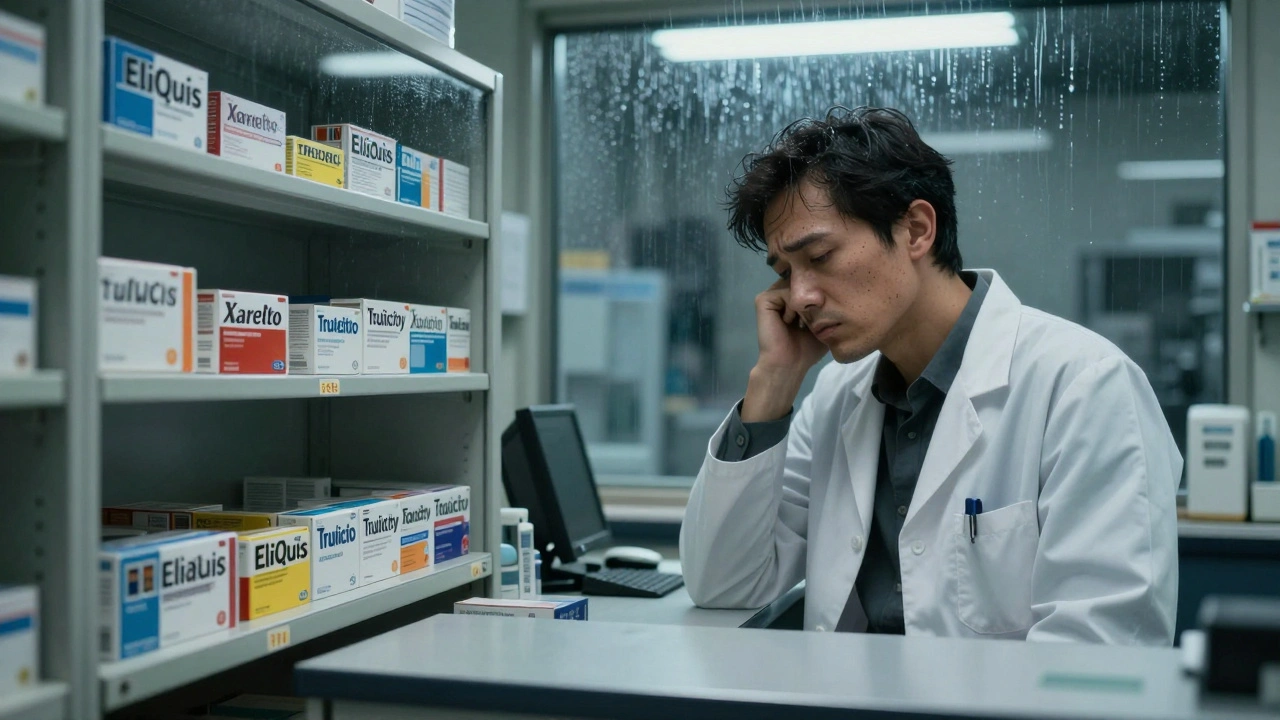
Recent Patent Cases and Generic Delays: 2023-2025 Examples
Despite FDA approval, generic drugs in the U.S. face average delays of 3.2 years before reaching patients due to patent litigation. From 2023 to 2025, brand-name companies used patent thickets to extend monopolies, costing Medicare billions and leaving patients without affordable options.