
Generic Substitution: What It Is and Why It Saves Money Without Compromising Care
When your pharmacist hands you a pill with a different name than what your doctor wrote, that’s generic substitution, the practice of replacing a brand-name drug with a chemically identical generic version approved by the FDA. Also known as therapeutic substitution, it’s not a trick—it’s standard care. You’re not getting less medicine. You’re getting the same active ingredient, at the same dose, in the same form, just without the marketing costs.
Behind every generic drug is a FDA generic approval, a strict process that proves the generic matches the brand in strength, purity, and how fast it works in your body. The FDA doesn’t let generics onto the market unless they perform the same way in your bloodstream. That’s why over 90% of prescriptions in the U.S. are filled with generics—they’re not just cheaper, they’re proven.
Why does this matter to you? Because brand-name drugs, are often priced high because of patent protection, advertising, and research costs. Once the patent expires, other companies can make the same drug without repeating expensive clinical trials. That’s why a brand-name pill might cost $150, but the generic version costs $12. That’s not a discount. That’s fairness.
Some people worry generics are weaker or less reliable. That’s usually because of advertising. Big pharma spends billions telling you their brand is better. But studies show no difference in effectiveness or side effects between most generics and their brand-name counterparts. In fact, the same factories often make both versions—just under different labels.
Generic substitution isn’t just about saving money. It’s about making medicine accessible. A patient on insulin, blood pressure meds, or antidepressants can’t afford to skip doses because of cost. Generic substitution keeps treatment going. It keeps people healthy. It keeps families from choosing between medicine and rent.
Not every switch is automatic. Your doctor can write "do not substitute" on the prescription if there’s a real medical reason. But for most drugs—antibiotics, statins, antihistamines, pain relievers—there’s no reason not to choose the generic. And if your pharmacy doesn’t offer it, ask. Pharmacies are required to fill prescriptions with the generic unless told otherwise.
What you’ll find below are real stories, clear comparisons, and hard numbers about how generic substitution works in practice. From how the Hatch-Waxman Act changed the drug market, to why your insurance pushes generics, to how to spot a safe online pharmacy for cheap generics—you’ll see the full picture. No fluff. No jargon. Just what you need to know to make smarter, cheaper, equally effective choices for your health.

How to Talk to Patients About Switching to Generic NTI Drugs
Switching patients to generic NTI drugs requires clear communication, careful monitoring, and trust-building. Learn what to say, when to test, and how to handle patient concerns safely and effectively.
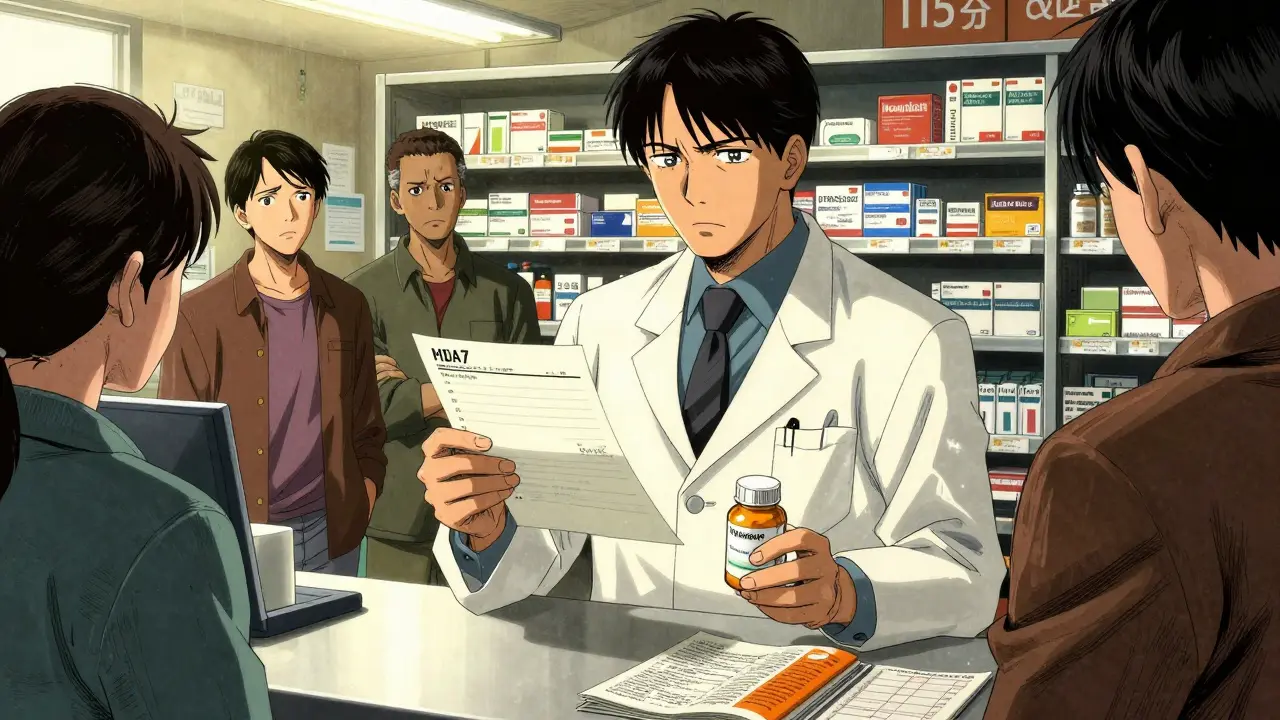
Pharmacist Authority in Substitution: Legal Scope of Practice Across U.S. States
Pharmacists can legally substitute medications in all U.S. states, but rules for generic vs. therapeutic substitution vary widely. Learn how state laws, federal moves, and practical barriers shape what pharmacists can do - and why it matters for your care.

Medical Society Guidelines on Generic Drug Use: What Doctors Really Think
Medical societies have clear but differing positions on generic drug substitution. While most generics are safe, experts warn against switching for drugs with narrow therapeutic indices like seizure medications. Learn why doctors make these calls and what you should know.

Generic Combination Products: When Multiple Generics Equal One Brand
Generic combination products combine drugs and devices, but substitution rules haven’t caught up. Patients pay more, delays happen, and approvals are rare. Here’s why and what’s changing.