
Medications in November 2025: FDA Warnings, Generics, and Drug Safety Insights
When it comes to medications, prescription drugs used to treat, prevent, or manage health conditions. Also known as pharmaceuticals, they’re not just pills — they’re tools that can save lives or cause serious harm if misused. In November 2025, the focus was sharp: knowing which drugs carry life-threatening risks, why generics aren’t just cheaper but often smarter, and how to spot side effects before they become emergencies.
FDA black box warnings, the strongest safety alerts the FDA can issue for prescription drugs showed up in multiple articles, highlighting drugs that can trigger heart failure, severe liver damage, or suicidal thoughts. These aren’t small print — they’re red flags you need to understand. At the same time, generic drugs, medications with the same active ingredients as brand-name versions but without the marketing costs dominated the conversation. They now make up over 90% of prescriptions in the U.S., saving patients billions, yet many still believe they’re weaker. That’s not true. They’re identical in effect, just cheaper. And when you combine that with immune-related adverse events, side effects from cancer immunotherapies that can attack healthy organs like the liver or lungs, you see a pattern: patients need clear, non-marketed facts to stay safe.
These posts didn’t just list risks — they gave you tools. Want to know if your hand swelling is harmless or a sign of something dangerous? There’s a guide. Need to pick the right antihistamine without drowsiness? They broke down loratadine, cetirizine, and Clarinex. Worried about expired pills? Turns out most are still good years past their date — if stored right. And if you’re managing GERD, chronic cough, or fungal eye infections, you’ll find exactly what works and what doesn’t, backed by real clinical data.
What ties all this together? Medications aren’t one-size-fits-all. Your age, liver function, sleep habits, even how you store your pills — all of it matters. The articles from November 2025 cut through the noise. No fluff. No ads. Just what you need to know to ask the right questions, spot red flags, and make smarter choices with your prescriptions. Below, you’ll find every detailed guide from that month — each one built to help you take control, not just take a pill.

FDA Black Box Warnings: What You Need to Know About the Most Serious Drug Alerts
Black box warnings are the FDA's strongest safety alerts for prescription drugs, signaling life-threatening risks. Learn what they mean, which common medications carry them, and how to use them to make safer choices.
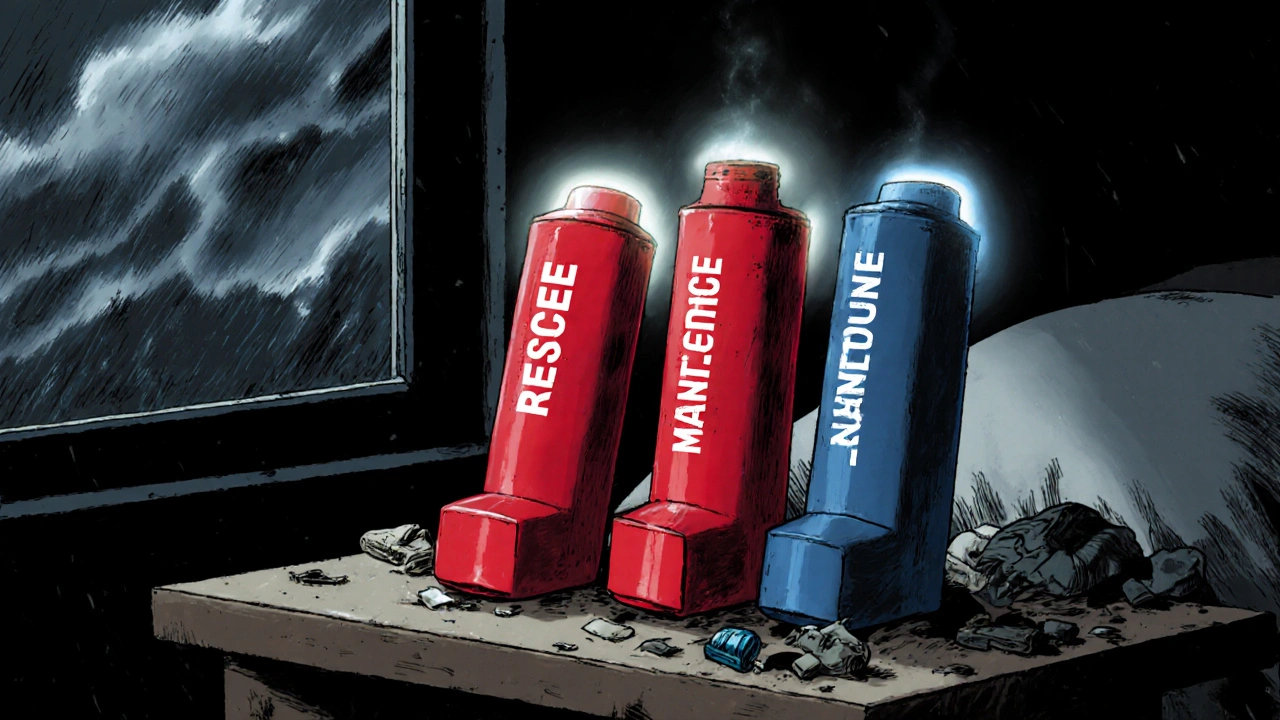
Inhalers Explained: Rescue Inhalers vs. Maintenance Inhalers
Rescue inhalers give quick relief during asthma attacks, while maintenance inhalers prevent symptoms by reducing lung inflammation. Knowing the difference can save your life.

Immune-Related Adverse Events: How to Recognize and Treat irAEs in Cancer Patients
Learn how to recognize and treat immune-related adverse events (irAEs) caused by cancer immunotherapy. Understand symptoms, grading, steroid use, second-line treatments, and why early action saves lives.

GERD Management: Diet, Lifestyle, and Acid Reflux Medications
Learn how to manage GERD with diet, lifestyle changes, and the latest medications. Discover what works, what doesn’t, and when surgery might be the right choice.

Hand and Foot Swelling from Medications: When to Contact Your Doctor
Hand and foot swelling from medications is common but can signal serious issues. Learn which drugs cause it, when to call your doctor, and how to manage it safely.
Generic Combination Products: When Multiple Generics Equal One Brand
Generic combination products combine drugs and devices, but substitution rules haven’t caught up. Patients pay more, delays happen, and approvals are rare. Here’s why and what’s changing.

Strength Training for Fat Loss: How to Program for Real Results
Strength training for fat loss builds muscle, boosts metabolism, and burns fat long after your workout ends. Learn how to program it right for real, lasting results - no cardio required.
History of Generic Drugs in the United States: How Cheaper Medicines Took Over
Generic drugs now make up over 90% of U.S. prescriptions, saving trillions. Learn how the Hatch-Waxman Act, FDA regulations, and global supply chains shaped today’s affordable medicine system.
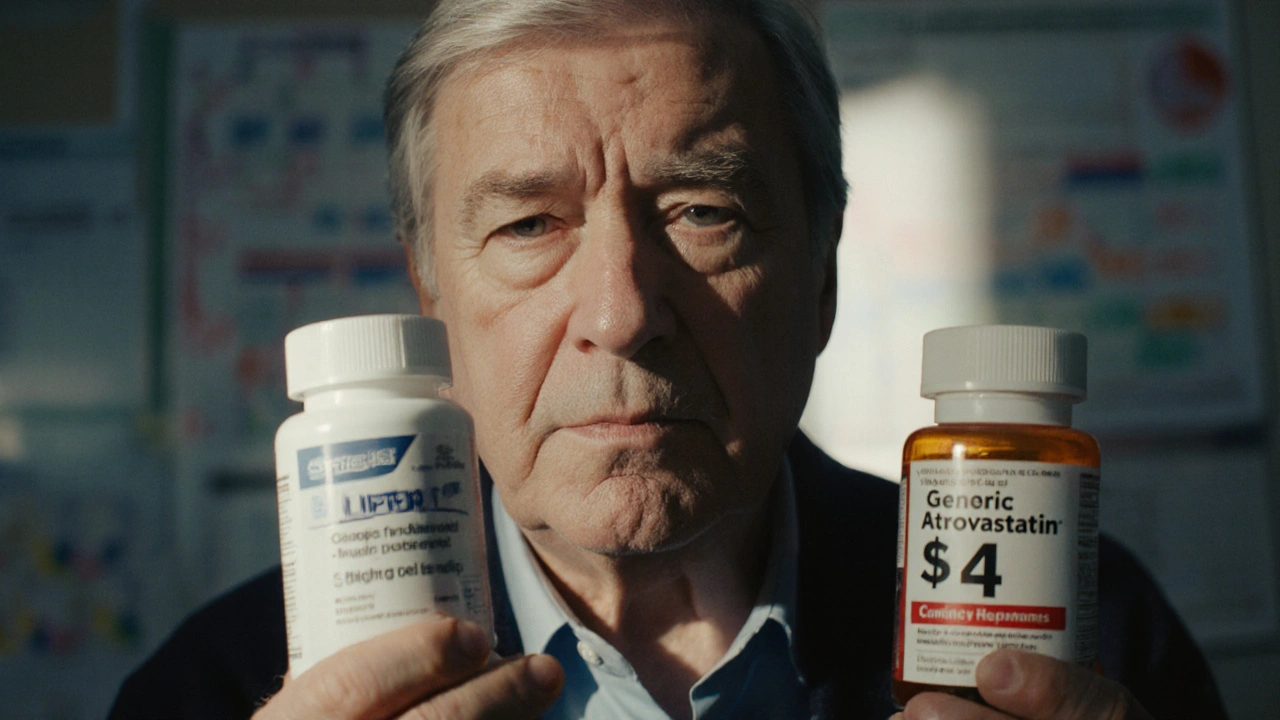
Why Switch to Generic Medications: Proven Reasons and Real Savings
Switching to generic medications saves money without sacrificing effectiveness. FDA-approved generics work the same as brand-name drugs and can cost up to 85% less. Learn why they’re safe, widely used, and the smart choice for most patients.
Second-Generation Antihistamines: Safer, Non-Drowsy Options for Allergy Relief
Second-generation antihistamines like loratadine, cetirizine, and fexofenadine offer effective allergy relief without the drowsiness of older drugs. Learn how they work, which one suits you best, and what they can’t do.