
Generic Drugs: What They Are, How They Work, and Where to Buy Them Safely
When you hear generic drugs, pharmaceutical products that contain the same active ingredients as brand-name medicines but are sold under their chemical name. Also known as generic medication, they work the same way, in the same dose, and with the same risks and benefits as the original—just for a fraction of the price. Most people assume brand-name drugs are better because they cost more. That’s not true. The FDA requires generic drugs to meet the same strict standards for safety, strength, and quality. If your doctor prescribes Lipitor, the generic version is atorvastatin. If you’re taking Cymbalta, the generic is duloxetine. These aren’t imitations—they’re identical in every way that matters.
Why do generics cost less? Because the company making them didn’t pay millions to develop the drug from scratch. The original patent expired, so others can copy it. That’s why you’ll see posts here about buying cheap generic Lipitor online or finding affordable generic Cymbalta. These aren’t shady deals—they’re smart choices. Many people don’t realize that expiration dates on pills are often conservative. Even after that date, most generics remain effective if stored properly. That’s why we’ve got guides on how long medications last past expiration and how to keep your emergency go-bag meds fresh for 14 days or more.
Not all generics are created equal, though. Some formulations—like micronized fenofibrate or extended-release capsules—behave differently in your body than others. That’s why we compare different forms of the same drug, like Bentyl versus hyoscyamine, or Silvitra versus sildenafil. The active ingredient might be the same, but the way it’s delivered can change how fast it works, how long it lasts, and whether it causes side effects. That’s why knowing the difference between hydrophilic and lipophilic statins matters. One might cause less muscle pain depending on your kidney function or age.
And yes, some generics can interact with other meds you’re taking. Tizanidine might lower your libido. Nitrofurantoin could harm your liver if you already have liver disease. Avanafil and antidepressants? They can mix dangerously if not dosed right. That’s why every post here is written with real-world use in mind—not theory. You’re not reading a textbook. You’re getting straight answers from people who’ve been there: the guy who switched from brand-name statins to generic and stopped getting muscle cramps, the woman who saved $200 a month on her blood pressure meds by switching to spironolactone generics, the man who found Tadalista Super Active worked better than Cialis for his ED without the price tag.
Buying generic drugs online isn’t about risk—it’s about knowing where to look. Scams exist, but so do licensed pharmacies that ship FDA-approved generics from trusted manufacturers. We show you how to spot the difference. You’ll learn what to check before clicking "Buy Now," how to verify a pharmacy’s credentials, and why some "cheap" pills are actually dangerous counterfeits. It’s not magic. It’s just knowing what to ask for and what to avoid.
Whether you’re managing chronic pain with amitriptyline, treating a UTI with ofloxacin, or trying to quit smoking with varenicline, there’s almost always a generic alternative. And if you’re worried about side effects, drug interactions, or long-term safety, you’ll find real comparisons here—not marketing fluff. We don’t just list drugs. We show you how they stack up against each other, what patients actually experience, and which options give you the best balance of cost, effectiveness, and safety.
Below, you’ll find detailed guides on exactly this: which generics work, which ones to avoid, how to buy them without getting scammed, and how to make sure they do what they’re supposed to—without costing you your savings or your health.
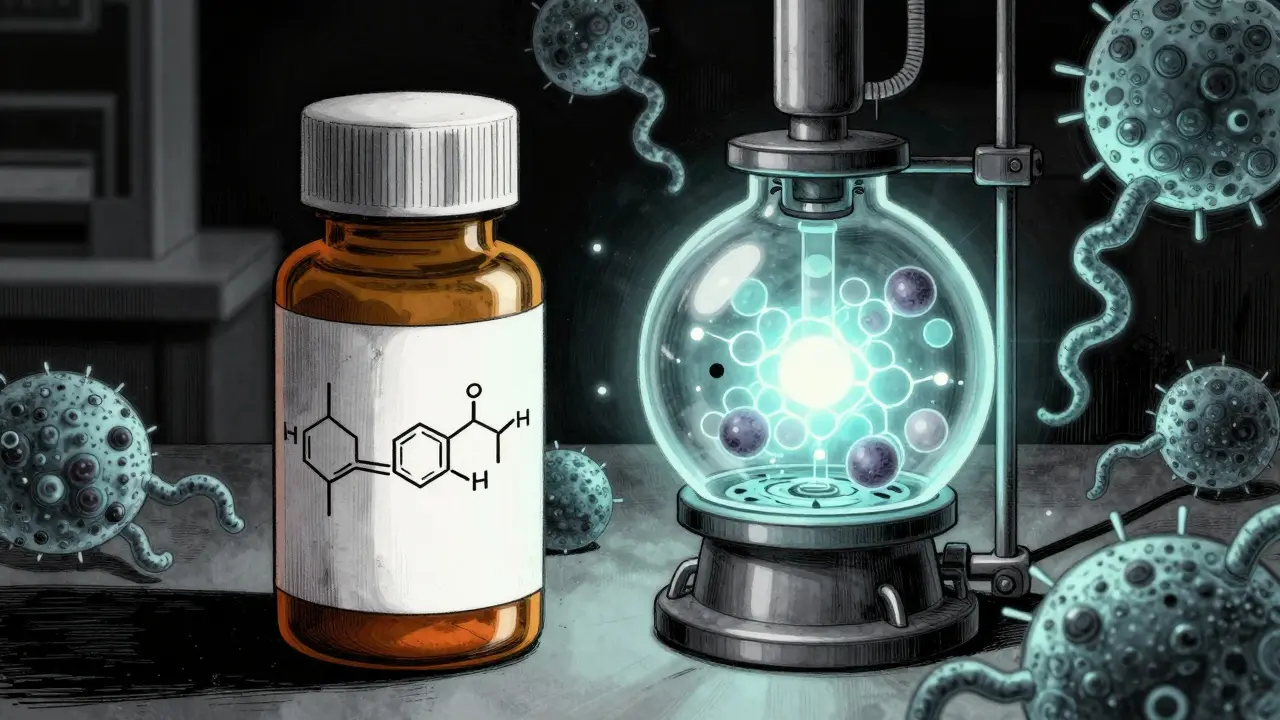
Biosimilars vs Generics: Key Differences Explained
Biosimilars and generics both lower drug costs, but they're fundamentally different. Biosimilars are complex biologic copies with stricter rules, while generics are simple chemical duplicates. Understand how they compare in safety, cost, and use.
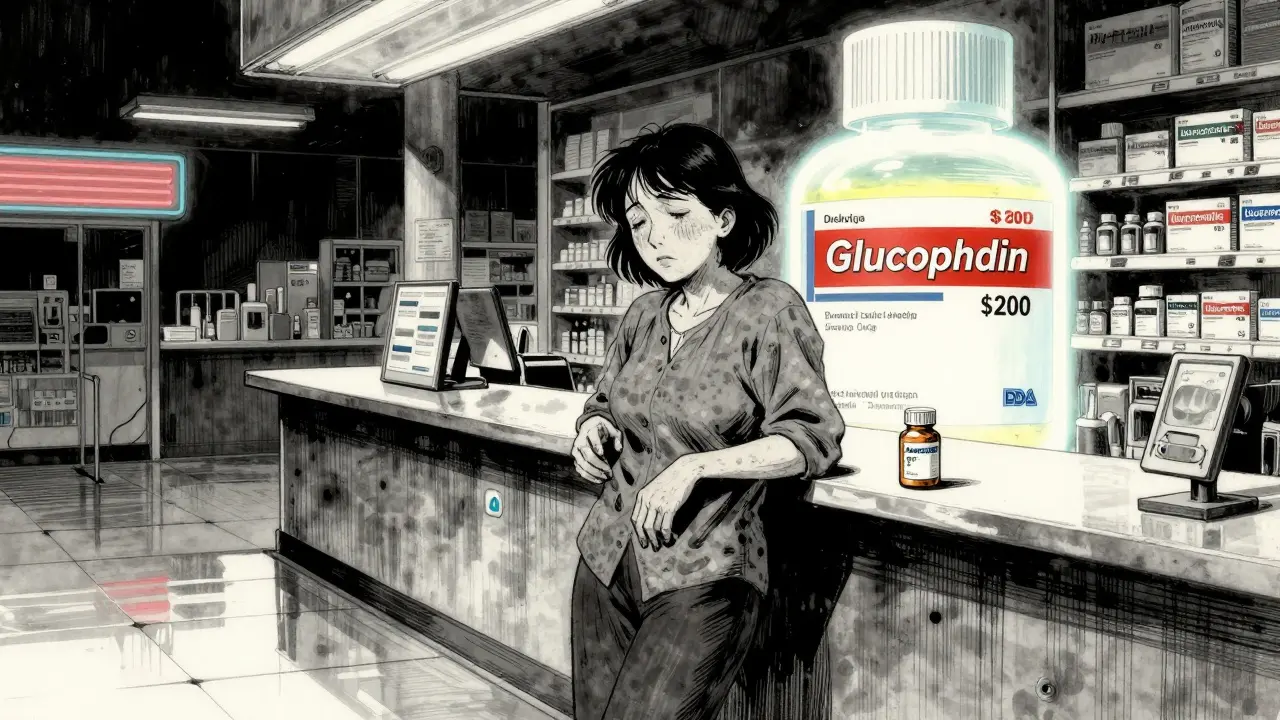
Healthcare Drug Spending: How Generics Control Costs and Save Billions
Generics make up 90% of U.S. prescriptions but only 12% of drug spending, saving billions annually. Learn how they work, where they fall short, and why they're the most effective tool for controlling healthcare costs.
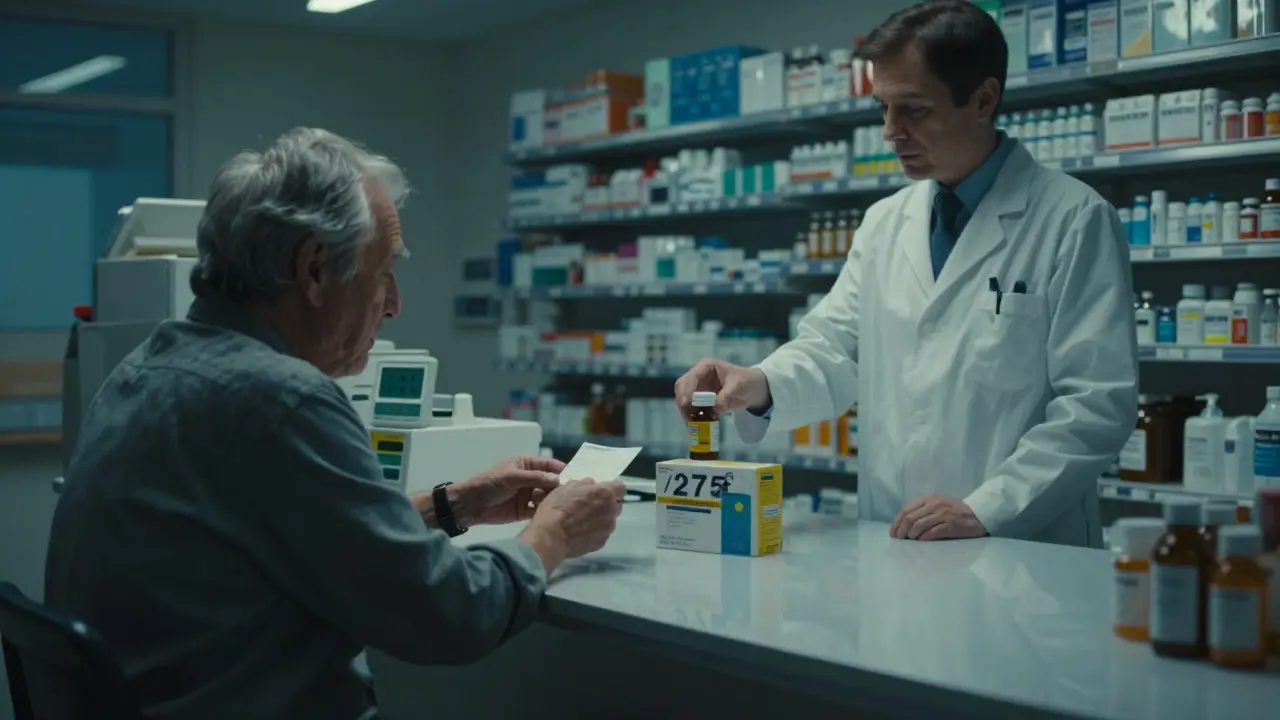
How Generic Drugs Save Billions in the U.S. Healthcare System
Generic drugs save the U.S. healthcare system nearly $500 billion annually by offering the same effectiveness as brand-name drugs at a fraction of the cost. Learn how they work, why they're underused, and what's blocking bigger savings.
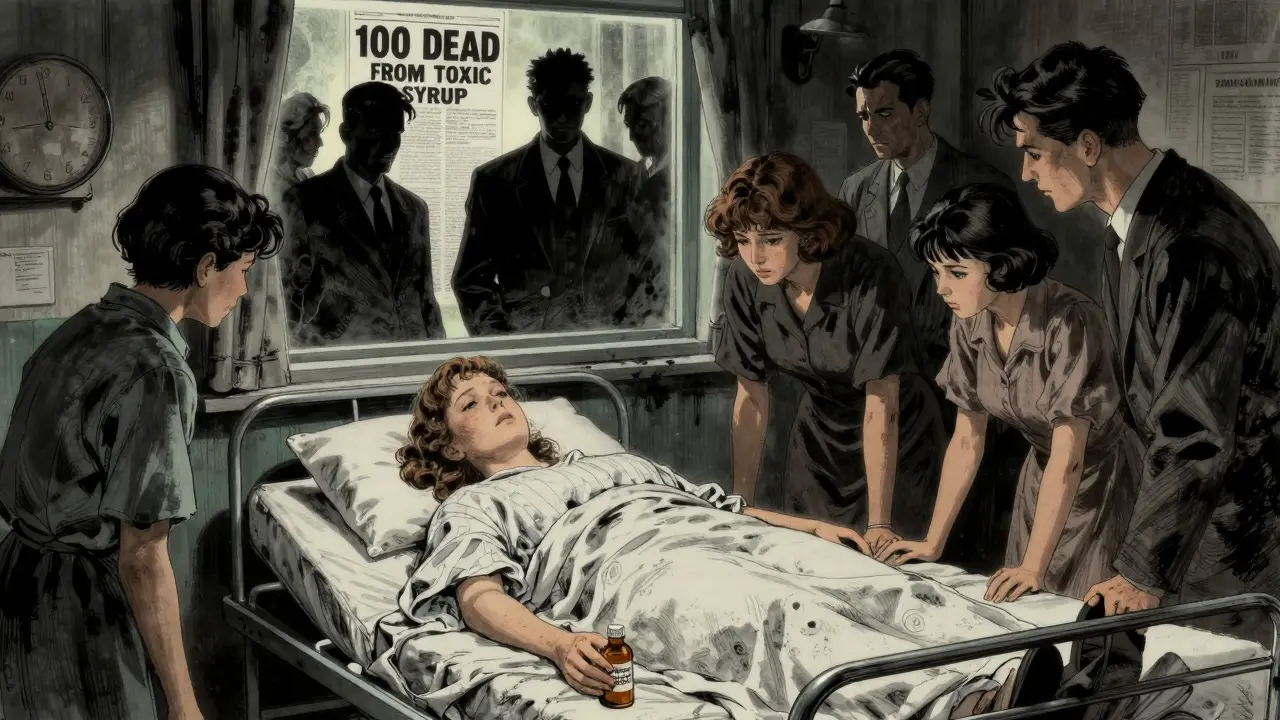
Federal Food, Drug, and Cosmetic Act: How It Built the Legal Foundation for Generic Drugs
The FD&C Act laid the legal groundwork for generic drugs through the Hatch-Waxman Amendments, enabling safe, affordable alternatives to brand-name medications by streamlining approval with bioequivalence standards and patent incentives.
History of Generic Drugs in the United States: How Cheaper Medicines Took Over
Generic drugs now make up over 90% of U.S. prescriptions, saving trillions. Learn how the Hatch-Waxman Act, FDA regulations, and global supply chains shaped today’s affordable medicine system.
Why Generic Medications Cost Less for Patients and Insurers
Generic medications cost far less than brand-name drugs because they don't need expensive clinical trials. They're just as safe and effective, saving patients and insurers billions each year - if you know how to find the best price.
How Advertising Shapes Public Perception of Generic Medications
Advertising for brand-name drugs shapes patient and doctor perceptions, making generics seem less effective - even though they're chemically identical. Learn how marketing influences prescriptions and what you can do about it.