
Archive: 2026/01
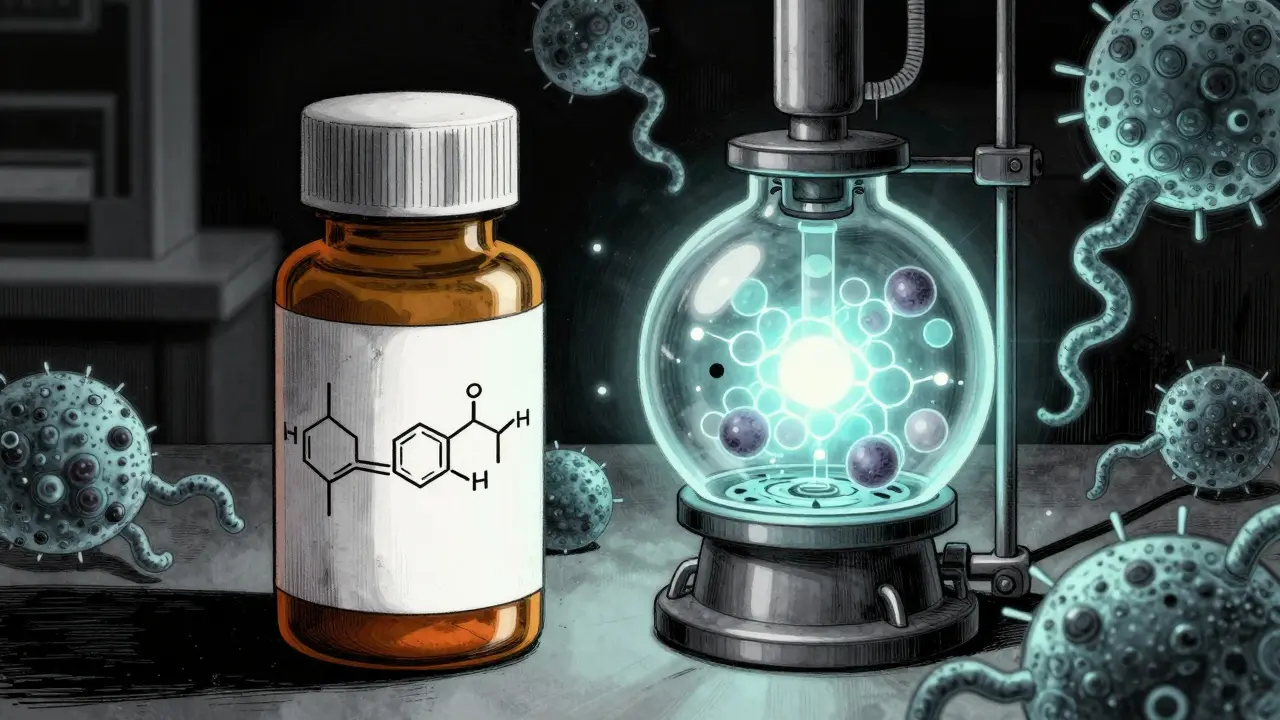
Biosimilars vs Generics: Key Differences Explained
Biosimilars and generics both lower drug costs, but they're fundamentally different. Biosimilars are complex biologic copies with stricter rules, while generics are simple chemical duplicates. Understand how they compare in safety, cost, and use.
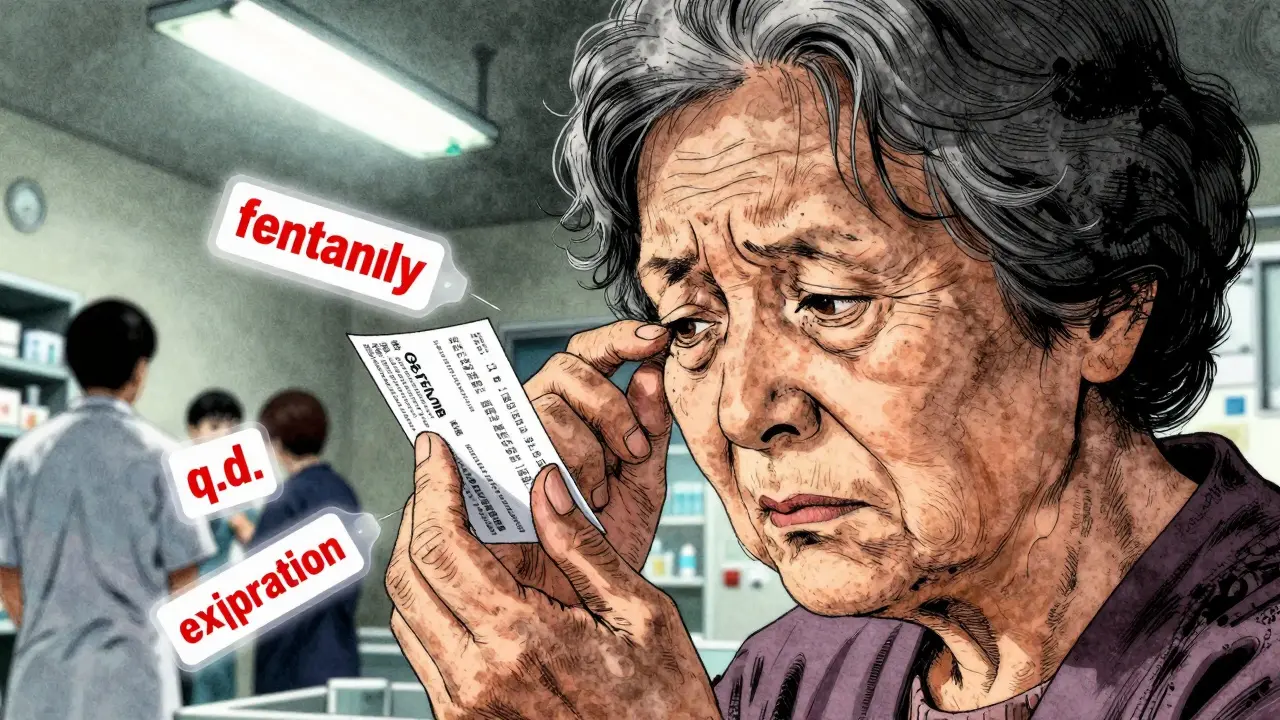
Understanding Drug Labels: A Complete Medication Label Breakdown
Learn how to read prescription and over-the-counter drug labels to avoid dangerous medication errors. Understand active ingredients, dosage, warnings, and what's missing from most labels.

Cold-Induced Urticaria: What Happens When Cold Triggers Hives
Cold-induced urticaria causes itchy hives after exposure to cold temperatures. Learn how it works, how to diagnose it, and what treatments actually help-including antihistamines, epinephrine, and new therapies.
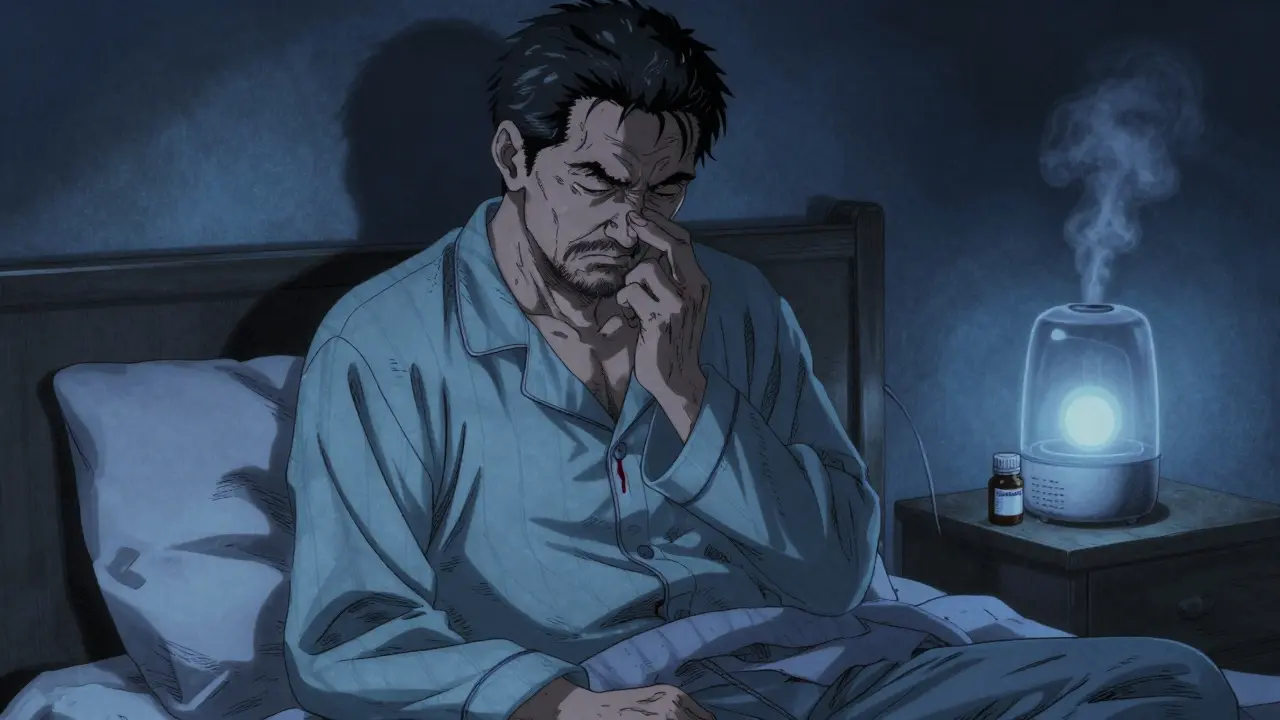
Nosebleeds Linked to Medications: Common Causes and How to Prevent Them
Nosebleeds can be a side effect of common medications like aspirin, ibuprofen, and blood thinners. Learn why they happen, which drugs are most likely to cause them, and how to prevent them without stopping essential treatments.

Impetigo and Cellulitis: How to Tell Them Apart and Choose the Right Antibiotic
Impetigo and cellulitis are common skin infections with different causes, symptoms, and treatments. Learn how to tell them apart and choose the right antibiotic to prevent complications like MRSA or sepsis.
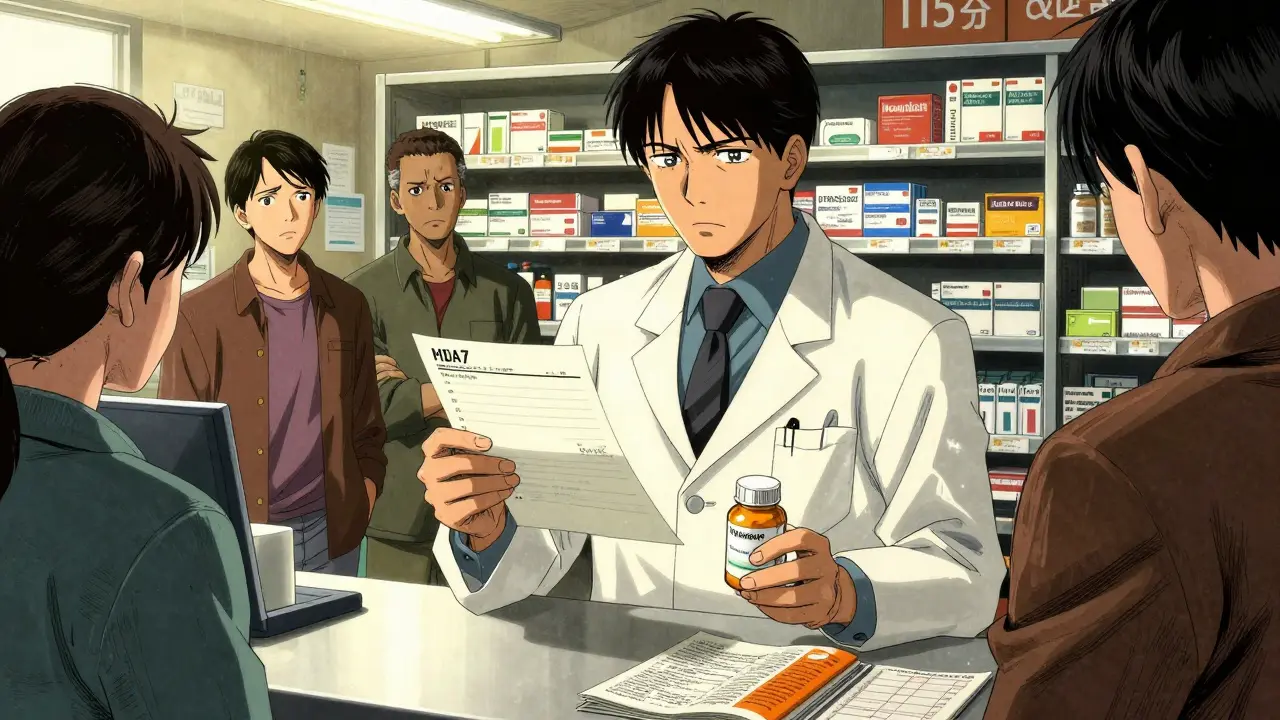
Pharmacist Authority in Substitution: Legal Scope of Practice Across U.S. States
Pharmacists can legally substitute medications in all U.S. states, but rules for generic vs. therapeutic substitution vary widely. Learn how state laws, federal moves, and practical barriers shape what pharmacists can do - and why it matters for your care.
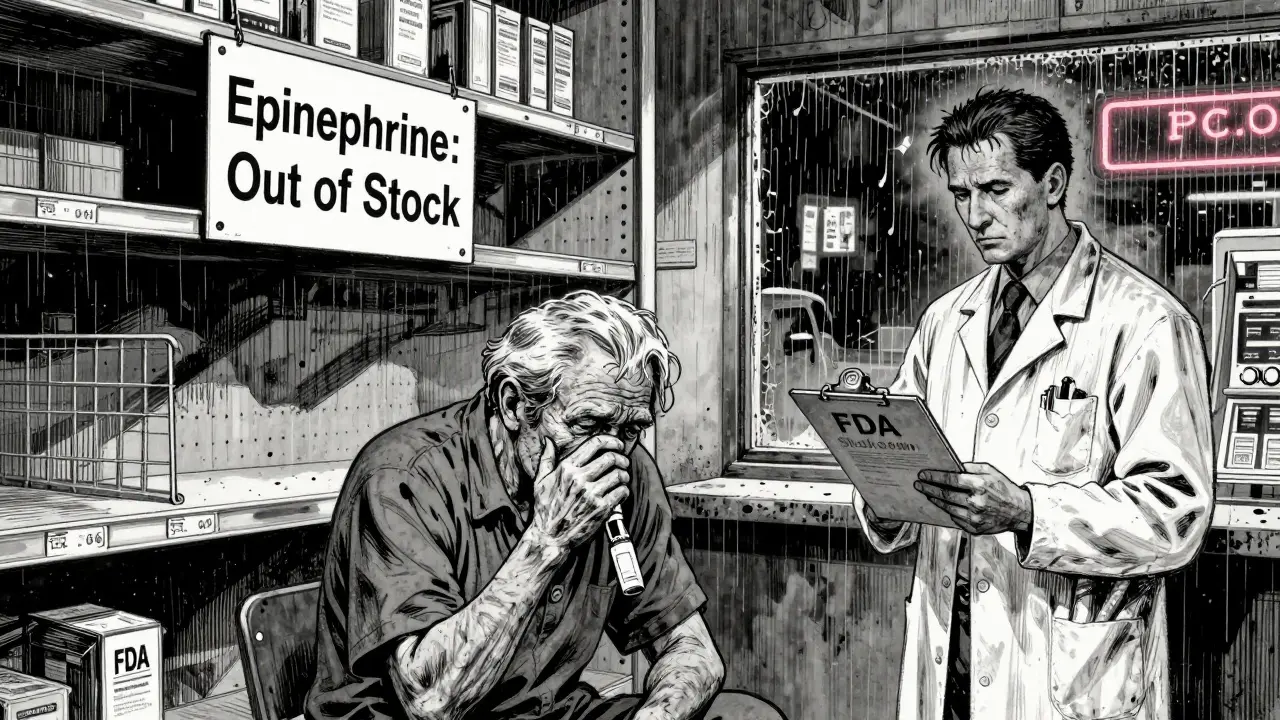
Generic Drug Shortages: When Too Much Competition Hurts Supply
Generic drugs save billions, but too much competition is causing dangerous shortages. When prices drop too low, manufacturers quit - leaving patients without life-saving meds.
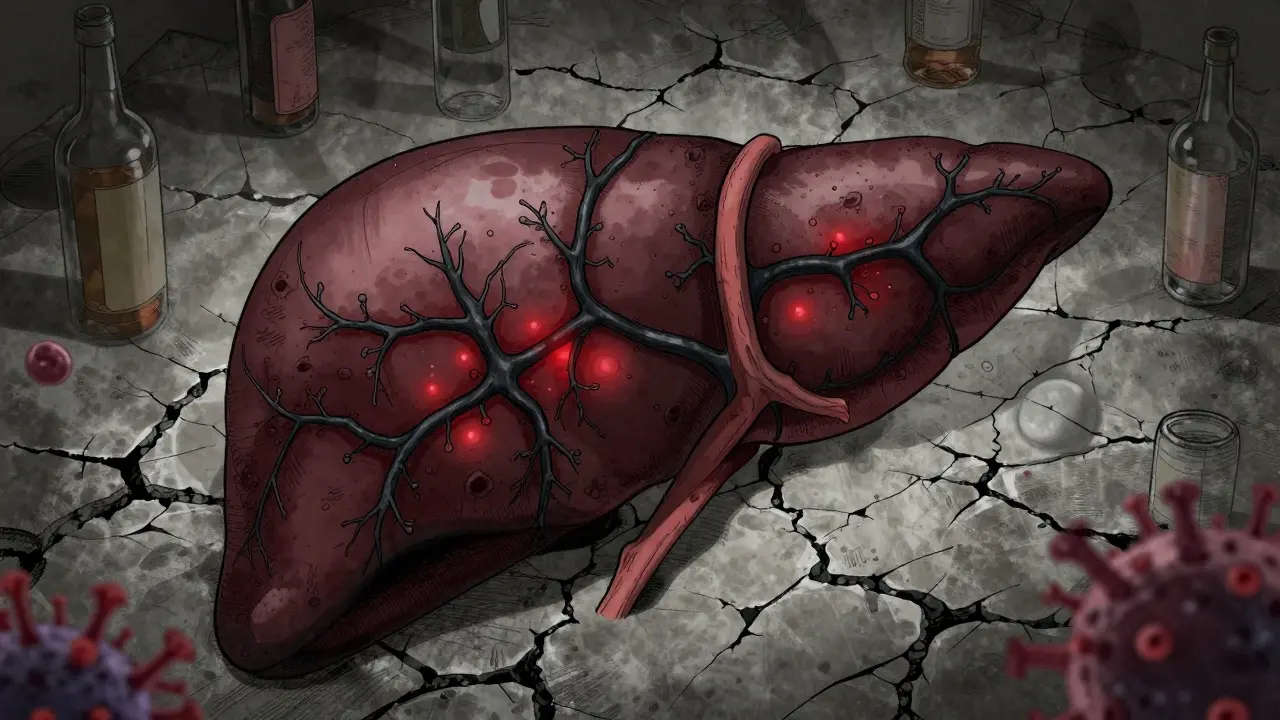
Cirrhosis: Understanding Liver Scarring, Failure Risk, and Transplantation
Cirrhosis is advanced liver scarring that can lead to liver failure. Learn how it develops, how it's staged, what causes it, and why a transplant may be the only cure. Early detection can still save your liver.

Paragraph IV Certifications: How Generic Drug Makers Legally Challenge Brand-Name Patents
Paragraph IV certifications let generic drug makers legally challenge brand-name patents before launch. This Hatch-Waxman Act tool drives down drug prices by enabling early generic entry - if the challenger wins, they get 180 days of exclusive sales.
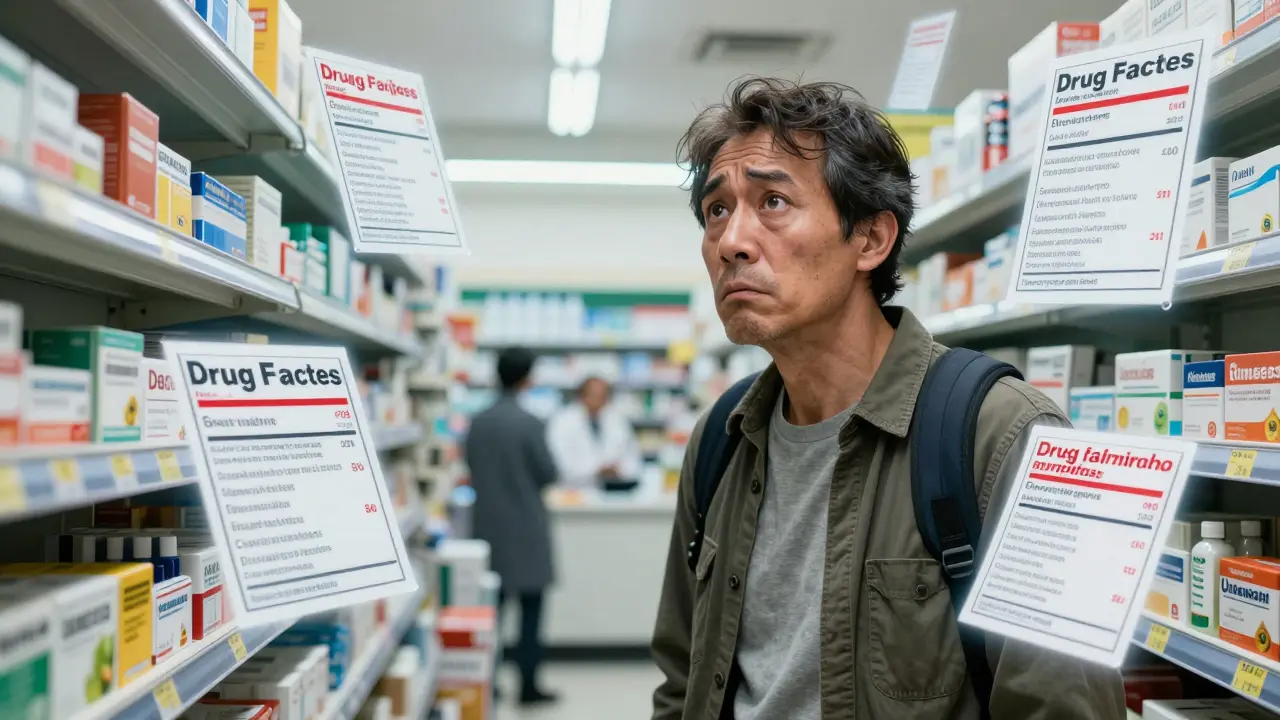
Best Practices for Choosing Safe OTC Medications at the Pharmacy
Learn how to safely choose over-the-counter medications at the pharmacy by reading labels, avoiding dangerous ingredient combinations, and talking to your pharmacist. Essential tips for adults and seniors.