
Category: Medications - Page 2

Signs You’re Misusing Over-the-Counter Drugs and What to Do
Misusing over-the-counter drugs like cough syrup or Imodium can lead to serious health risks, addiction, and brain damage. Learn the physical, behavioral, and psychological signs you're taking too much - and what steps to take right now.

GLP-1 Receptor Agonists: Managing Nausea and GI Side Effects
GLP-1 receptor agonists like Ozempic and Wegovy help with weight loss and blood sugar control - but nausea and GI side effects are common. Learn why they happen, how long they last, and what actually helps manage them.

Steroid Tapering: How to Avoid Withdrawal and Disease Rebound
Steroid tapering is essential to avoid adrenal crisis and disease flare-ups. Learn how to safely reduce prednisone with step-by-step protocols, symptom management tips, and what your doctor should tell you.
Medicare Part D Substitution: What You Can and Can't Swap Under Current Rules
Medicare Part D substitution rules determine whether you can swap one drug for another. Learn how formularies, tiers, and the $2,000 out-of-pocket cap affect your prescriptions - and what you can do to protect your coverage.
How to Create a Medication Schedule That Minimizes Interactions
Learn how to create a medication schedule that reduces dangerous drug interactions using the Universal Medication Schedule (UMS), pill organizers, and smart timing. A practical guide for anyone taking five or more medications.
How to Read Prescription Labels for Inhalers, Patches, and Injectables
Learn how to read prescription labels for inhalers, patches, and injectables to avoid dangerous mistakes. Understand dosage, concentration, storage, and administration tips backed by real data and safety guidelines.
Biosimilars vs Generics: Key Differences Explained
Biosimilars and generics both lower drug costs, but they're fundamentally different. Biosimilars are complex biologic copies with stricter rules, while generics are simple chemical duplicates. Understand how they compare in safety, cost, and use.
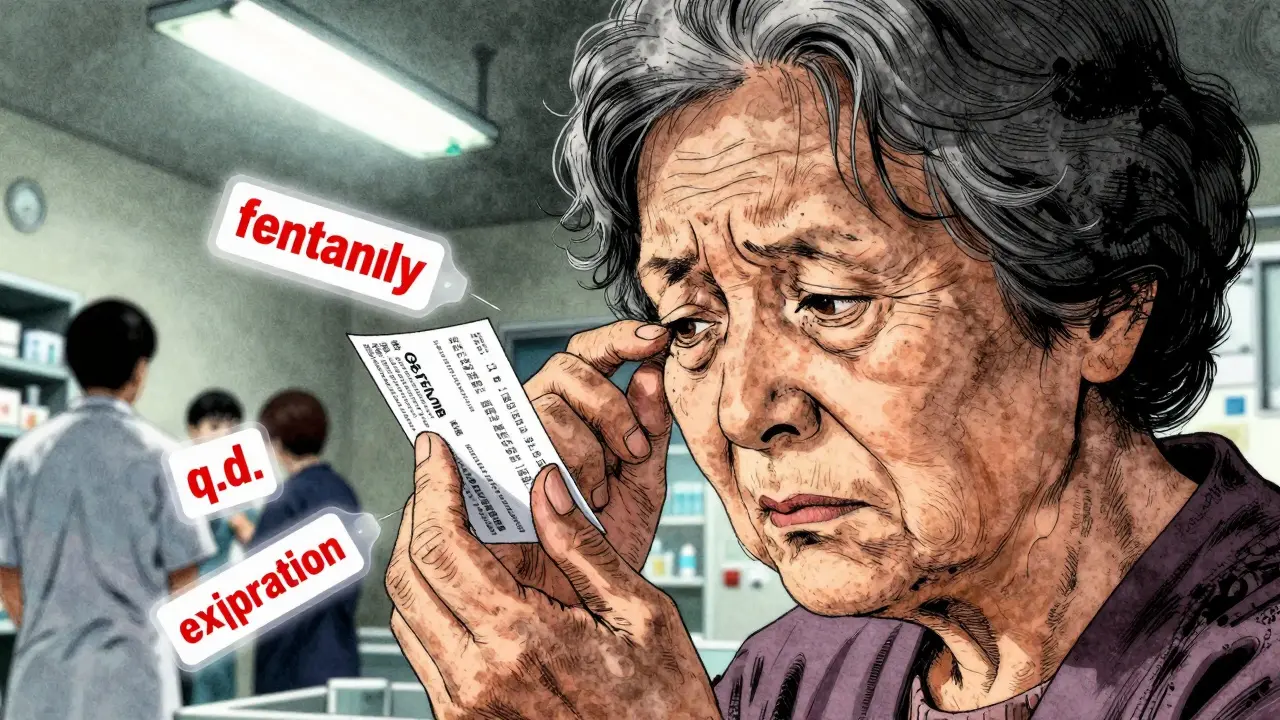
Understanding Drug Labels: A Complete Medication Label Breakdown
Learn how to read prescription and over-the-counter drug labels to avoid dangerous medication errors. Understand active ingredients, dosage, warnings, and what's missing from most labels.

Nosebleeds Linked to Medications: Common Causes and How to Prevent Them
Nosebleeds can be a side effect of common medications like aspirin, ibuprofen, and blood thinners. Learn why they happen, which drugs are most likely to cause them, and how to prevent them without stopping essential treatments.
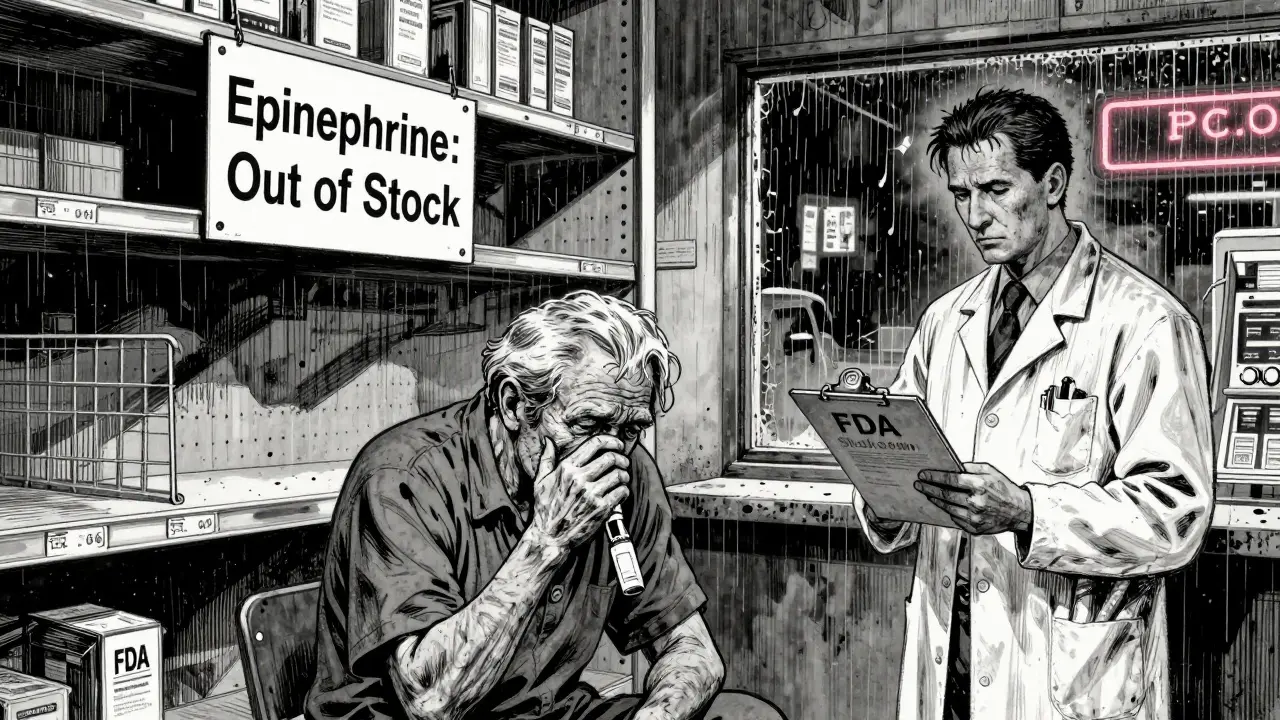
Generic Drug Shortages: When Too Much Competition Hurts Supply
Generic drugs save billions, but too much competition is causing dangerous shortages. When prices drop too low, manufacturers quit - leaving patients without life-saving meds.