
Category: Medications - Page 5
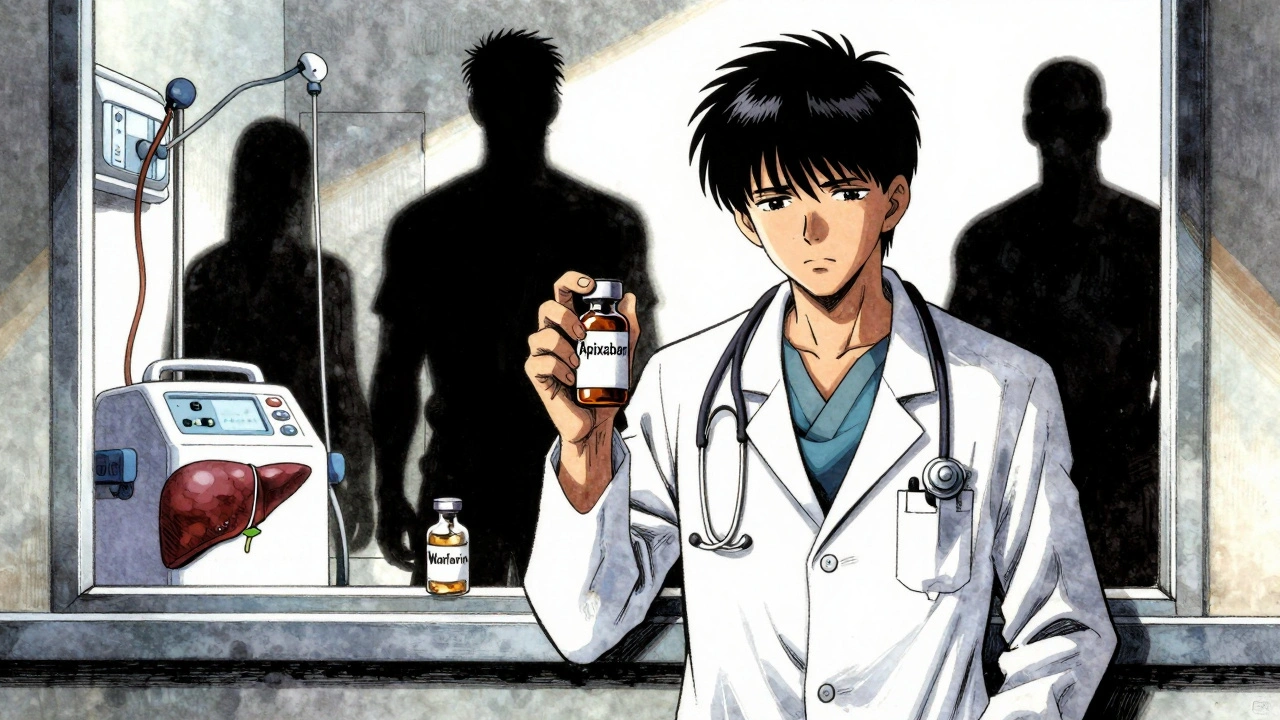
Anticoagulation in Kidney and Liver Disease: What Doctors Really Do
Managing blood thinners in kidney and liver disease is complex. Apixaban may be safest in advanced kidney disease, but DOACs are risky in cirrhosis. INR is unreliable. Real-world data shows gaps in guidelines. Here's what doctors actually do.

Recent Patent Cases and Generic Delays: 2023-2025 Examples
Despite FDA approval, generic drugs in the U.S. face average delays of 3.2 years before reaching patients due to patent litigation. From 2023 to 2025, brand-name companies used patent thickets to extend monopolies, costing Medicare billions and leaving patients without affordable options.
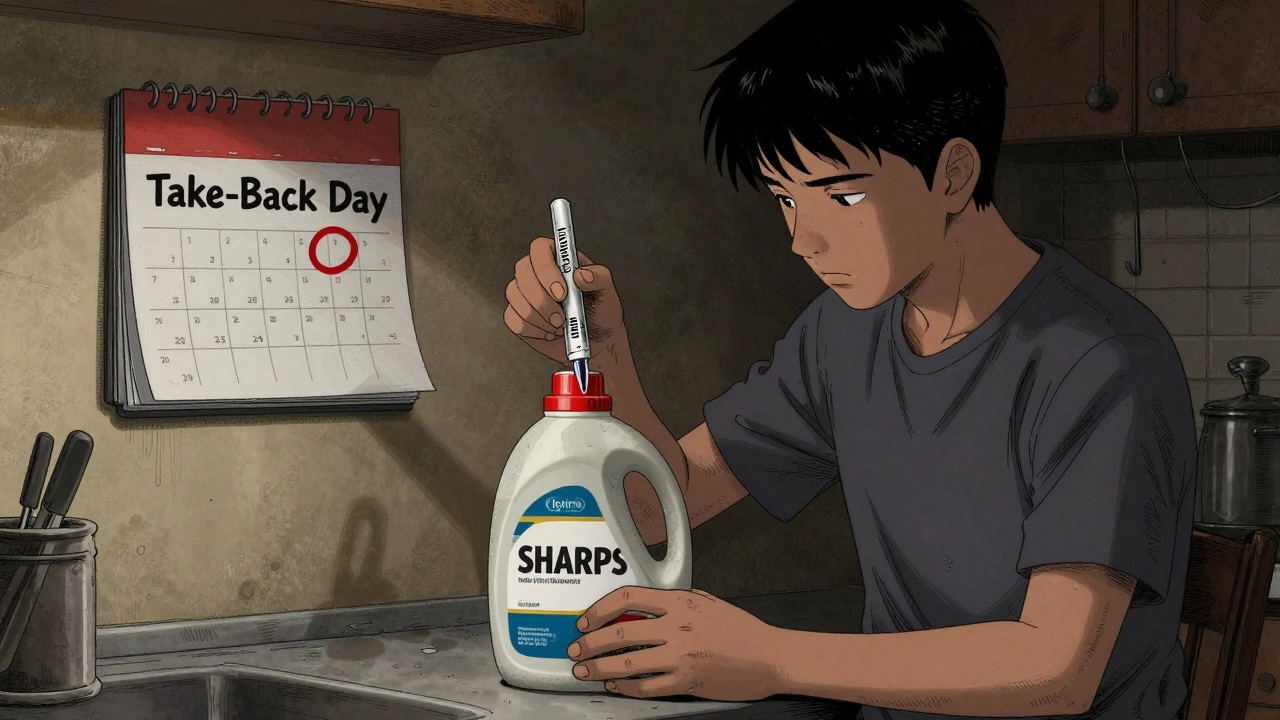
How to Safely Dispose of Expired EpiPens, Inhalers, and Patches
Learn how to safely dispose of expired EpiPens, inhalers, and medicated patches to protect your family, pets, and the environment. Follow FDA, DEA, and EPA guidelines for sharps, aerosols, and transdermal patches.
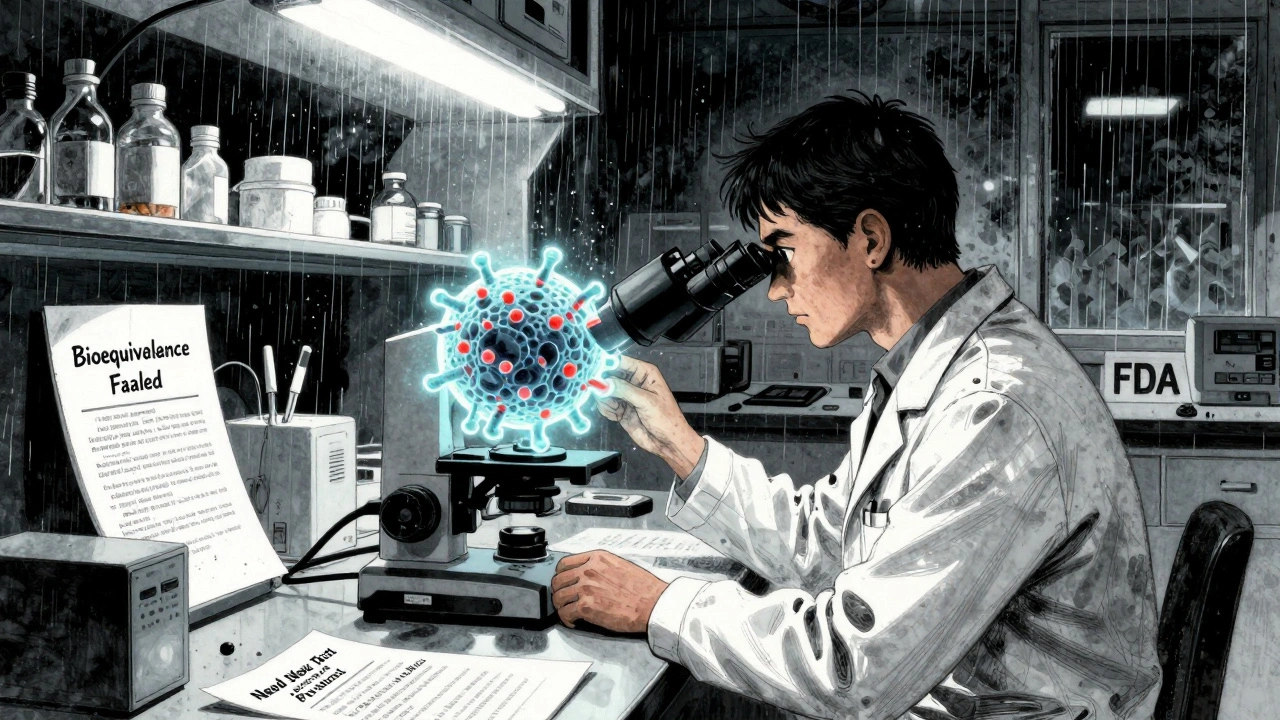
Complex Generic Drugs: Why Some Products Are Harder to Approve
Complex generic drugs face unique scientific and regulatory hurdles that make approval far harder than for simple generics. Despite high patient need, few reach the market due to cost, complexity, and unclear FDA expectations.
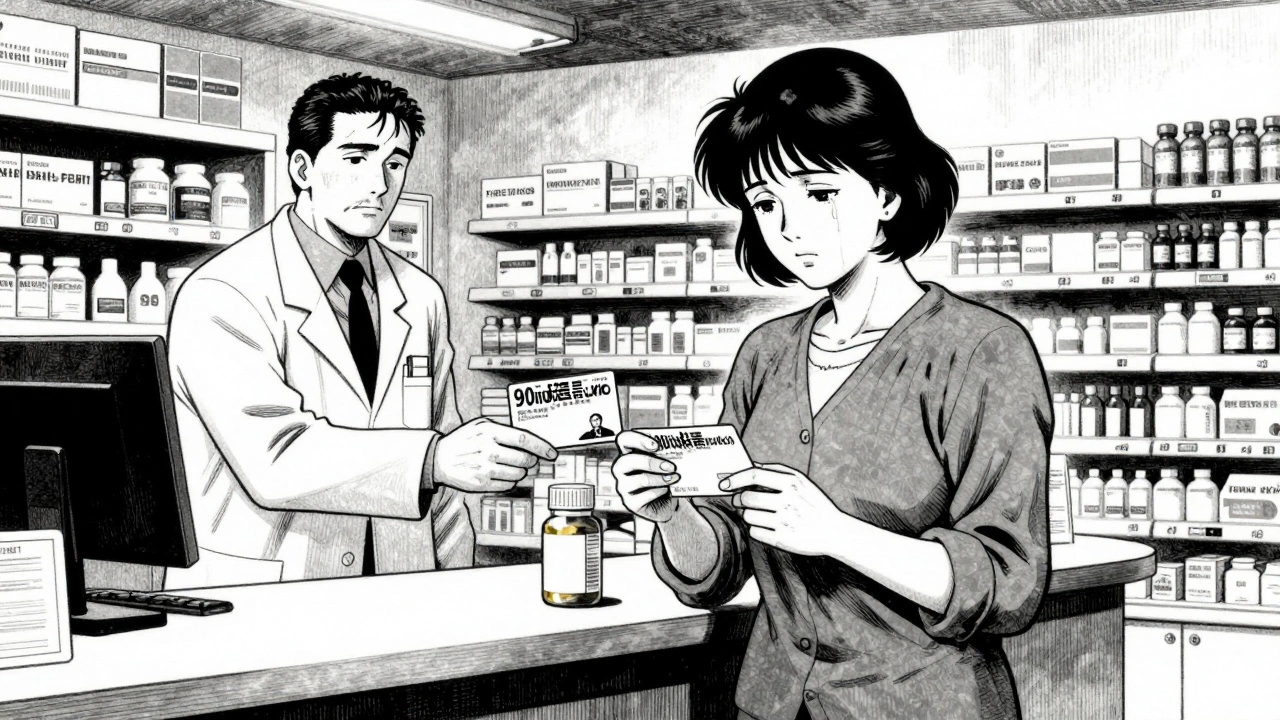
Prescription Assistance Programs: How Drug Makers Help You Pay for Medications
Prescription assistance programs from drug manufacturers help millions pay for expensive medications. Learn how copay cards and PAPs work, who qualifies, and how to apply-without insurance or with Medicare.
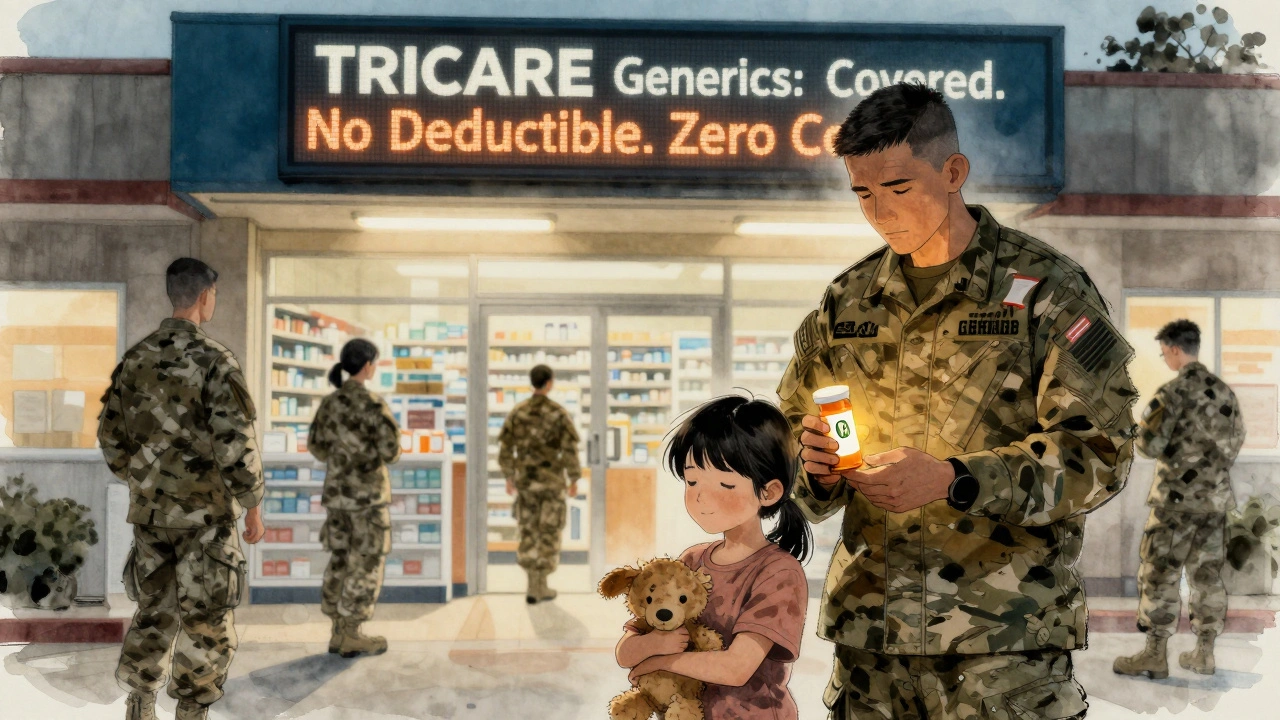
TRICARE Coverage for Generics: What Military Families Need to Know in 2025
TRICARE covers 92% of prescriptions as generics, with $0 copays at military pharmacies and $13-$16 elsewhere. Learn how to check coverage, avoid surprise costs, and maximize savings in 2025.
Medical Society Guidelines on Generic Drug Use: What Doctors Really Think
Medical societies have clear but differing positions on generic drug substitution. While most generics are safe, experts warn against switching for drugs with narrow therapeutic indices like seizure medications. Learn why doctors make these calls and what you should know.

FDA Black Box Warnings: What You Need to Know About the Most Serious Drug Alerts
Black box warnings are the FDA's strongest safety alerts for prescription drugs, signaling life-threatening risks. Learn what they mean, which common medications carry them, and how to use them to make safer choices.

Hand and Foot Swelling from Medications: When to Contact Your Doctor
Hand and foot swelling from medications is common but can signal serious issues. Learn which drugs cause it, when to call your doctor, and how to manage it safely.
History of Generic Drugs in the United States: How Cheaper Medicines Took Over
Generic drugs now make up over 90% of U.S. prescriptions, saving trillions. Learn how the Hatch-Waxman Act, FDA regulations, and global supply chains shaped today’s affordable medicine system.